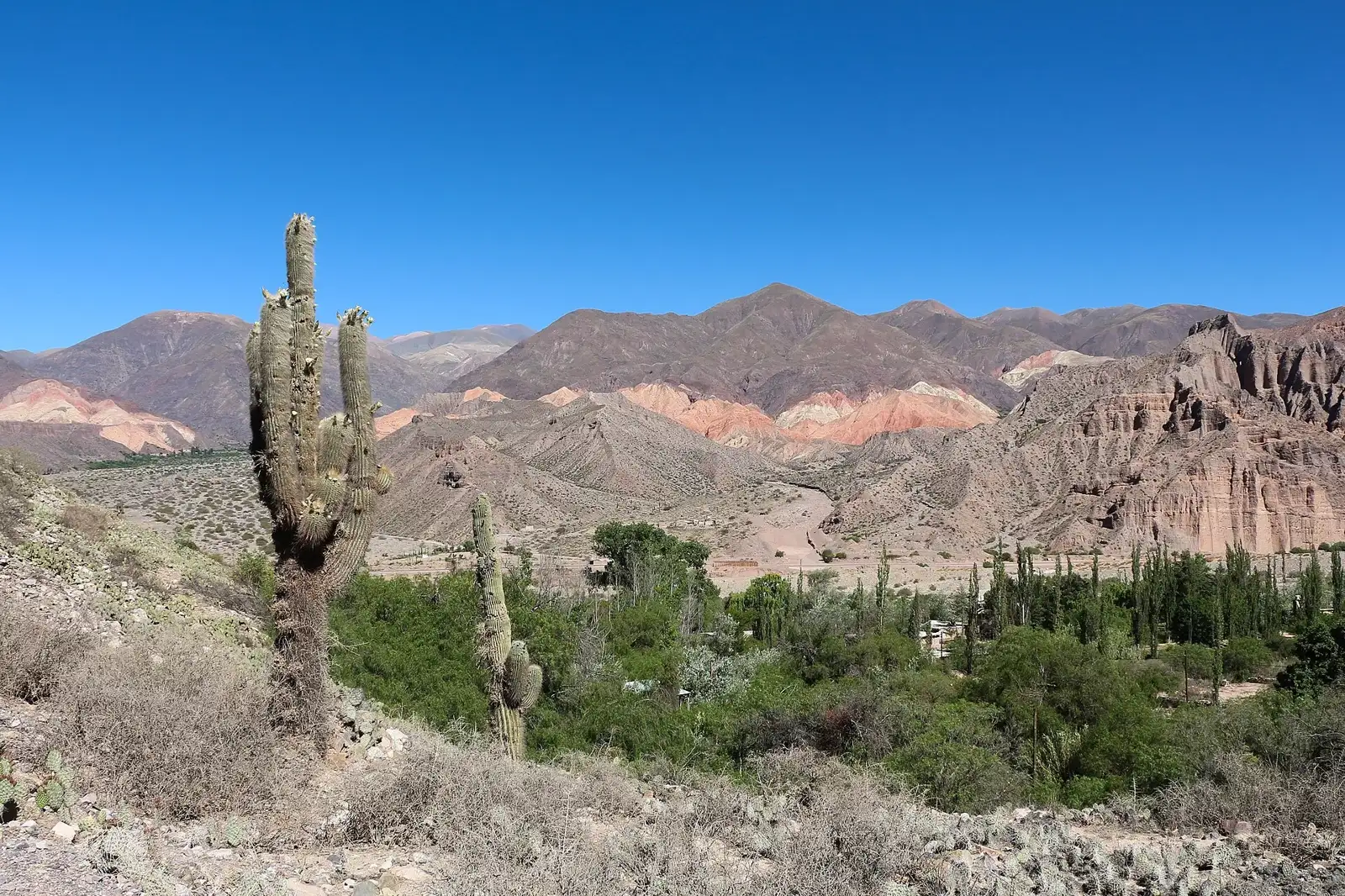
SEE
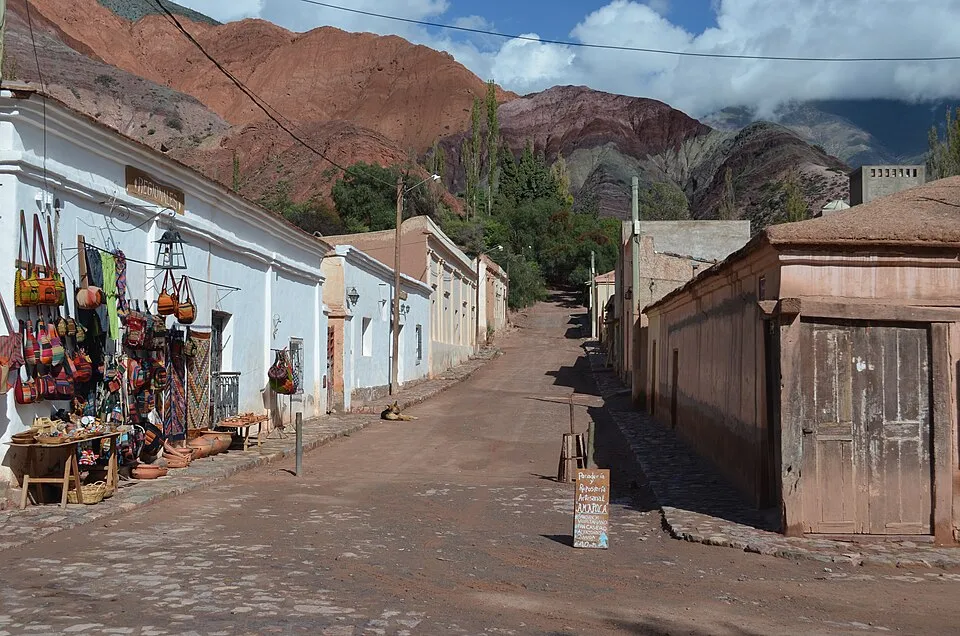
Purmamarca & the Cerro de los Siete Colores
the seven-colored hill looms directly over the village, free to see from the mirador path; go early before the light flattens and the buses arrive.
Argentina's high-desert northwest: a canyon full of painted mountains, salt flats at 3,500 metres, and a city that turned folk music into a nightly institution. It runs on the opposite calendar to Patagonia — July is the sweet spot here — and everything below was checked this month. Fly in from Buenos Aires (about 2h15), rent a car or book excursions, and give it three or four days.
The Quebrada runs north from Jujuy like a 155-kilometre gallery; the salt flats and the Hornocal are separate high-altitude excursions off it. Distances are short, but the altitude makes days feel longer — plan two sights a day, not four.
UNESCO SINCE 2003 · RN9 NORTH FROM JUJUY
the seven-colored hill looms directly over the village, free to see from the mirador path; go early before the light flattens and the buses arrive.
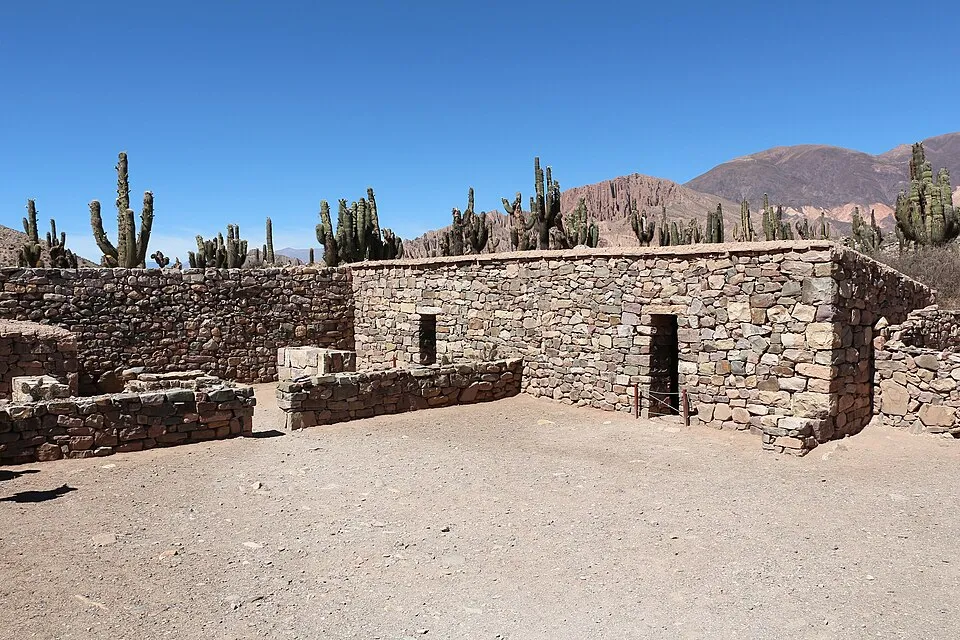
a rebuilt pre-Inca hilltop fortress above Tilcara with cactus-framed views down the valley. ARS 12,000 (mid-2026), closed Mondays.
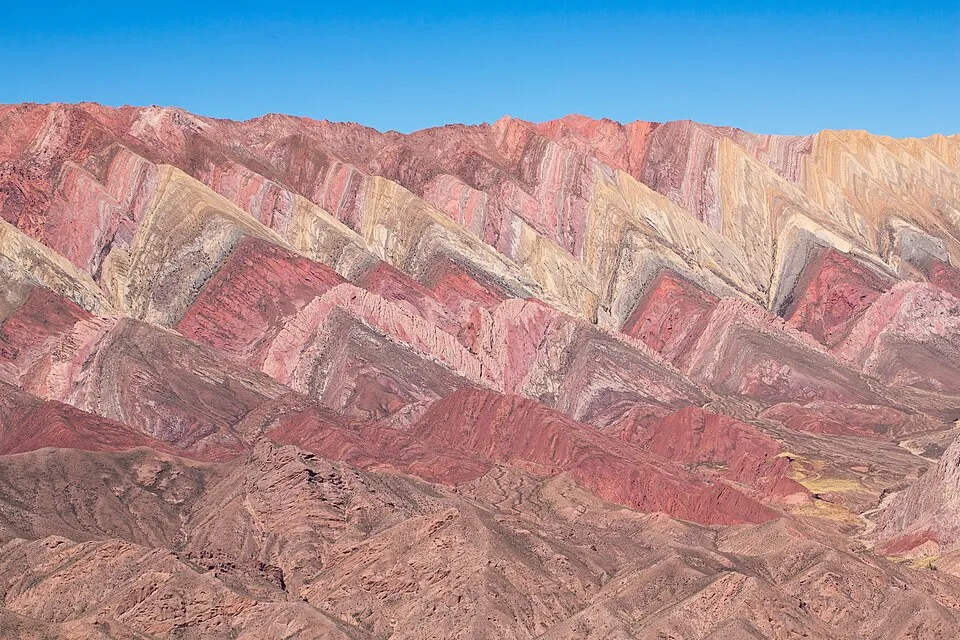
the fourteen-colored mountain, up a 25-kilometre unpaved climb from Humahuaca town to a ~4,300 m viewpoint (small local fee). Go mid-afternoon for the deepest colors, and take the altitude seriously up there.
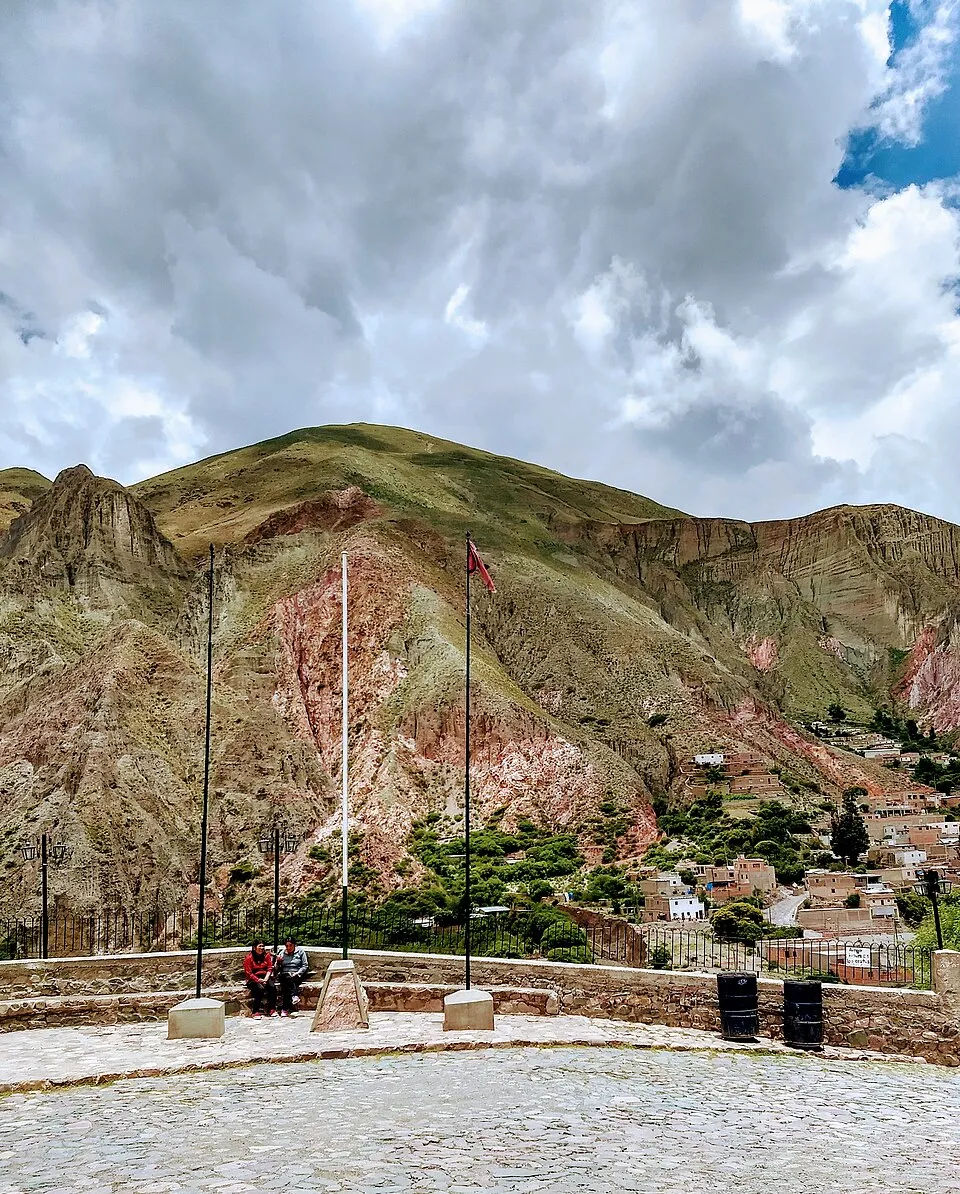
The village at the end of the road — literally: 2,780 metres up, over a 4,000-metre gravel pass, hanging off a cliff beyond Humahuaca. The northwest's great detour.
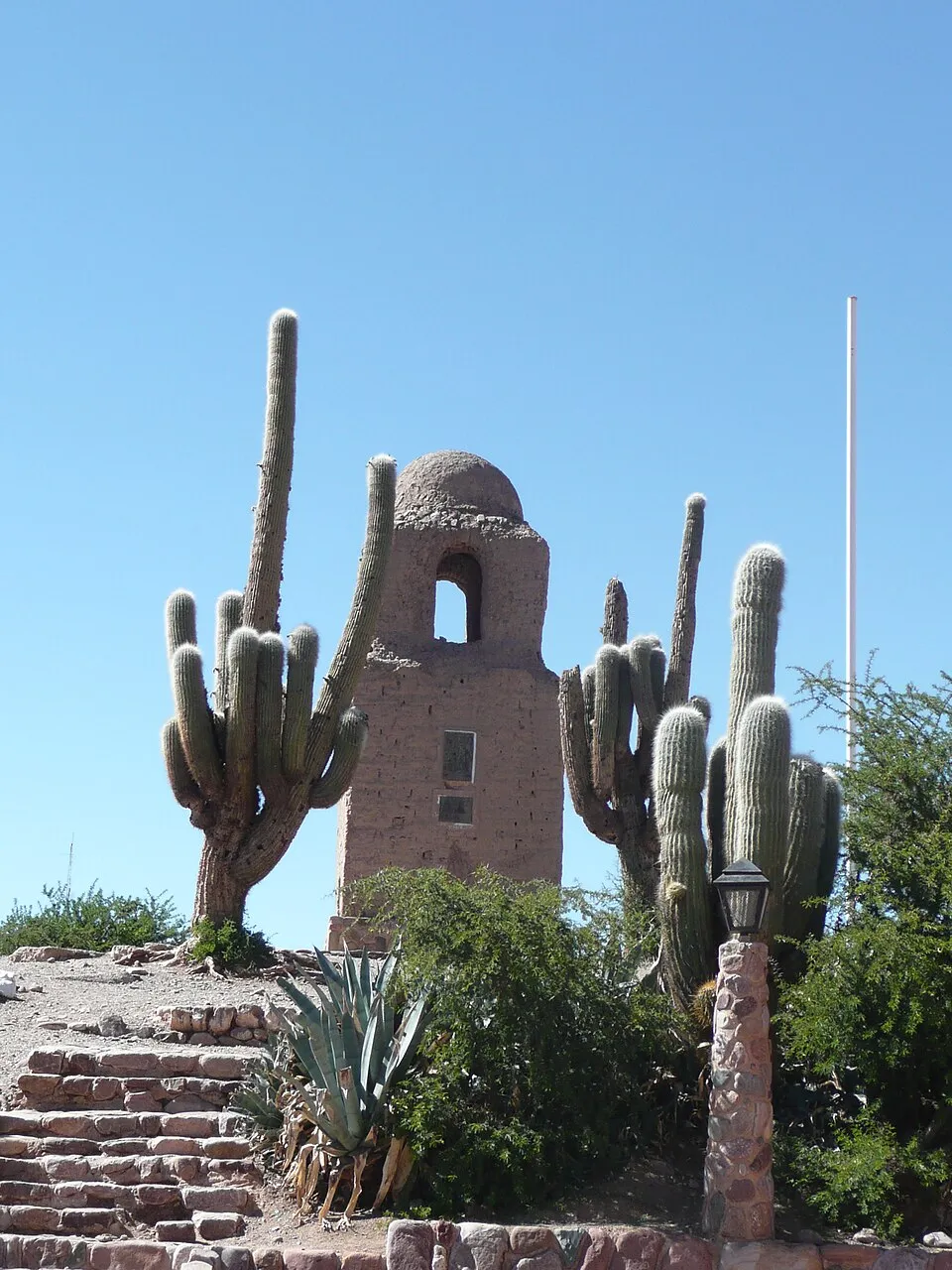
The Quebrada's northern anchor town: cobbled lanes, the Independence monument crowning its 103-step staircase, and the turnoff to the Hornocal.
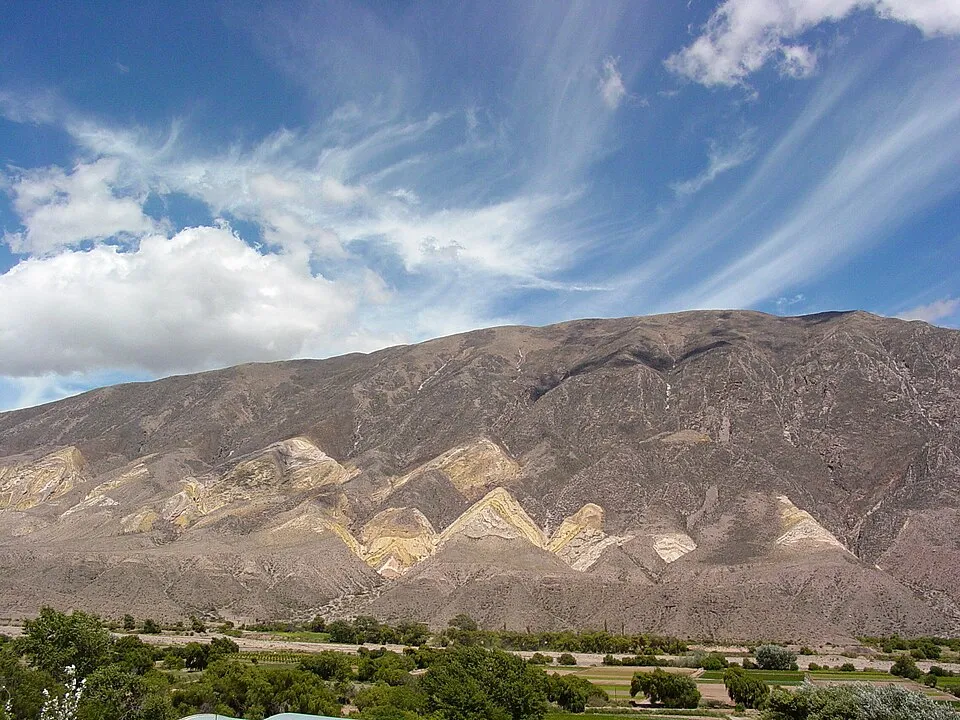
The painter's palette — a polychrome hillside rising straight behind the village vineyards, free from the roadside miradores. Afternoon light is the show.
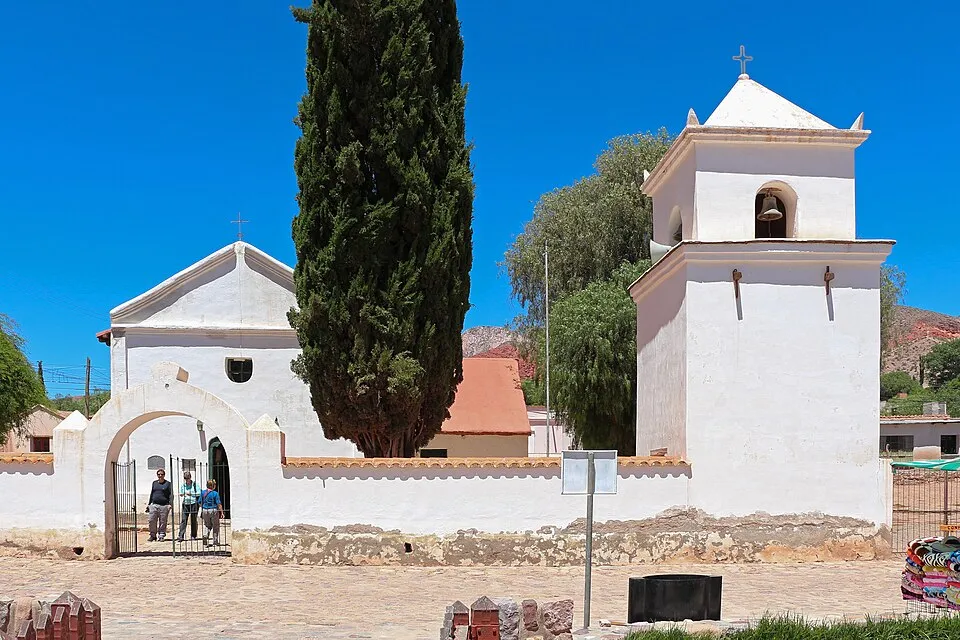
A 1691 adobe church holding the ángeles arcabuceros — Cuzco-school angels in lace cuffs carrying muskets, one of only three such series in the Southern Cone.
3,500 M+ · PICK ONE PER DAY
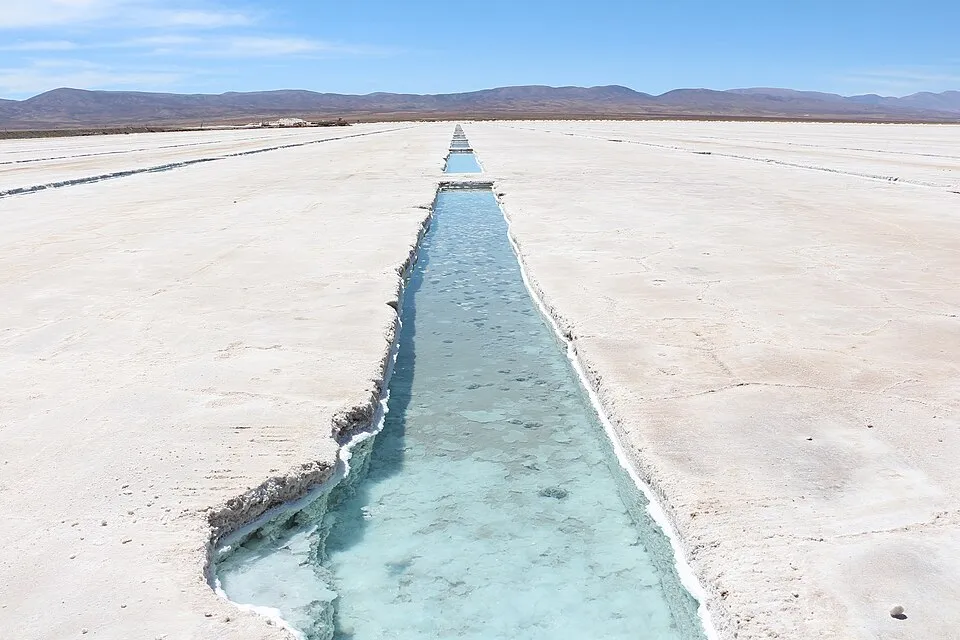
a blinding white salt flat at ~3,450 m, reached over the Cuesta de Lipán switchbacks from Purmamarca. Entry works through the local communities: you hire one of their guides at the parador, and the fee is quoted on arrival — that's the system, not a scam.
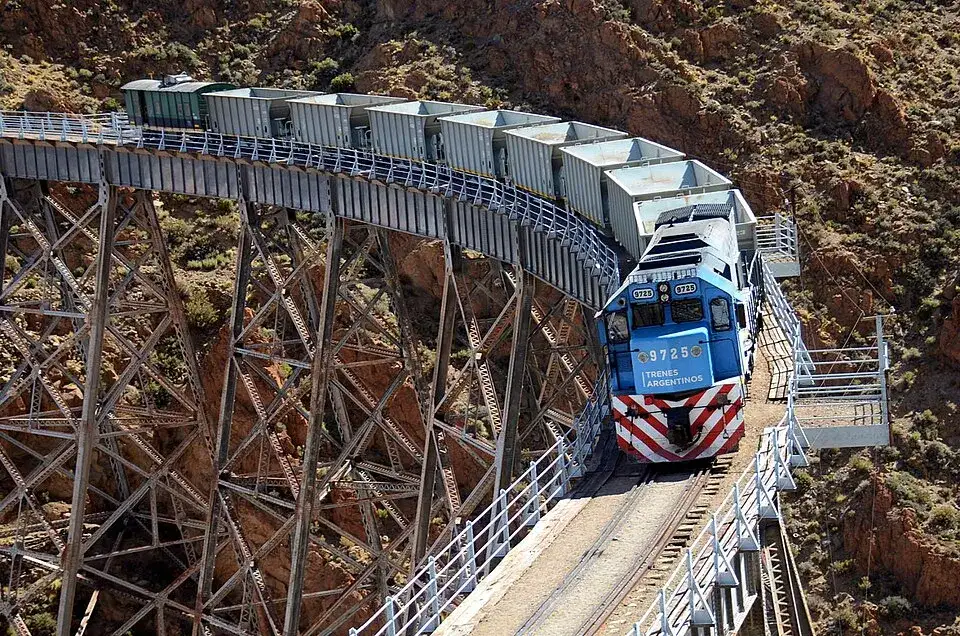
the Train to the Clouds runs winter 2026 on Tuesdays, Thursdays and Saturdays: bus from Salta along the Quebrada del Toro, then the train segment to the La Polvorilla viaduct at 4,200 m. Book ahead; prices are dynamic, so check the official site.
1,200 M · THE BASE CAMP
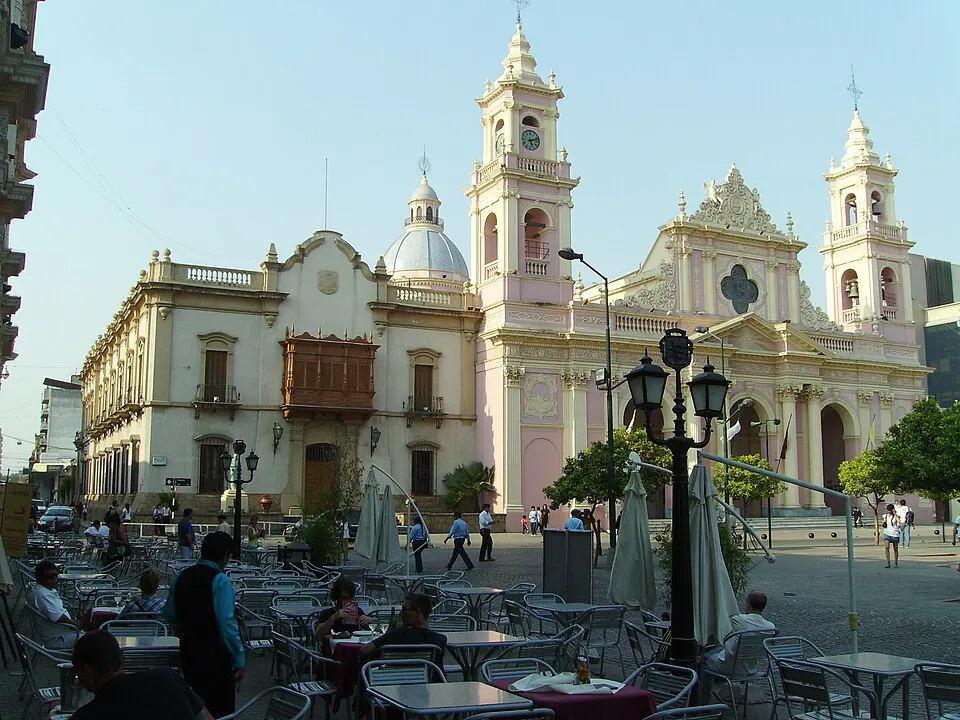
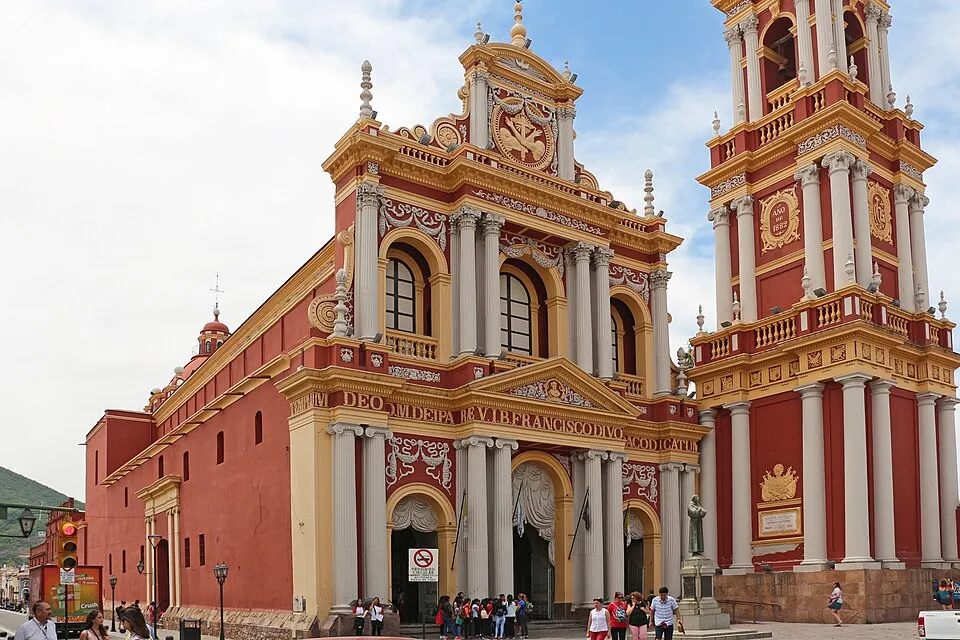
Plaza 9 de Julio, the pink San Francisco church, and the MAAM museum's high-altitude archaeology. Walkable in an afternoon before the peñas open.
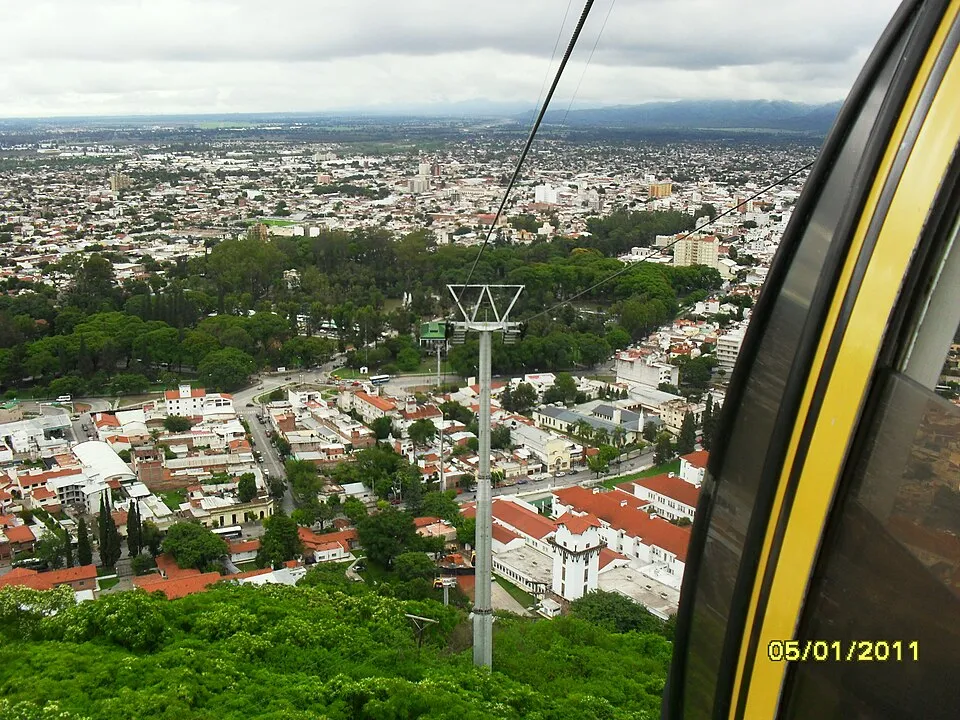
The cable car from Parque San Martín to the Cerro San Bernardo summit — ten minutes up, the whole Lerma valley below, daily until seven.
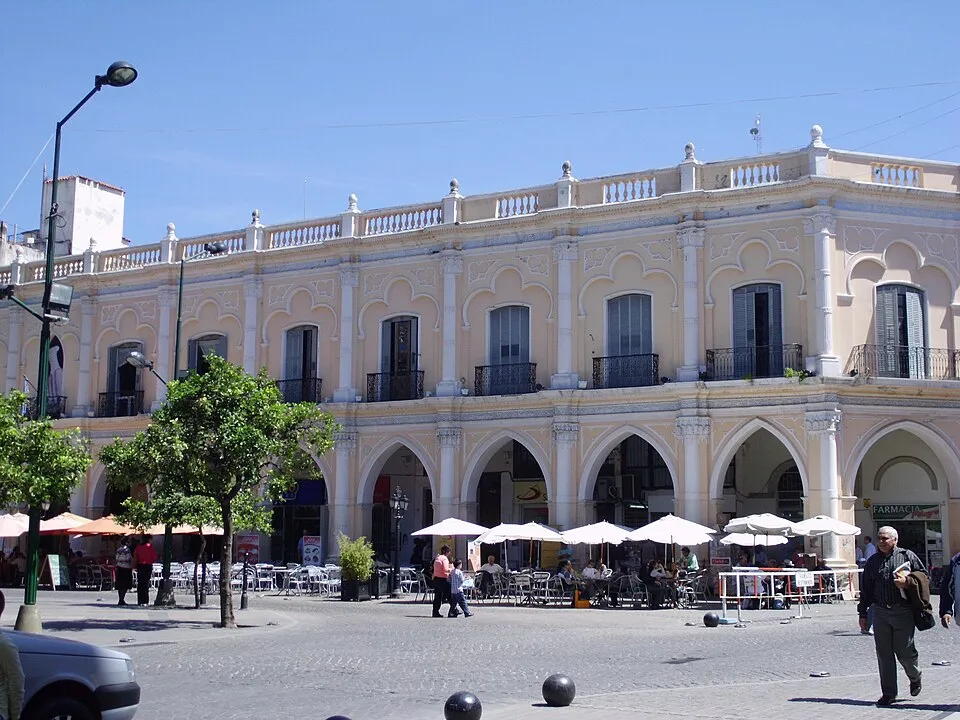
The high-altitude archaeology museum on the main square, home of the Llullaillaco children — exhibited one at a time, and one of the most affecting rooms in South America. Closed Mondays.
RN68 SOUTH TO CAFAYATE · RP33 TO CACHI · WINE AT ALTITUDE
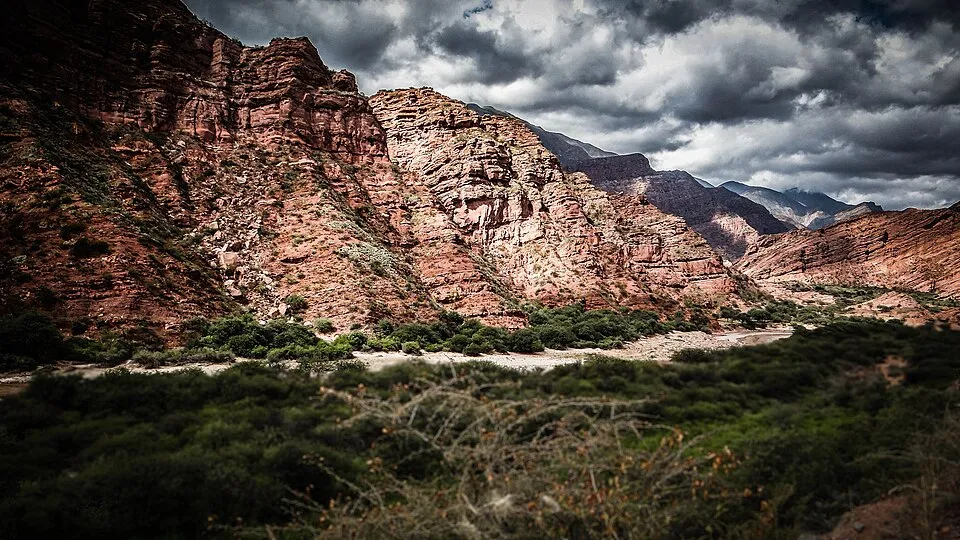
Red-rock theatre along RN68 south of Salta — the Garganta del Diablo and Anfiteatro formations are free roadside stops with walls twenty metres high.
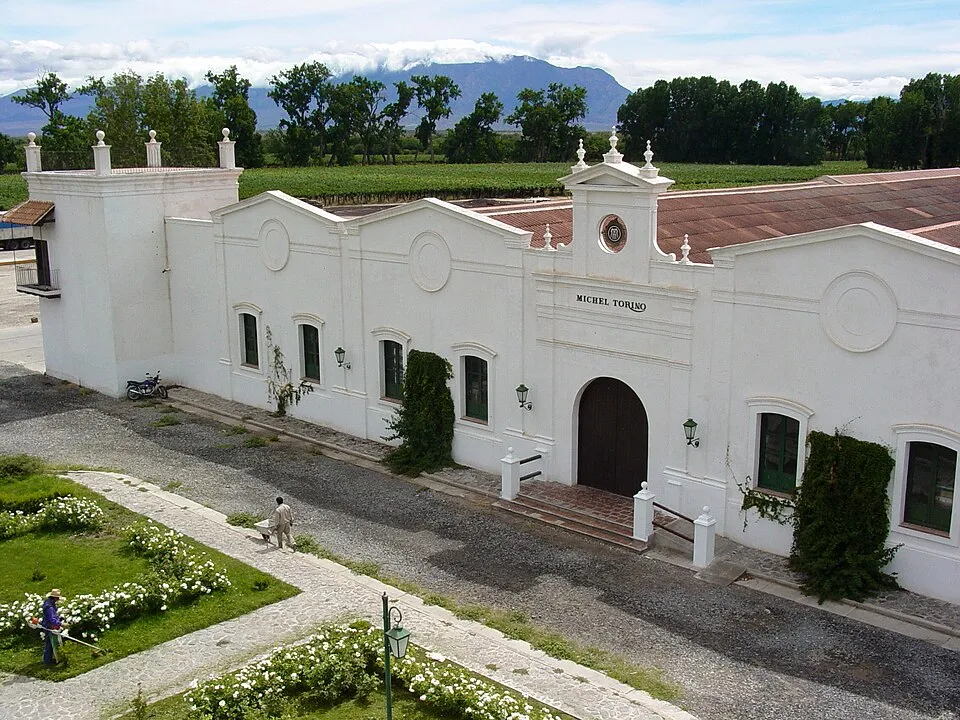
High-altitude wine at the source — vineyards at 1,700 to 2,000 metres, tastings at the colonial-style estate, vertical flights on Fridays with booking.
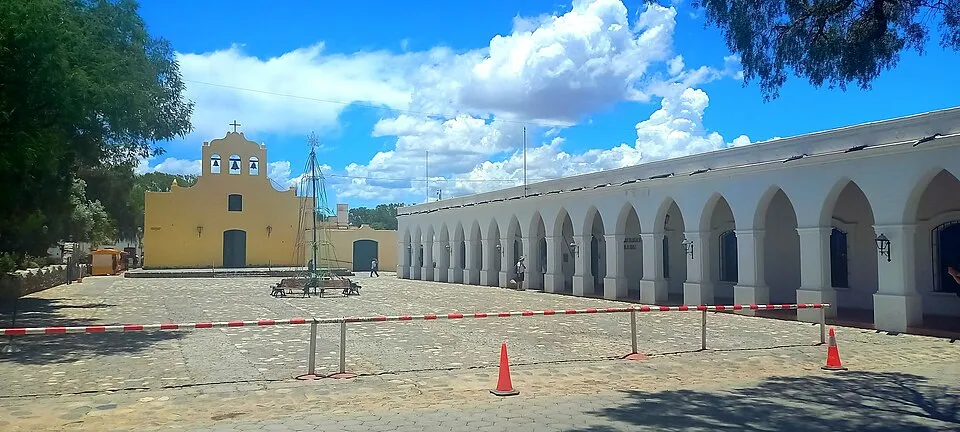
A white adobe village at 2,280 metres in the Calchaquí valley, wrapped around a 1600s church that's a National Historic Monument.
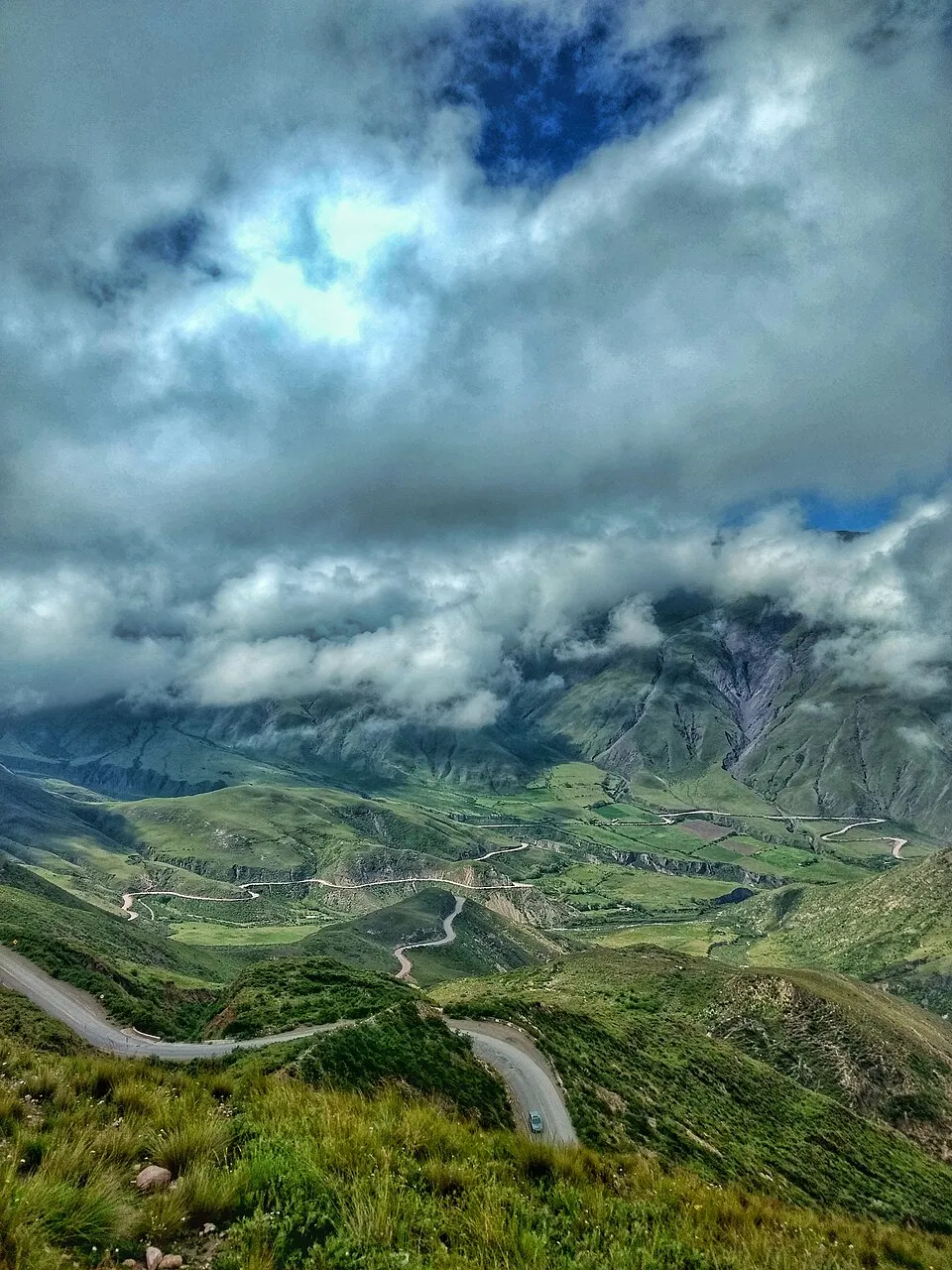
Twenty kilometres of switchbacks climbing to the Piedra del Molino pass at 3,348 metres — the drive to Cachi is the destination.
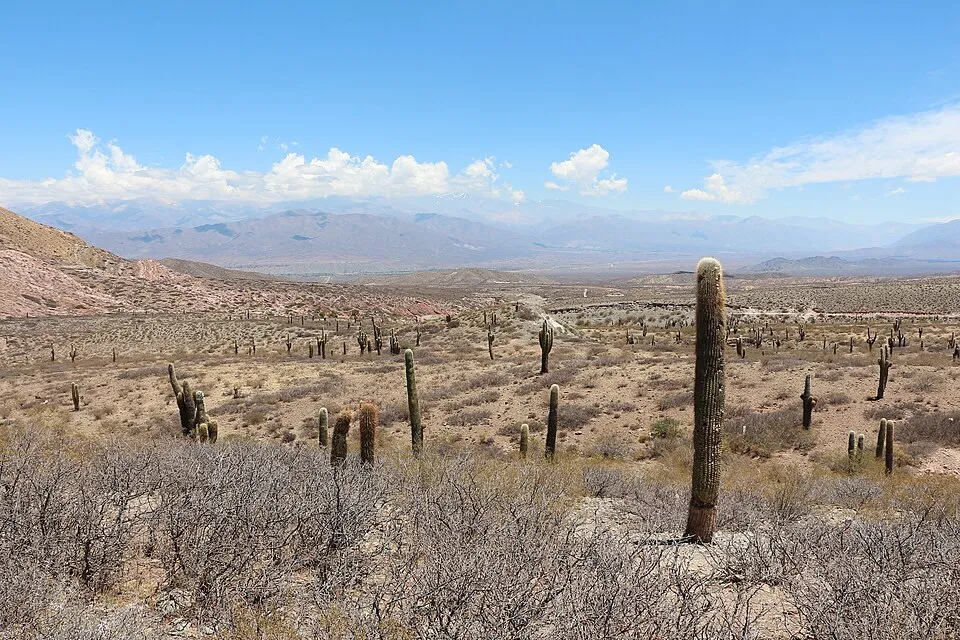
Sixty-four thousand hectares of candelabra cacti standing like an army across three ecoregions. Entry is free; the RP33 runs straight through it.
3,700 M+ · THE TRAIN-TO-THE-CLOUDS COUNTRY
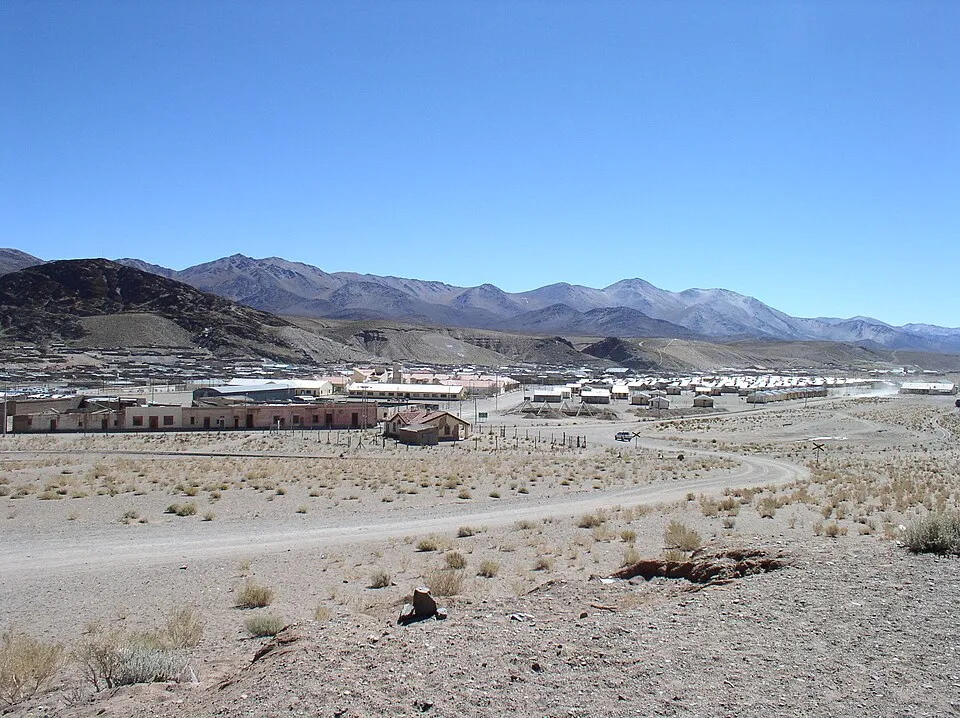
The puna town at 3,775 metres where the Tren a las Nubes meets the road — adobe streets, thin air, and the La Polvorilla viaduct twenty minutes on.
Two food cultures share this guide: Salta's empanada-and-peña tradition, and the Quebrada's Andean kitchens where llama and quinoa are the point, not a novelty. All checked and trading, July 2026.
The high-volume institution opposite the San Francisco church: salteña empanadas, locro, humita, tamales. No reservations, constant turnover, exactly what it should be.
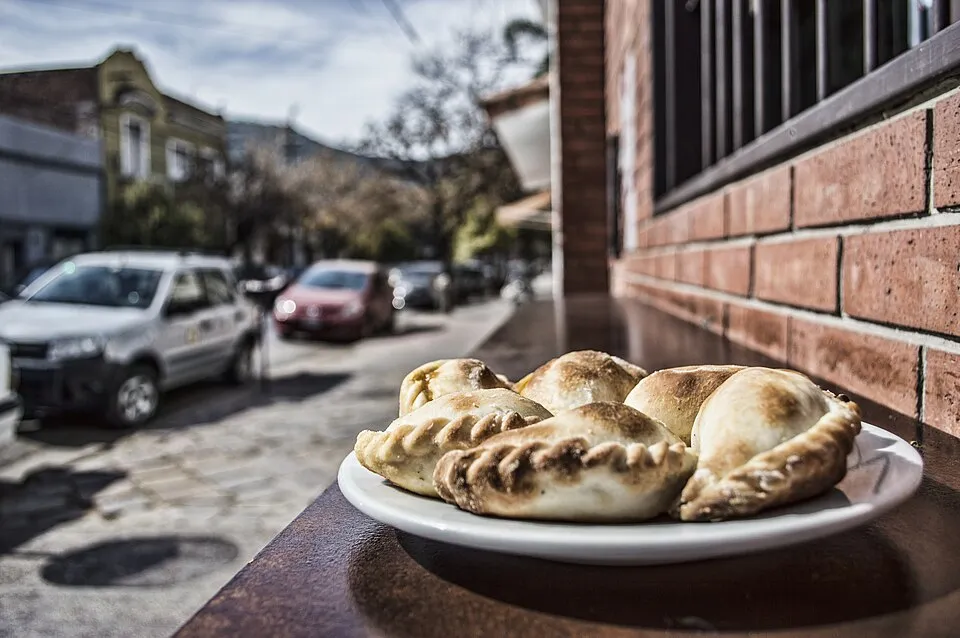
Old-school daytime spot the locals use for empanadas and locro rather than a dinner destination. Go at lunch, order by the dozen.
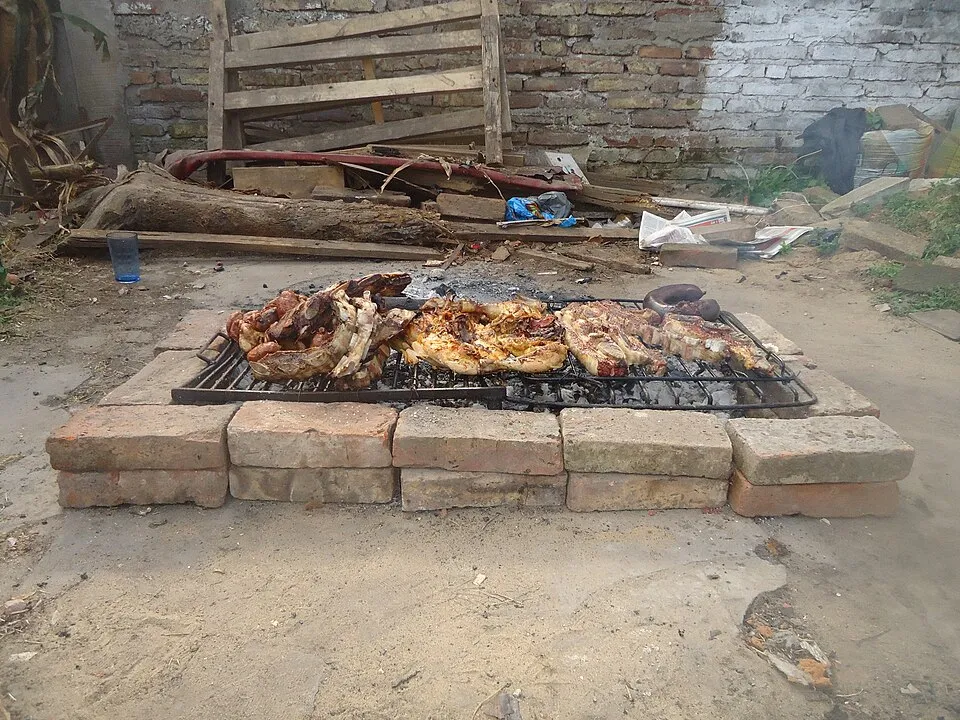
The straightforward central steakhouse for the night you want a parrillada instead of folklore. Lunch and dinner service.
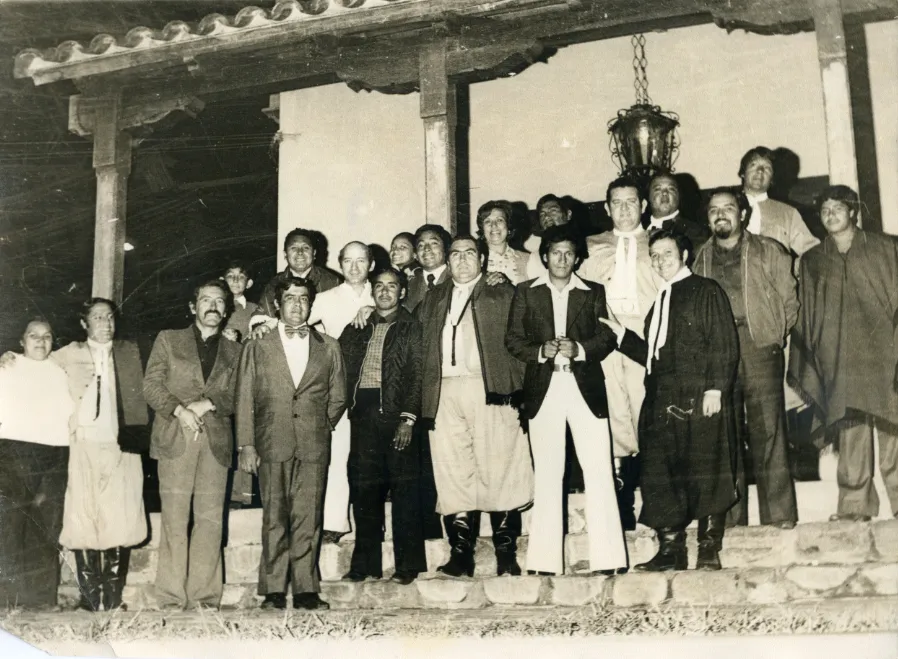
A sprawling colonial house where musicians drift room to room over empanadas and wine — no stage, no ticket, just the tradition running on its own momentum. Reserve by WhatsApp; it fills.
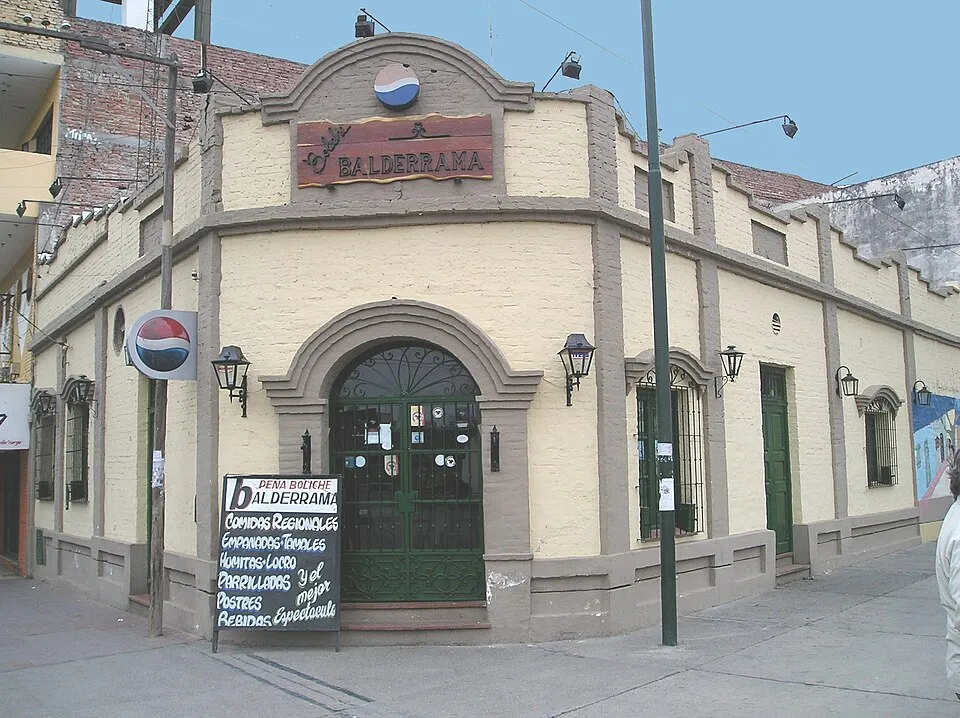
Running since the 1950s and sung about in the folklore canon itself: the ticketed dinner-show end of the peña spectrum. Touristy? Yes. Also the genuine article.
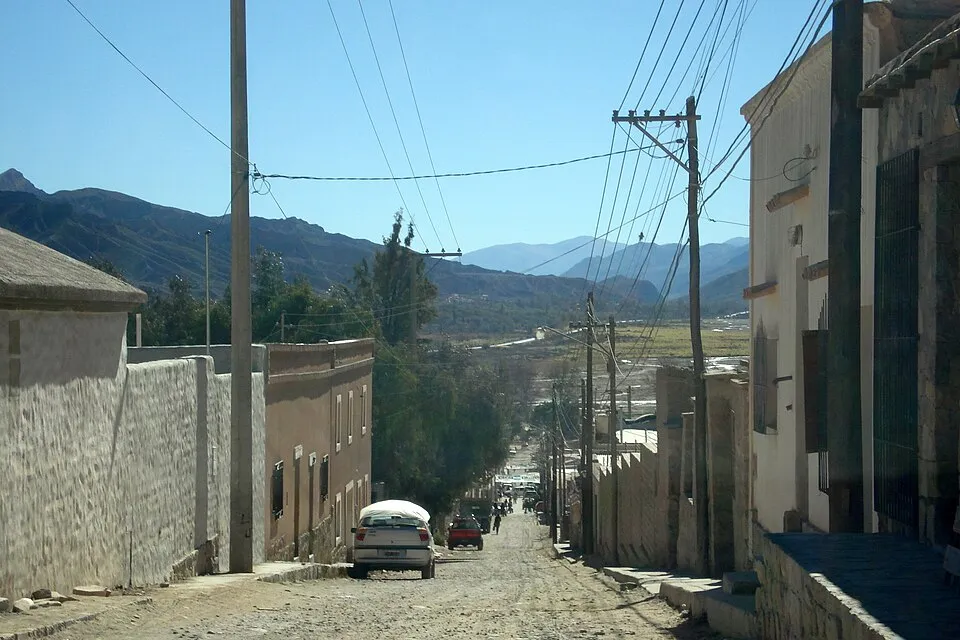
Llama braised in dark beer with papines, tamales, picadas — the Quebrada's produce cooked with intent. Dinner from 19:00, closed Sunday and Monday.
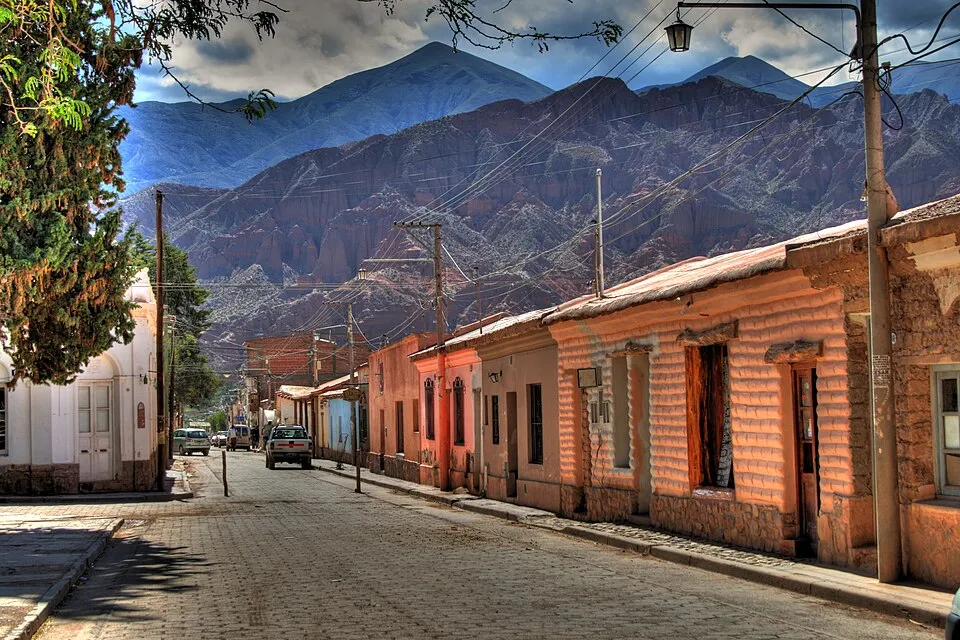
Florencia Rodríguez's art-filled dining room doing ancestral recipes as haute cuisine — llama carpaccio, lamb, humita. Dinner only, Monday to Saturday.
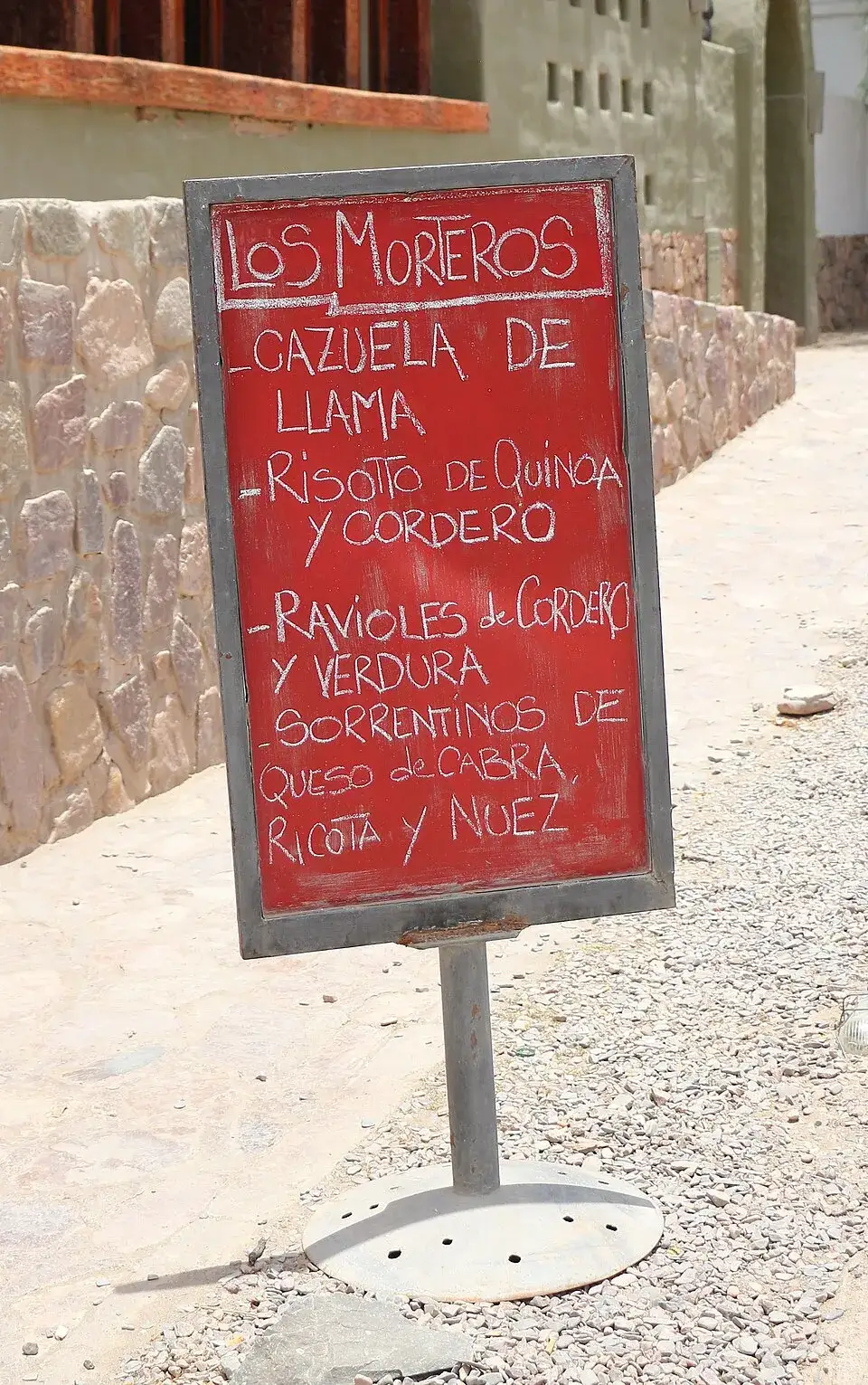
Purmamarca's polished table — locro, lamb, local wines — a short walk from the seven-colored hill. Closed Wednesdays.
Split the trip: nights in Salta city for the peñas, nights up the Quebrada for the mountains and the morning light. July is winter-holiday season — book ahead.
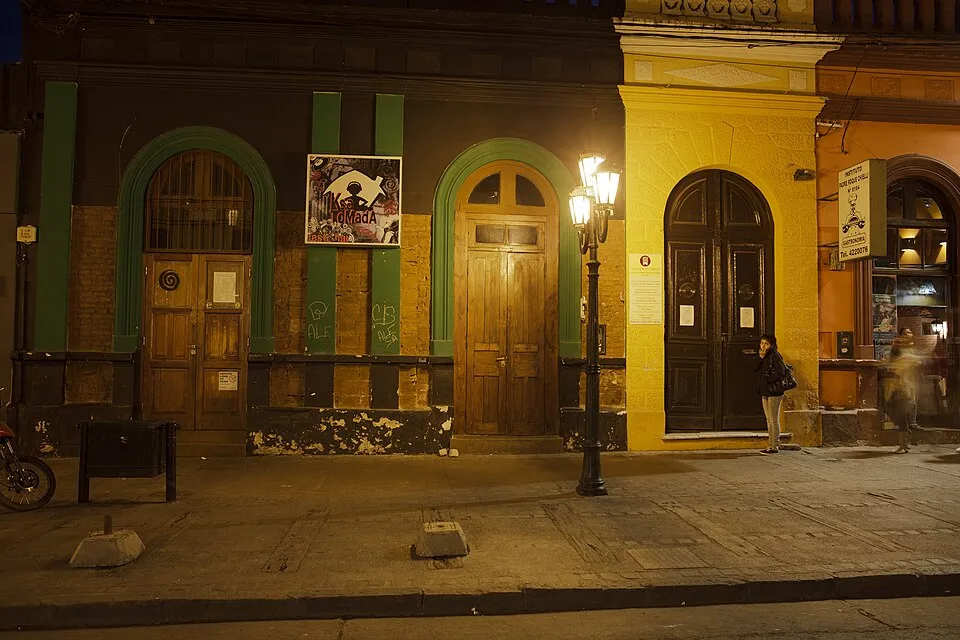
Each room themed on a figure from Salta's history, in a townhouse a few blocks from the plaza. The characterful end of the city's options.
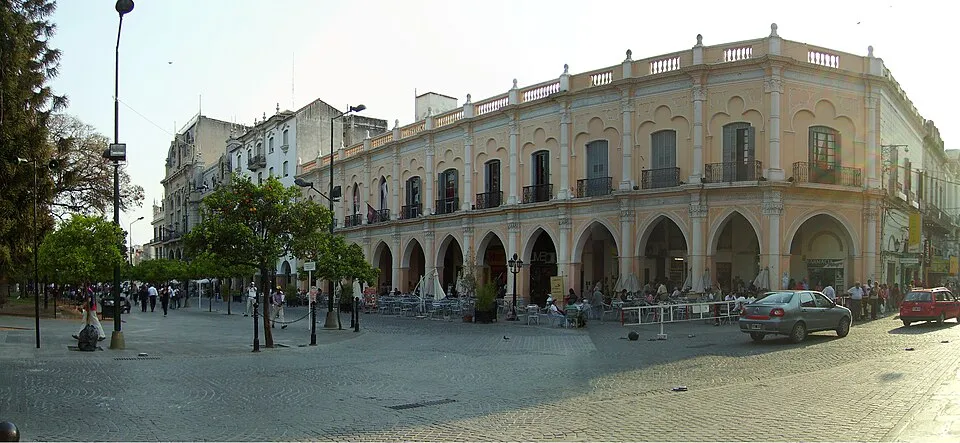
Nineteen rooms in a 1950s family mansion by Plaza Güemes, with a rooftop pool for the dry-season afternoons.
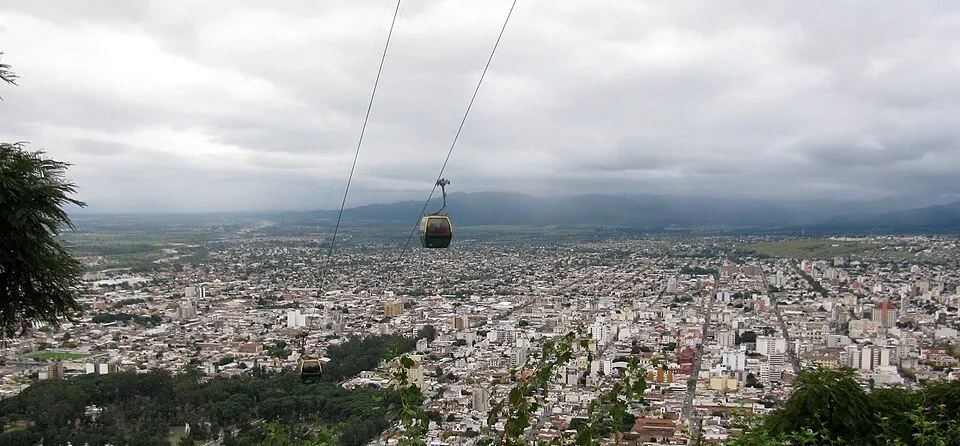
Family-run ten-roomer up in Tres Cerritos with the city at its feet — the quiet option, a short drive from the center.
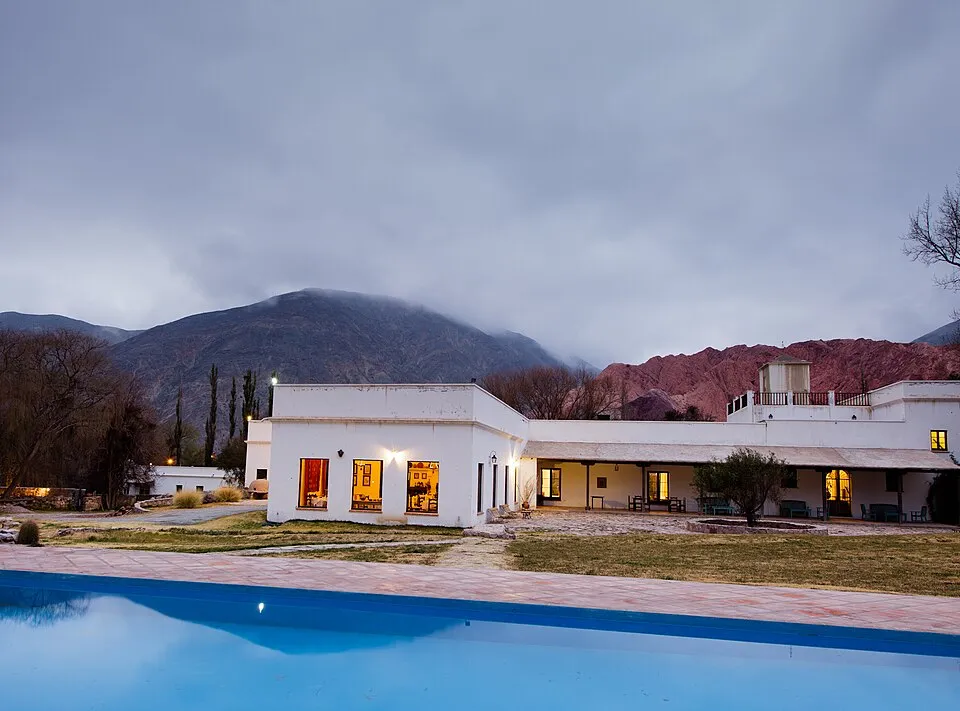
Colonial-style rooms, a spa, and the Cerro de los Siete Colores filling the windows. The Quebrada's classic splurge.
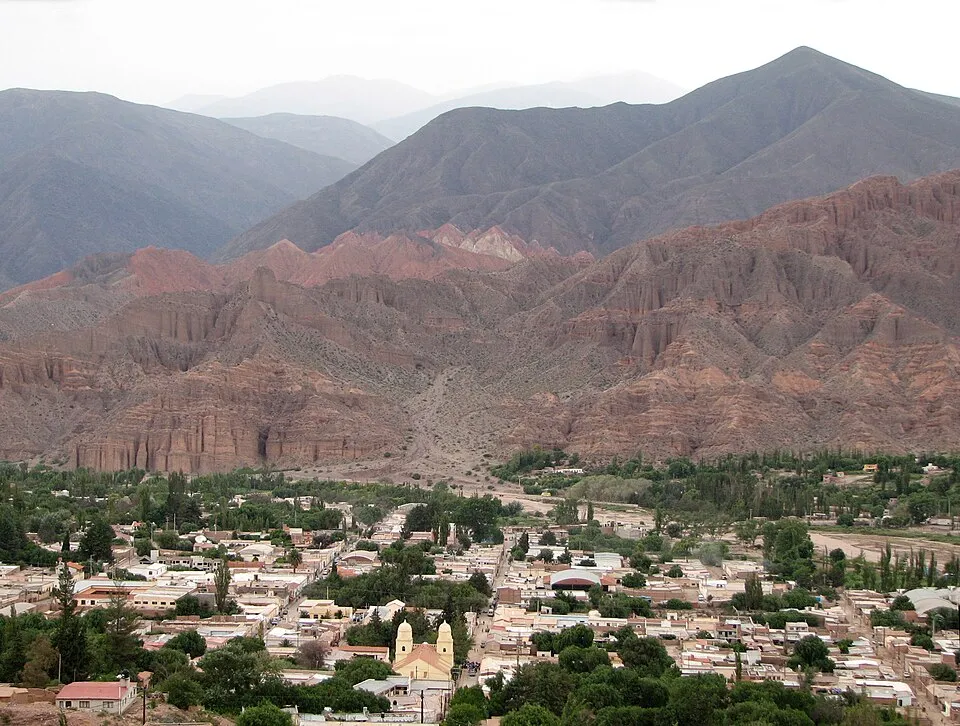
Three blocks from Tilcara's plaza with private terraces facing the valley, a small spa, and a kitchen that leans on quinoa and Andean potatoes.
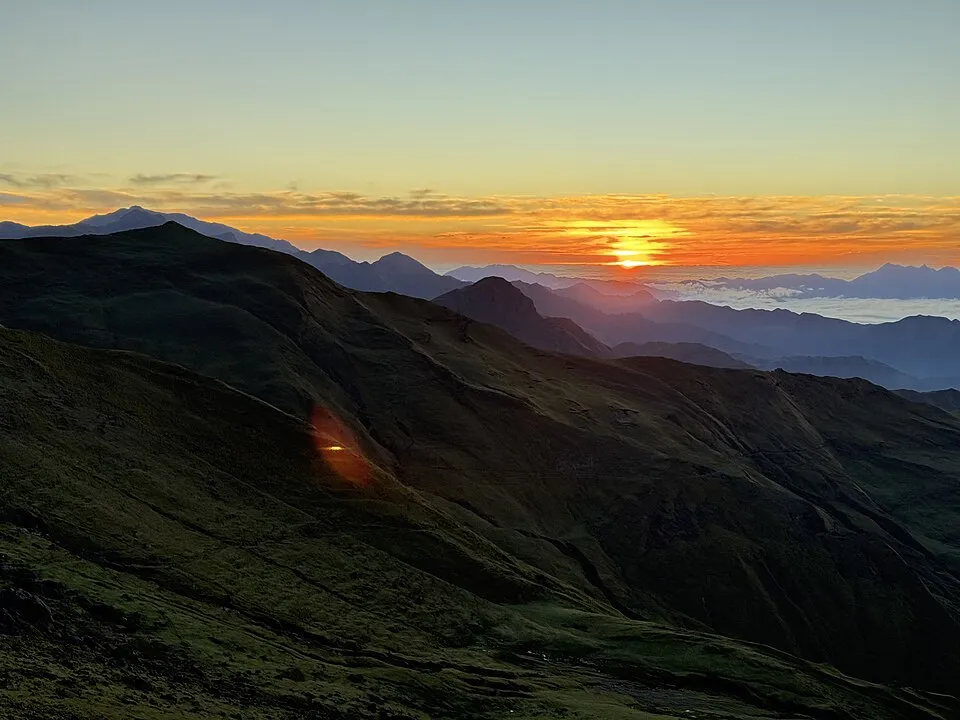
A neo-colonial estate hotel halfway up the valley with its own kitchen garden and vineyard. One honest note: recent guests have reported friction over rate and currency handling at checkout — settle the price basis when you book.
Three to four minimum: Salta city and a peña night, a Quebrada day, and one high excursion per remaining day. The altitude is why you don't stack them.
May–October for dry-season light. July is the sweet spot and the crowd peak at once — book stays ahead.
Purmamarca ~2,200 m, Humahuaca ~3,000 m, Salinas Grandes ~3,450 m, the Hornocal viewpoint ~4,300 m. Respect the numbers and they'll leave you alone.
A folk-music dinner house. Balderrama is the famous ticketed show; La Casona del Molino is the version where musicians wander in and the night organizes itself. Do one of each if you can.