atlorabound
NO · BERGEN + THE WESTERN FJORDS

Norway, one honest week

The western fjords are the right first Norway — one gateway city, two UNESCO fjords, the famous hikes and the famous road, all in one coherent trip. The catch is scale: fjord distances lie, and this guide does the math out loud so your week stays a trip instead of a driving penance. Lofoten, Tromsø and the aurora are a different journey; they get their own guide later.

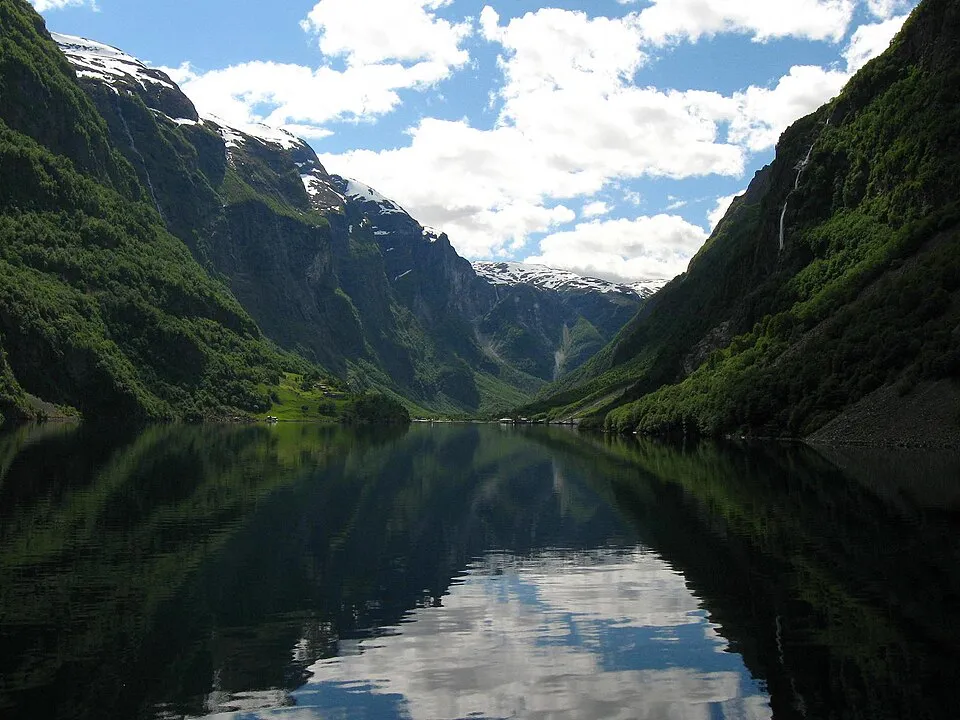
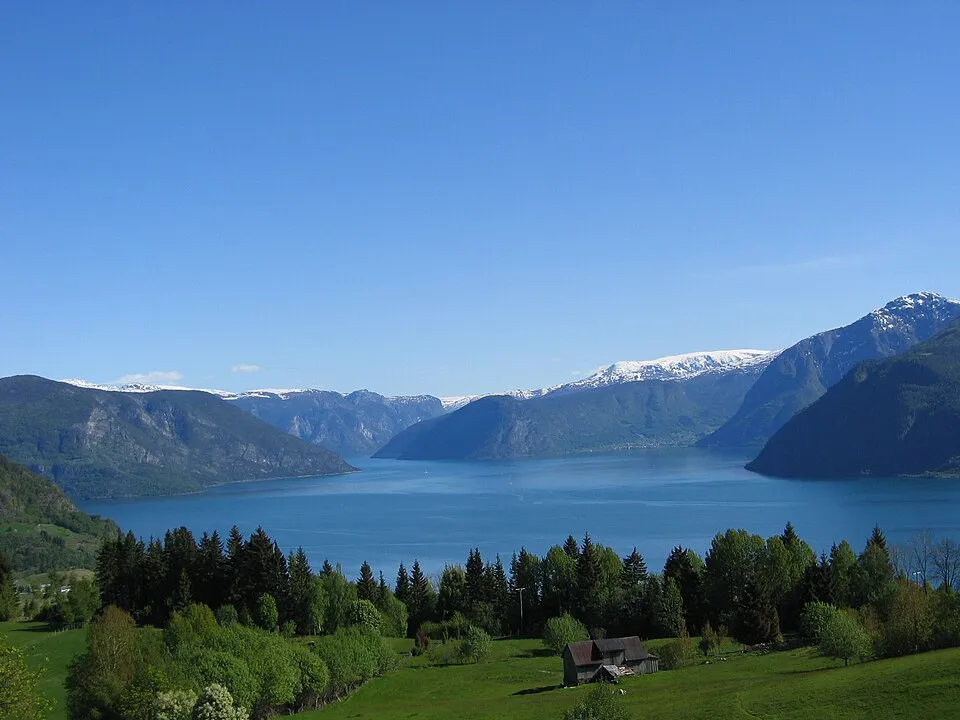
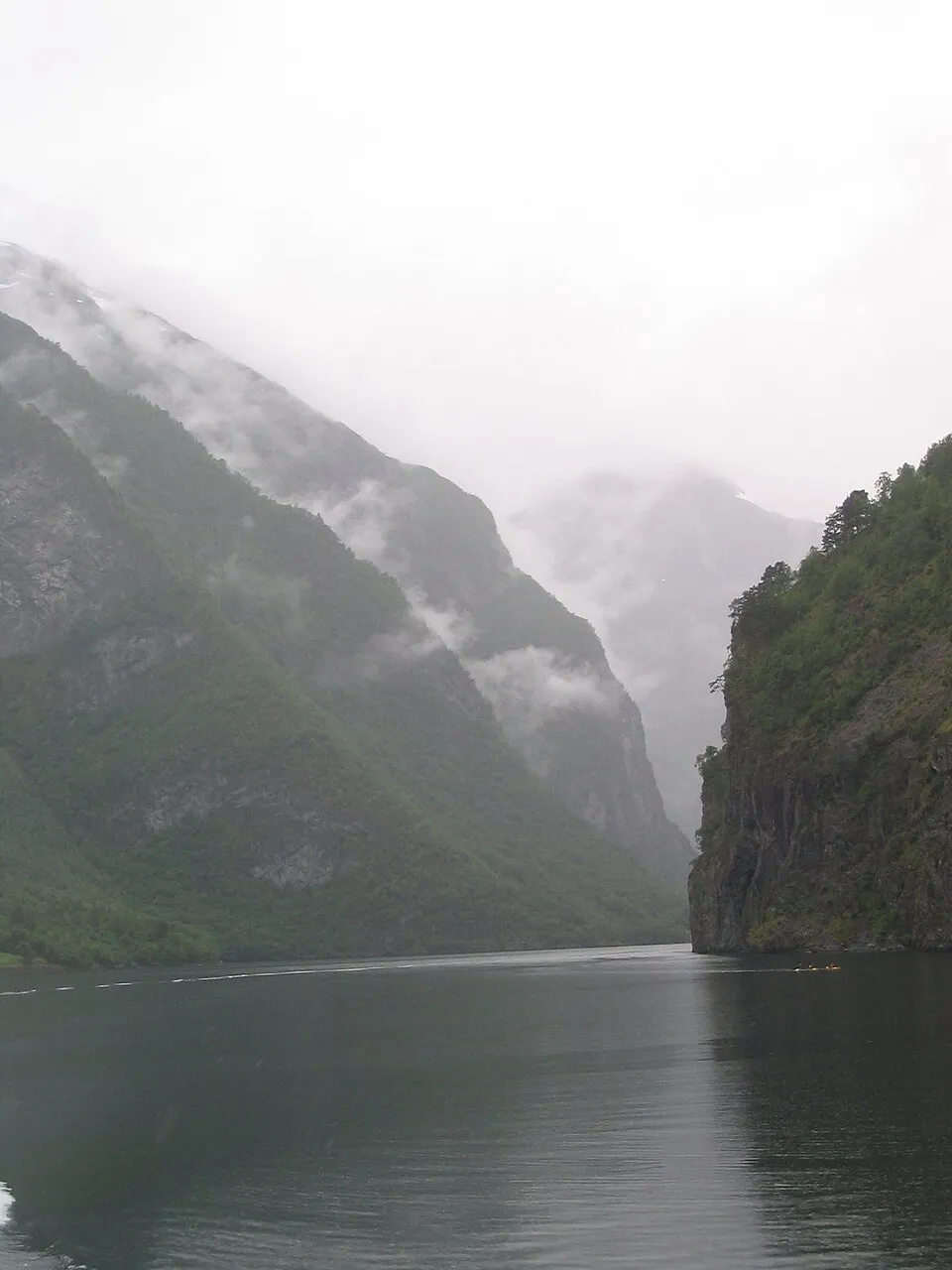
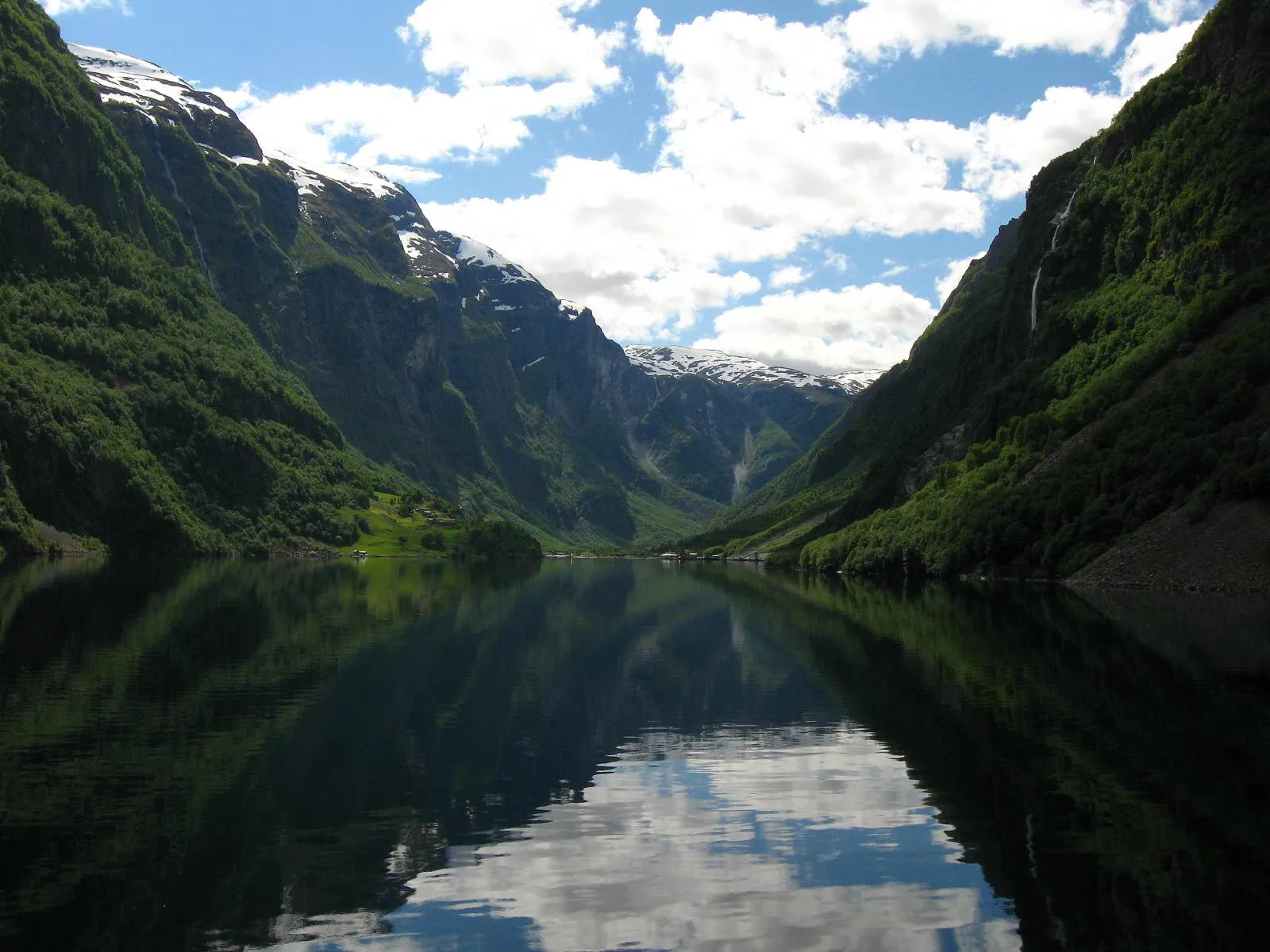
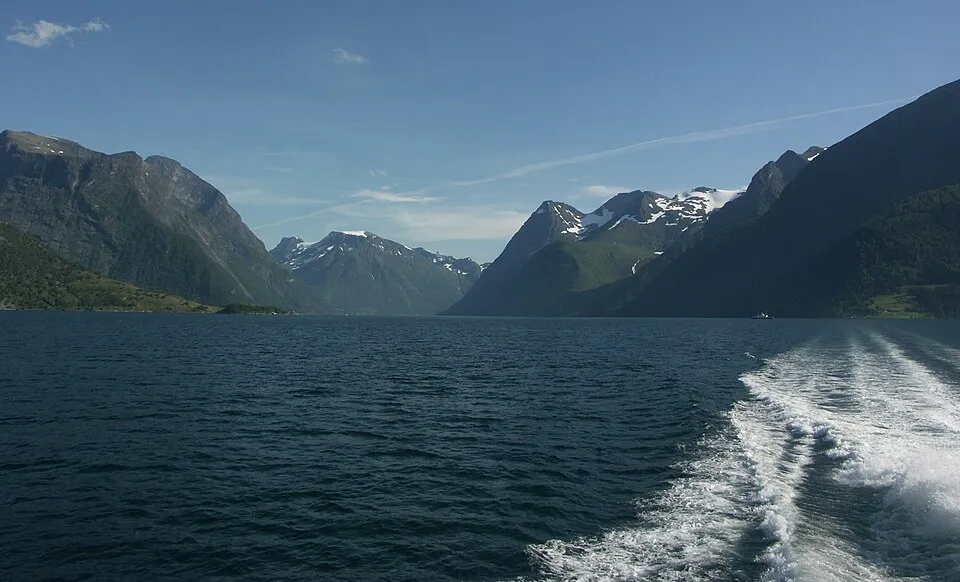
Nærøyfjord toward Gudvangen — mcxurxo, CC BY 2.0
BERGEN

Bergen

The gateway city earns two days: a working harbor town of wooden lanes and serious kitchens, wrapped around the funicular that shows you the whole fjord country in eight minutes.

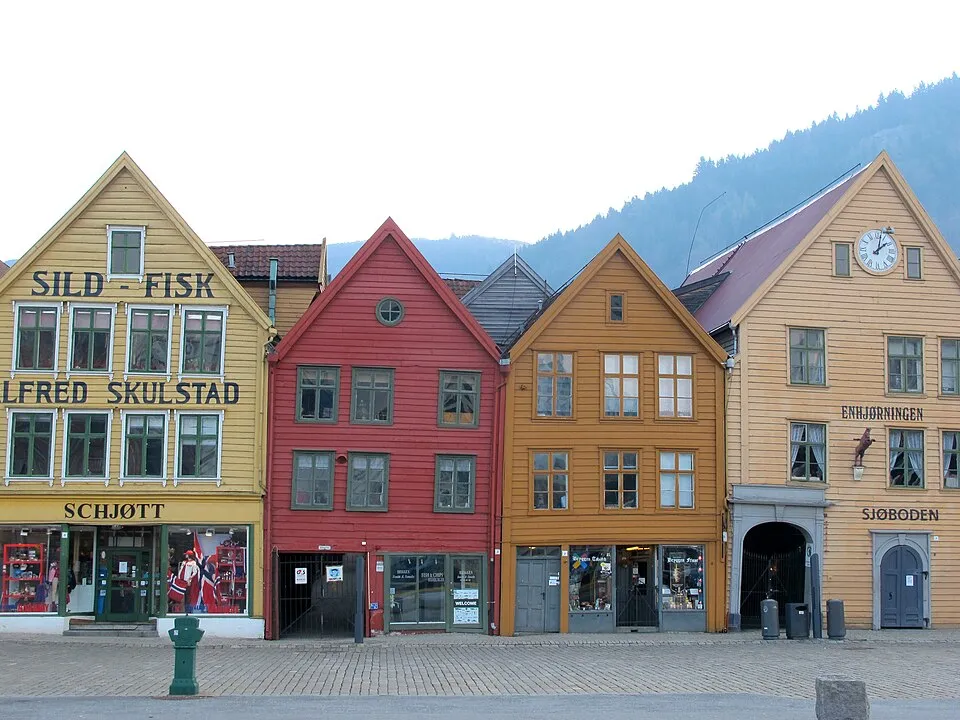
The colorful Hanseatic row at Bryggen, Bergen
SEE

Bryggen

The leaning wooden row of the old Hanseatic wharf, UNESCO-listed since 1979 and freely walkable at all hours — go early before the cruise crowds, and duck into the timber alleys behind the facades. One heads-up: the Hanseatic Museum building is closed for long-term restoration.
Free · Bergen · MAP ↗
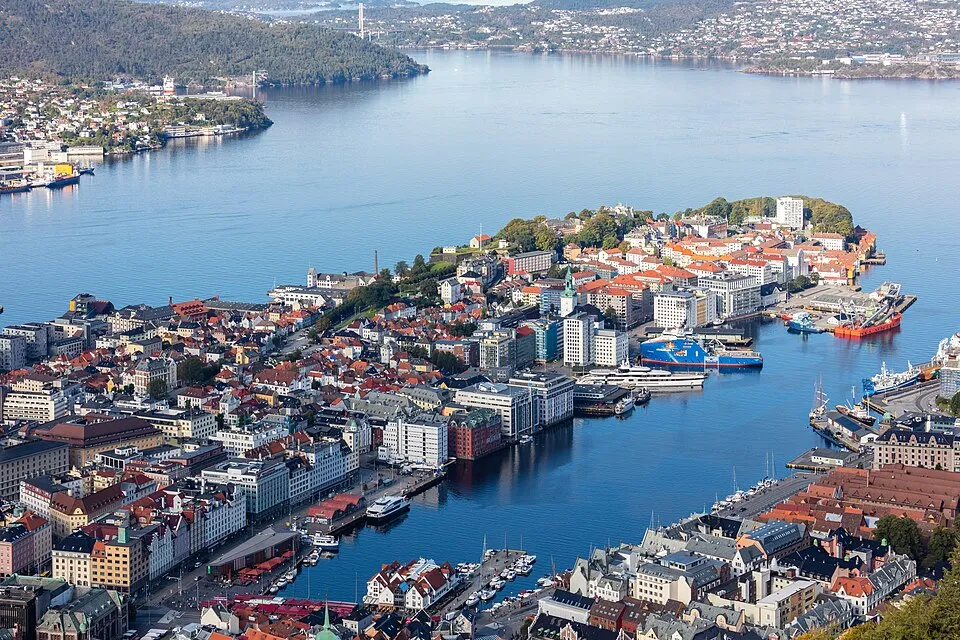
The view over Bergen from Fløyen
SEE

Fløibanen & Fløyen

The funicular runs from the city center to the Fløyen viewpoint year-round, every ten to fifteen minutes until midnight. Ride up for the panorama, then walk back down through the woods — the descent is the underrated half.

Bergen · MAP ↗
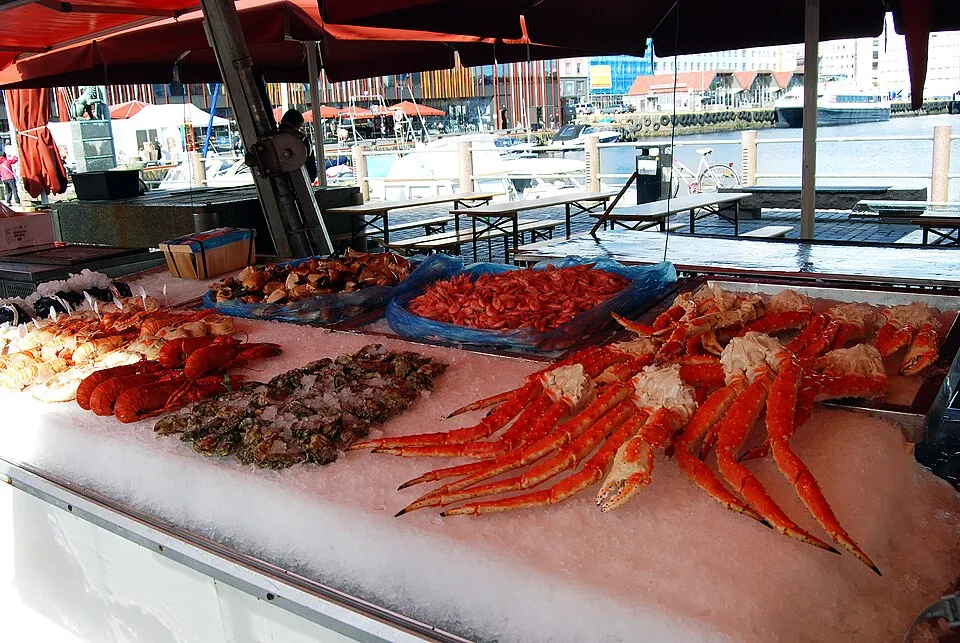
The fish market by Bergen's harbor
SEE

The Fish Market

Touristy and worth it anyway: the indoor Mathallen trades year-round and the outdoor stalls run from May through summer. Treat it as lunch theatre — buy the prawns, sit on the harbor edge, watch the boats.

Bergen · MAP ↗
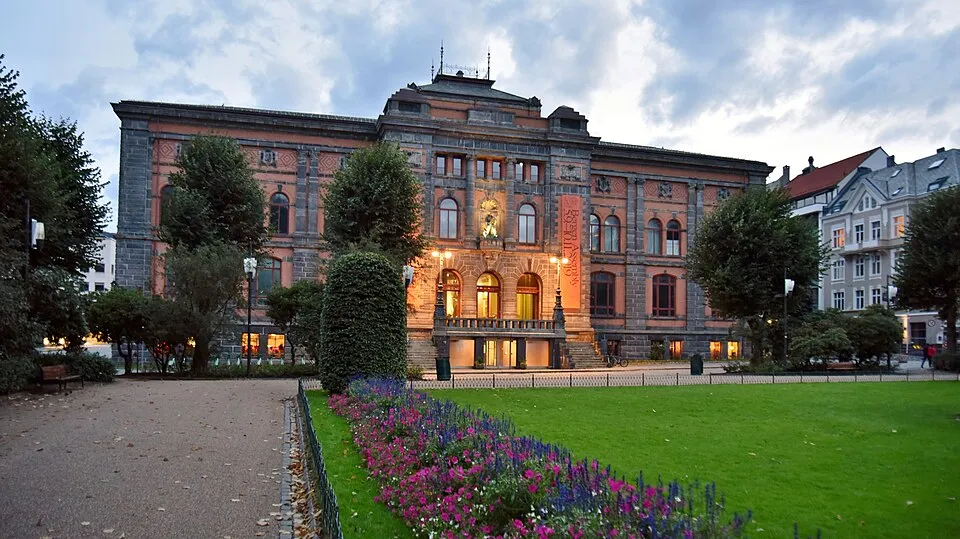
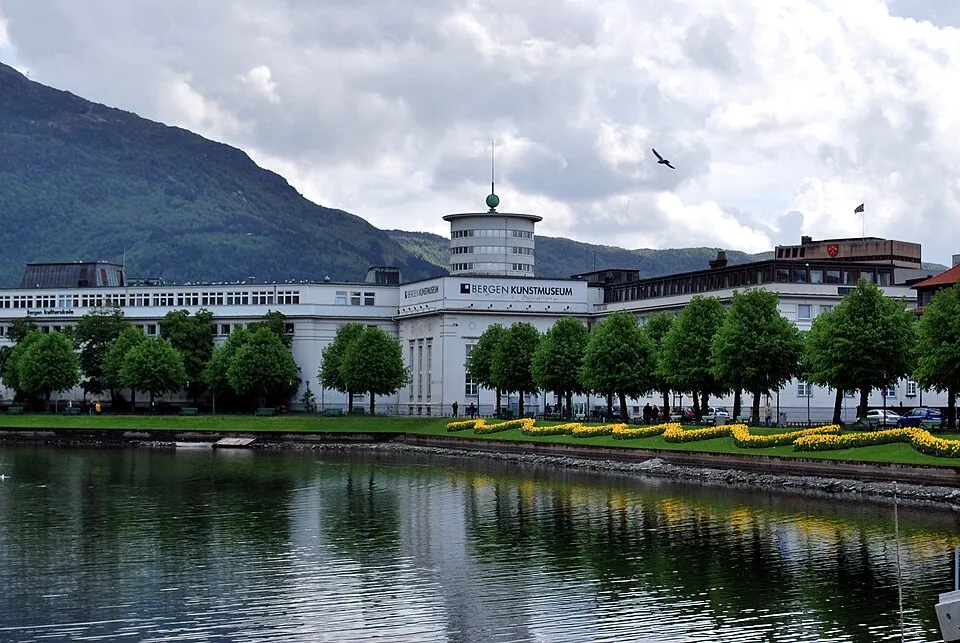
The 1896 Permanenten building, KODE 1
SEE

KODE Art Museums

Four museums in a row on the lake — Munch upstairs, the Rasmus Meyer collection next door, and three composer homes in the hills.

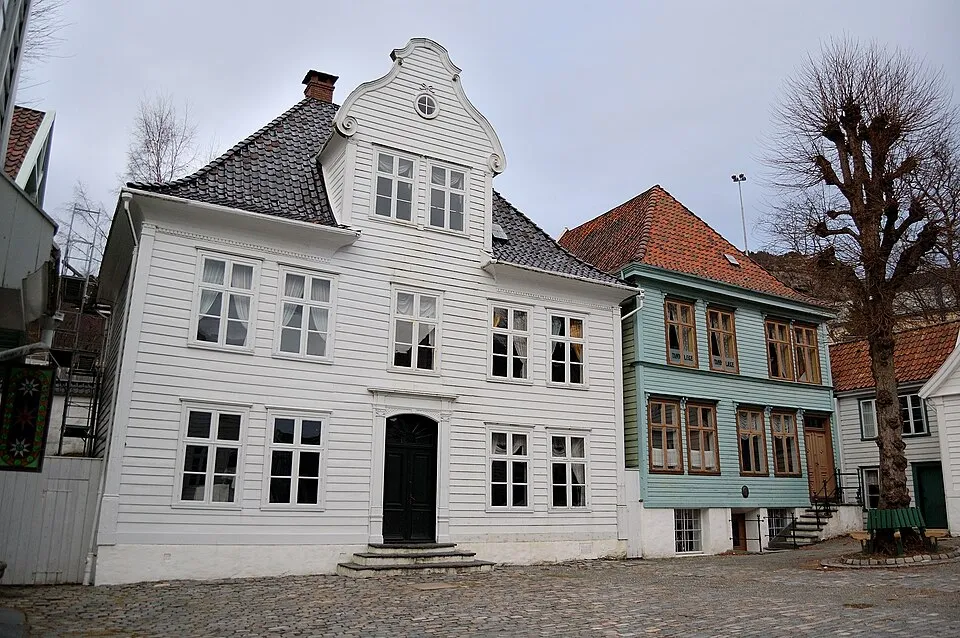
Clapboard houses along a museum lane
SEE

Gamle Bergen Museum

An open-air town of 55 wooden houses moved here from the city centre, staging 1800s Bergen life. Grounds open year-round; houses in season.

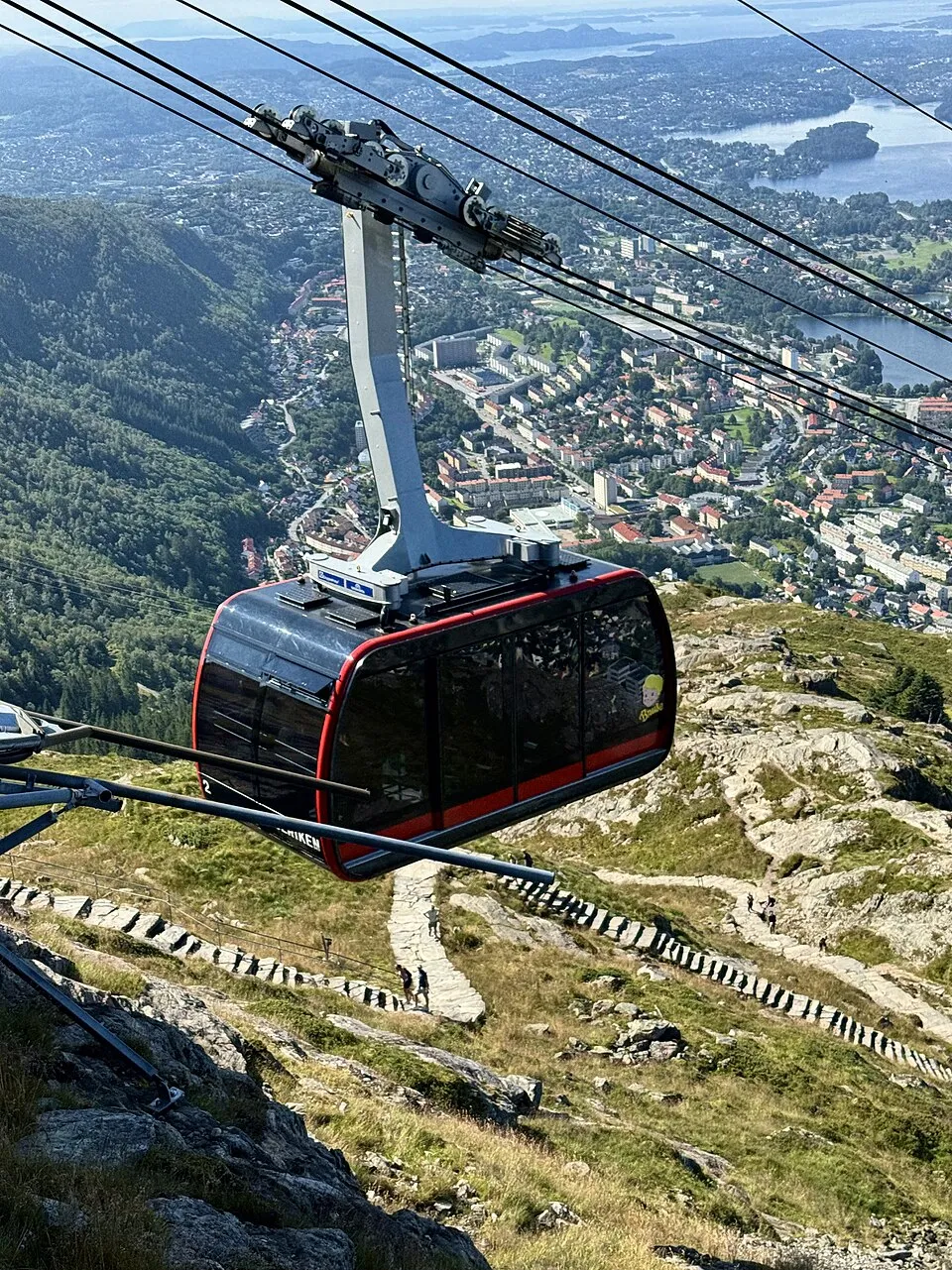
The gondola climbing Ulriken above Bergen
SEE

Mount Ulriken cable car

The highest of Bergen’s seven mountains, cable car every ten minutes — hike the ridge to Fløyen from the top if the weather holds.

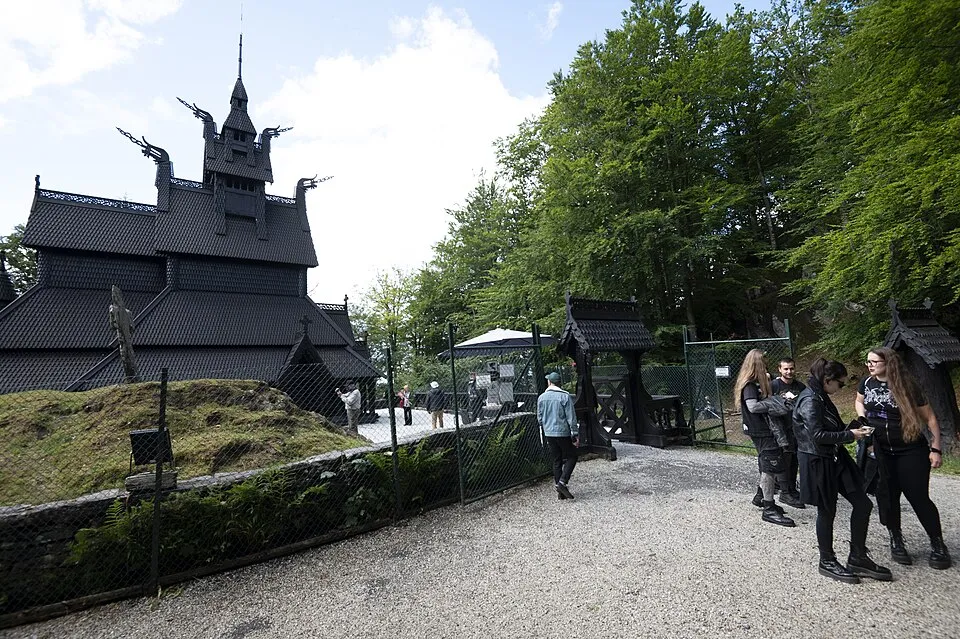
The dark-tarred, dragon-headed church among pines
SEE

Fantoft stave church

Built around 1170, moved here in 1883, burned in 1992 and rebuilt plank by plank — dragon heads and tarred timber in a quiet pine grove.

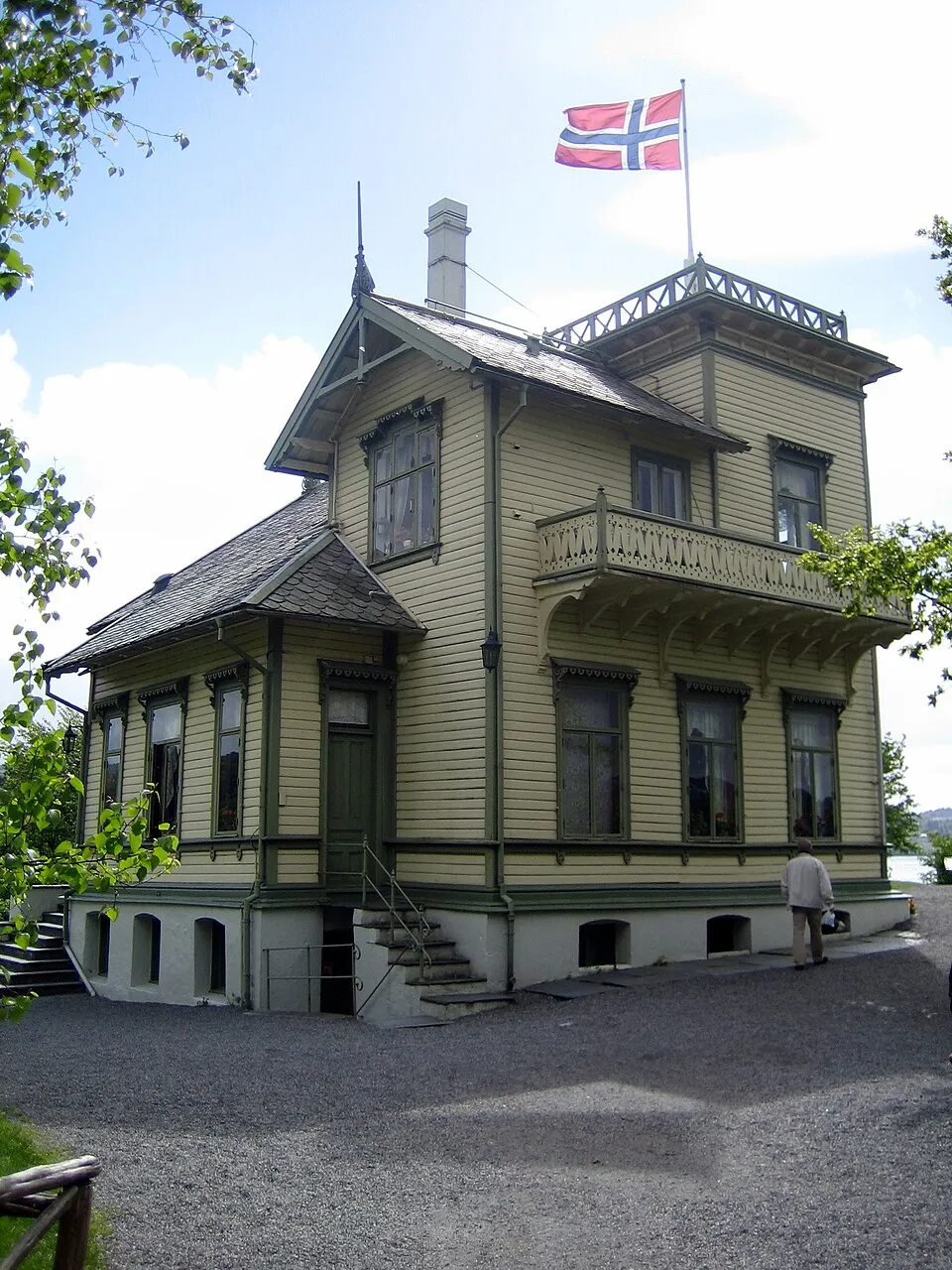
Grieg’s yellow wooden villa
SEE

Troldhaugen

Edvard Grieg’s lakeside villa and composing hut, with lunchtime concerts through the season. The villa interior is closed for restoration into 2027 — the grounds, museum and concerts carry on.

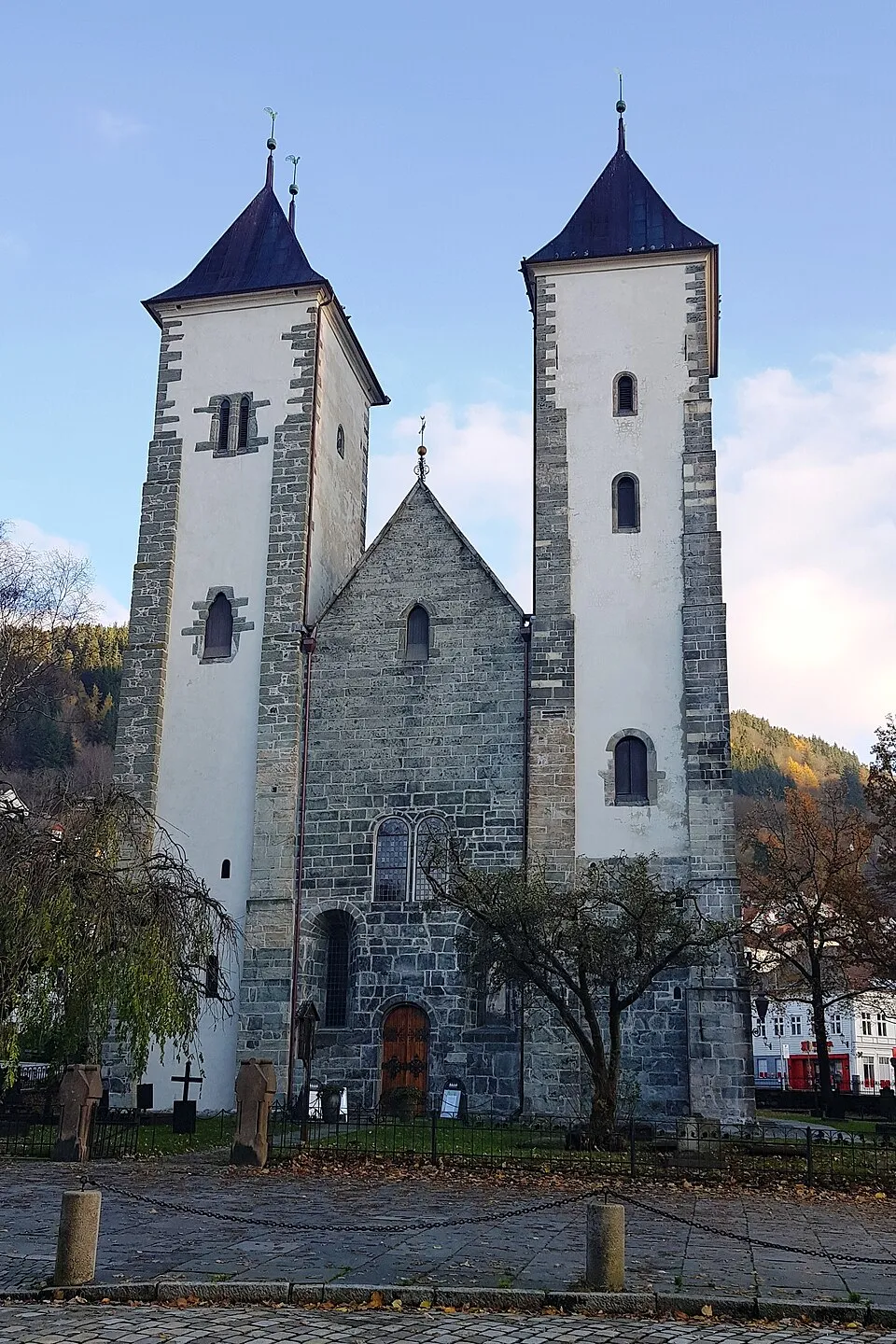
The twin-towered Romanesque church
SEE

St Mary’s Church

Bergen’s oldest building — Romanesque stone from the 1130s — with a gilded baroque pulpit the Hanseatic merchants paid for.

THE FJORDS

The fjords

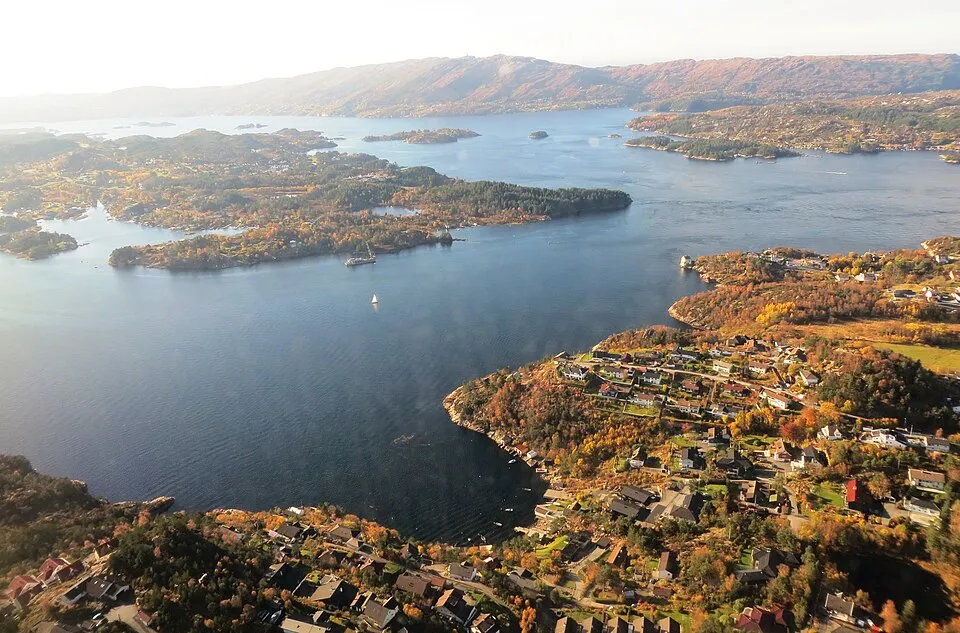
Two of these carry UNESCO status, and since January 2026 the small boats that cruise them are zero-emission — the silence is now part of the experience.

The steep walls of the Nærøyfjord
SEE

Nærøyfjord

The UNESCO-listed one, with the adjoining Aurlandsfjord: walls so close the electric boats seem to whisper through. The Flåm–Gudvangen cruise is the classic way in, and the battery-powered fleet means you hear waterfalls, not engines.

From Flåm or Gudvangen · MAP ↗
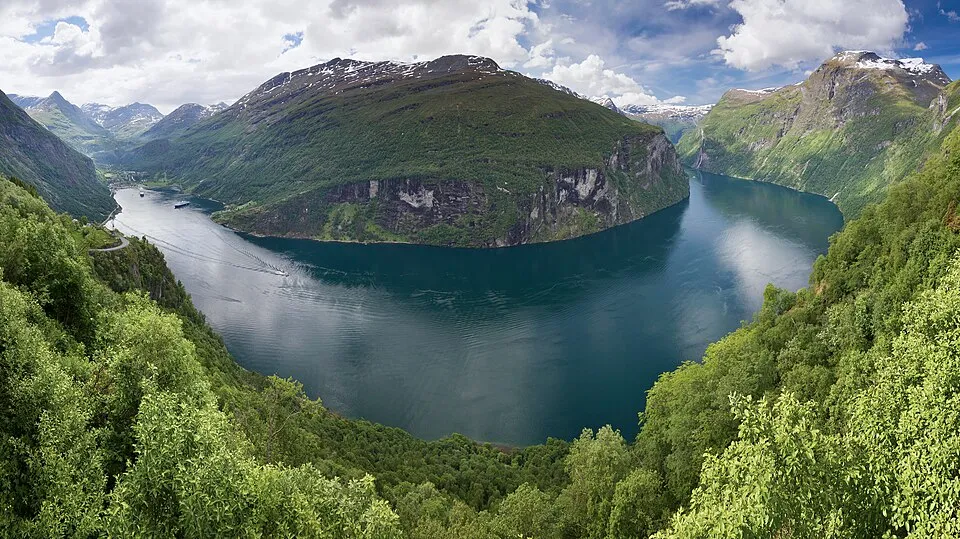
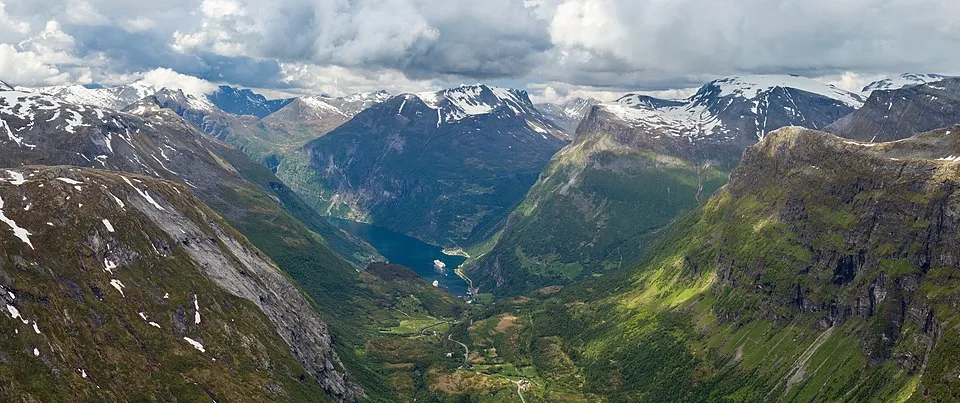
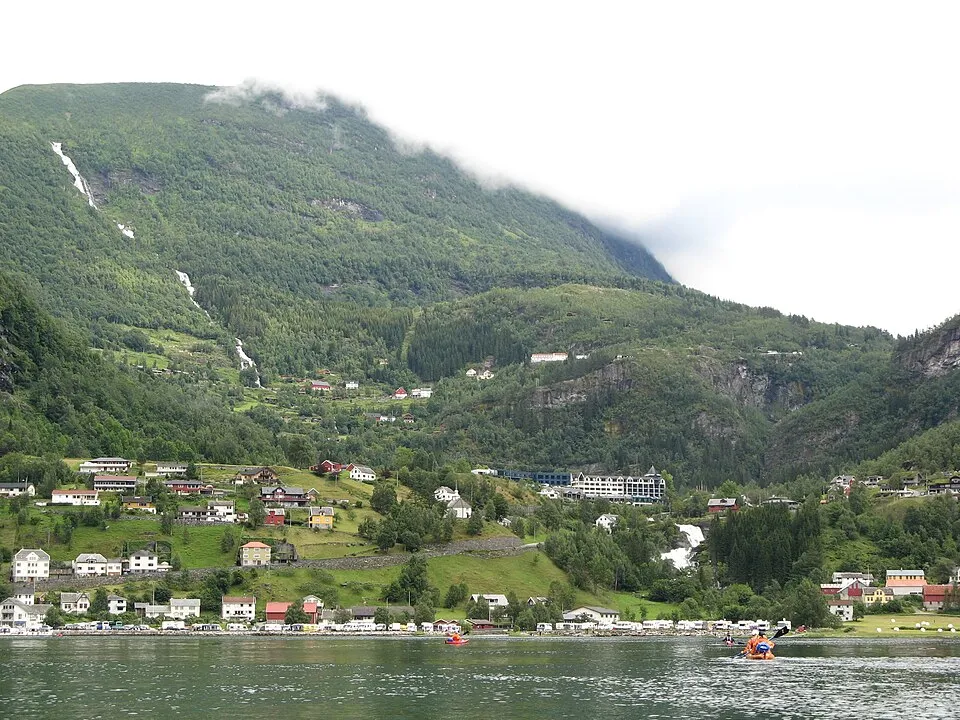
Geirangerfjord from the Ørnesvingen viewpoint
SEE

Geirangerfjord

The other UNESCO fjord — the Seven Sisters falls, the S-bend from Ørnesvingen, and a village of two hundred people that hosts eighty-plus cruise calls a season. Come by road via Trollstigen and it books itself into memory; just know it's a long haul from Bergen.

Geiranger · MAP ↗
The Sognefjord
SEE

Sognefjord

Norway's longest and deepest fjord — 205 kilometres long, 1,308 metres deep — and the highway into the region: the express boat from Bergen runs daily from April through October and turns transit into sightseeing.

Bergen–Flåm boat ~5.5h · MAP ↗
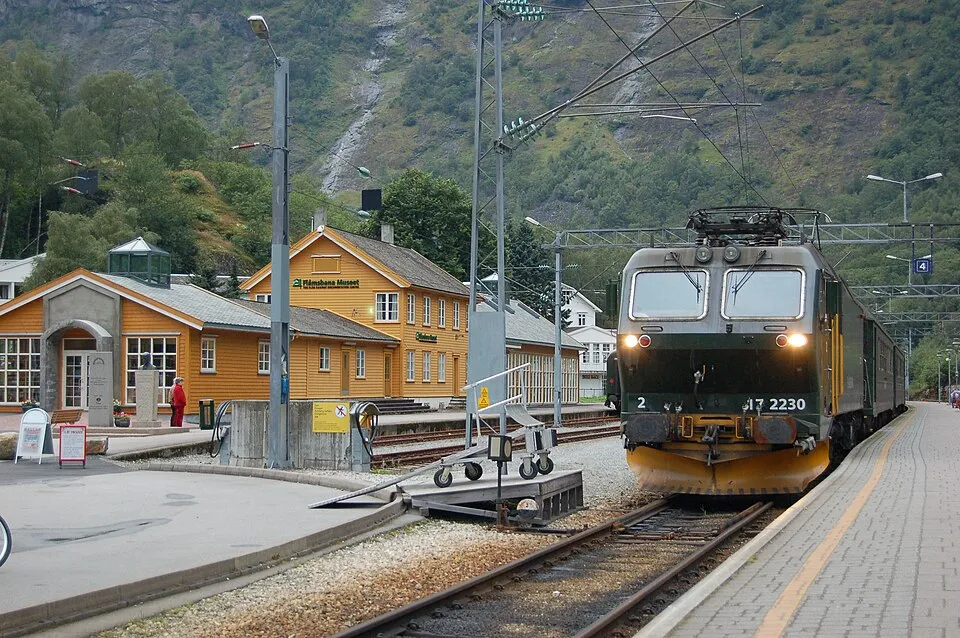
The Flåm Railway in its mountain landscape
SEE

Flåmsbana & Norway in a Nutshell

The steep little railway from Myrdal down to the fjord at Flåm, and the spine of the "Norway in a Nutshell" loop: Bergen Line train, Flåmsbana, electric fjord cruise, mountain bus, home by rail. The single best one-day fjord move that exists.

Flåm · MAP ↗
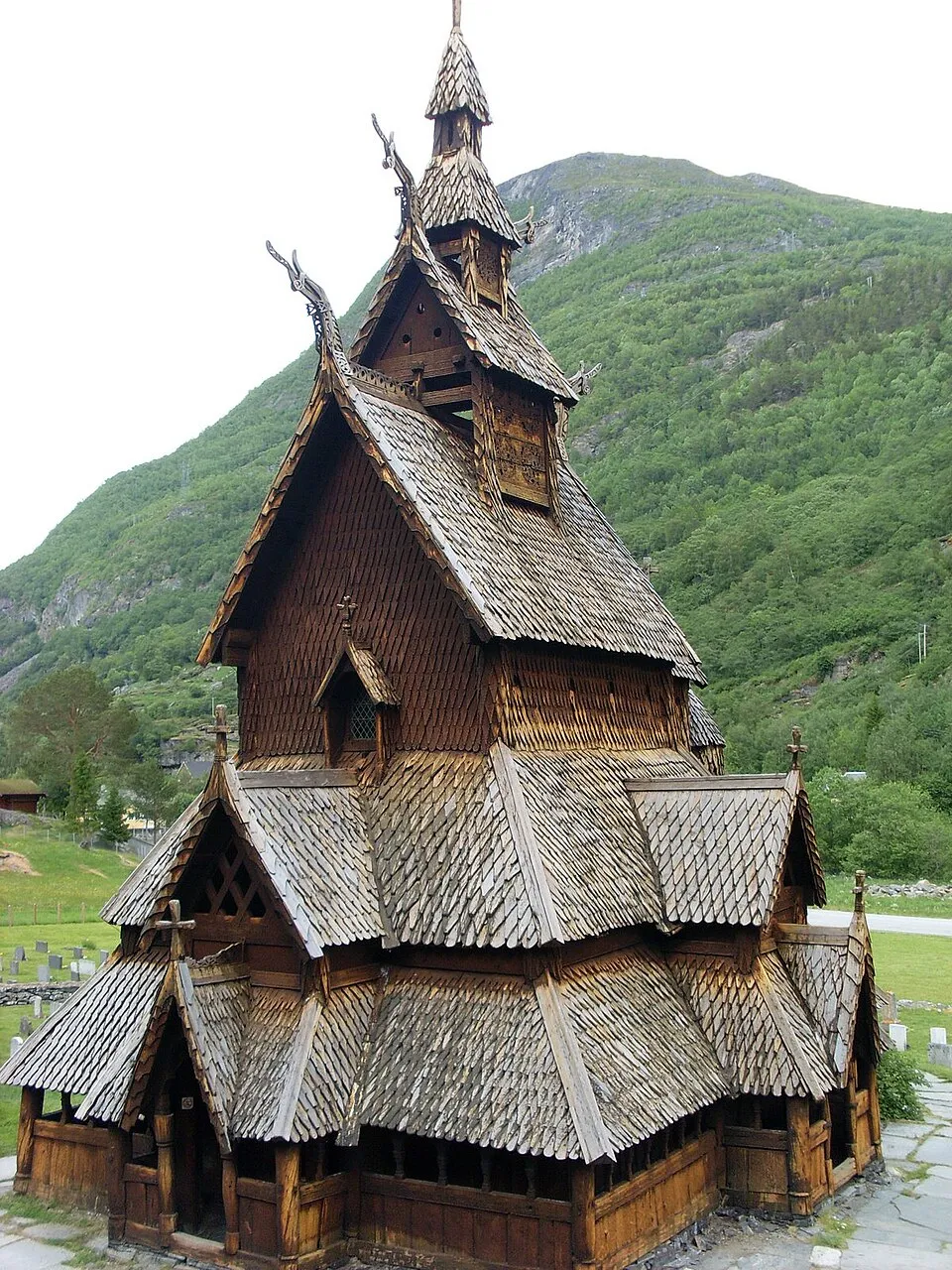
Borgund’s tiered timber exterior
SEE

Borgund stave church

The benchmark stave church — standing on the same spot since 1180, tiered like a dark wooden pagoda. Open mid-April to mid-October.

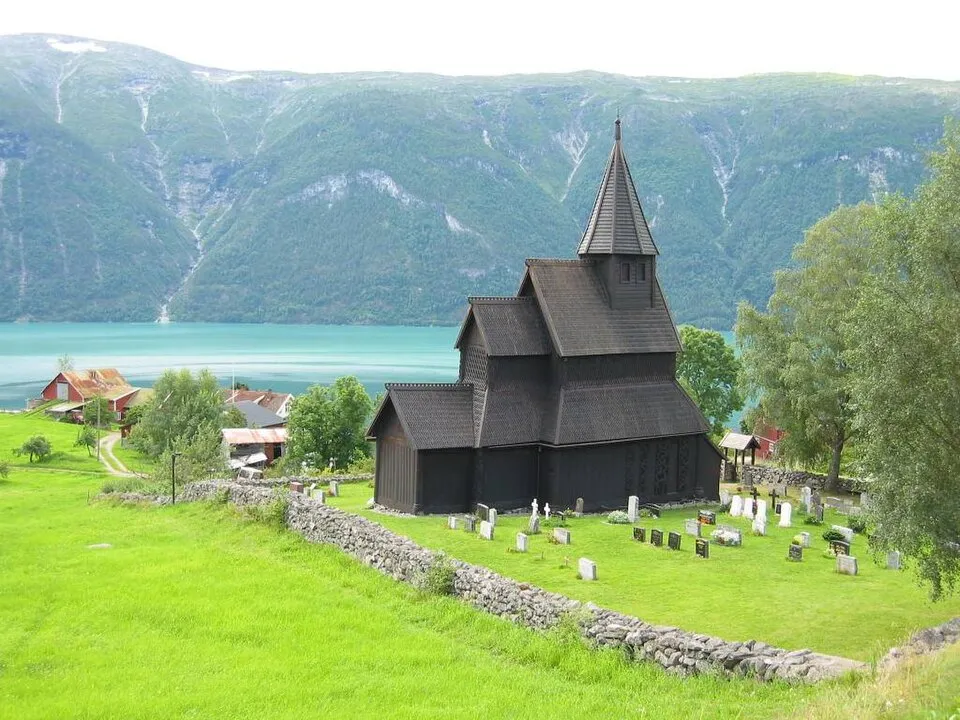
The church above the Lustrafjord
SEE

Urnes stave church

Norway’s oldest stave church, about 1130, UNESCO-listed — its carved north portal gave a whole Viking art style its name. Ferry across the Lustrafjord to reach it.

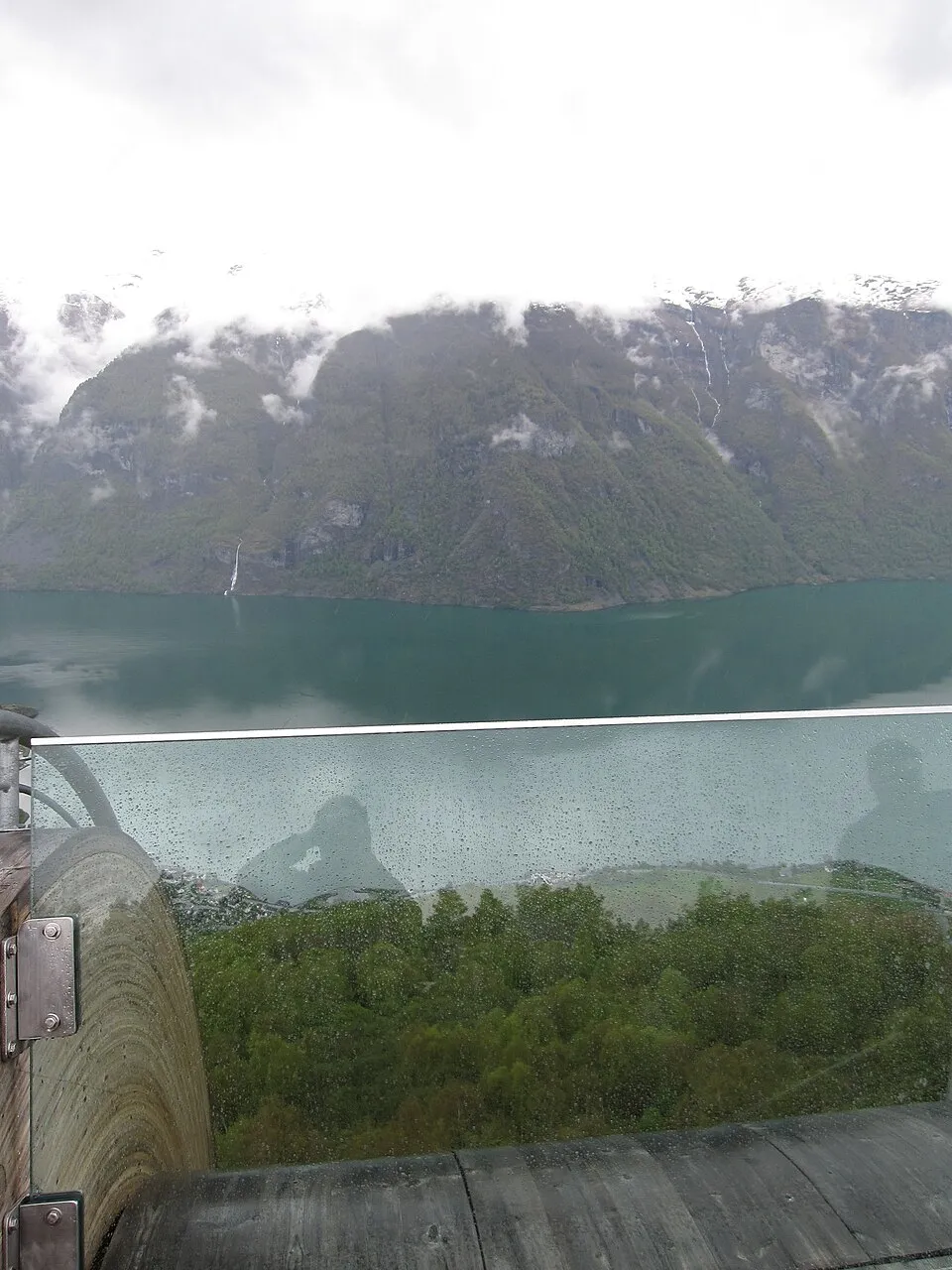
The platform tip over the Aurlandsfjord
SEE

Stegastein viewpoint

A timber-and-glass diving board jutting thirty metres over the treetops, 650 metres above the Aurlandsfjord. Open year-round, on the snow road to Lærdal.

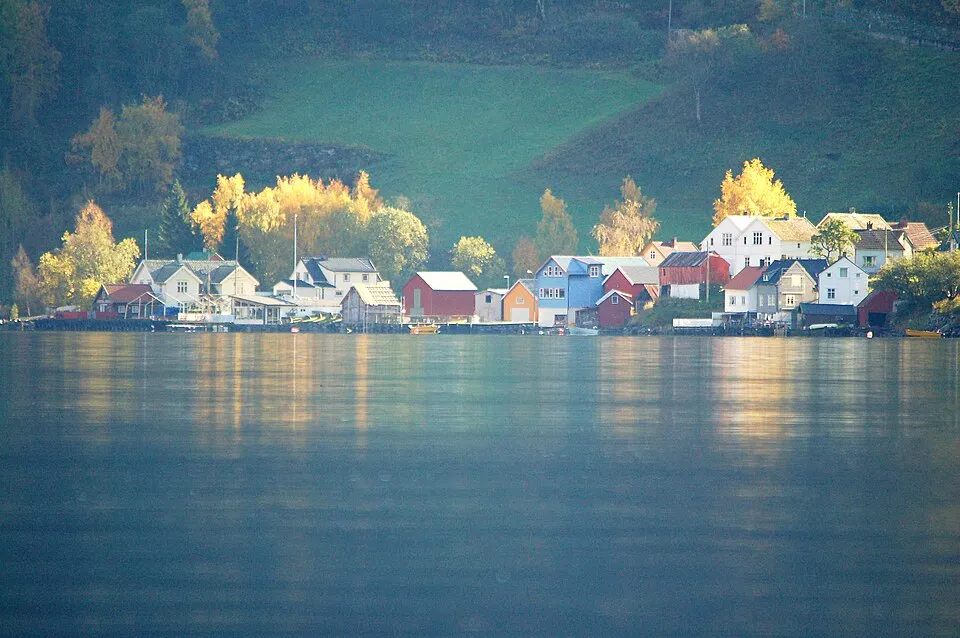
The village and white church on the Aurlandsfjord
SEE

Undredal

A hundred people, five hundred goats, Scandinavia’s smallest stave church — and the first Norwegian goat cheese licensed for sale across Europe. Stop for brown cheese on the fjord.

Kayakers in the narrow Nærøyfjord
SEE

Kayaking the Nærøyfjord

The quietest way into the UNESCO fjord — guided paddles from Gudvangen, half-day to multi-day, running through September.

The honest week. Bergen to Ålesund is 420 kilometres and seven and a half hours with two ferries — a 56 km/h average, and that's the region in one number. A real week from Bergen: two days in the city, two on the Flåm–Nærøyfjord run, then either Trolltunga and Hardanger or the Geiranger–Ålesund–Trollstigen loop. Trying to have all of it is how the fjords turn into windshield.
THE GLACIERS

The glaciers

Arms of the Jostedalsbreen ice cap — Europe’s largest mainland glacier — reach almost to the fjords here. All of them are retreating; see them properly, with respect.

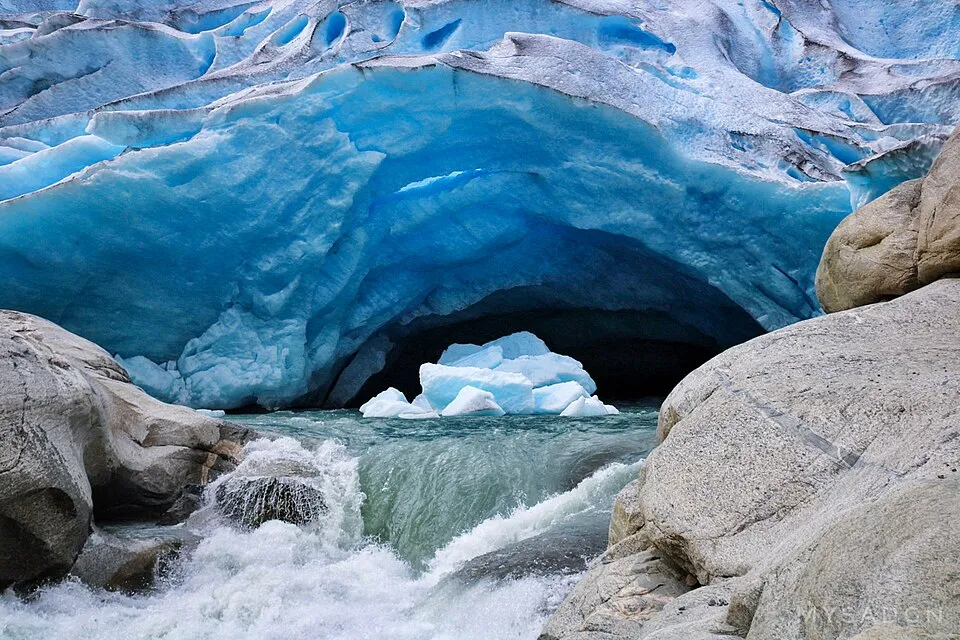
The glacier tongue descending its valley
SEE

Nigardsbreen

The classic blue-ice walk: a boat across the glacier lake, crampons on, and ninety minutes on the tongue of the Jostedal ice cap. Guided daily mid-May to late September.

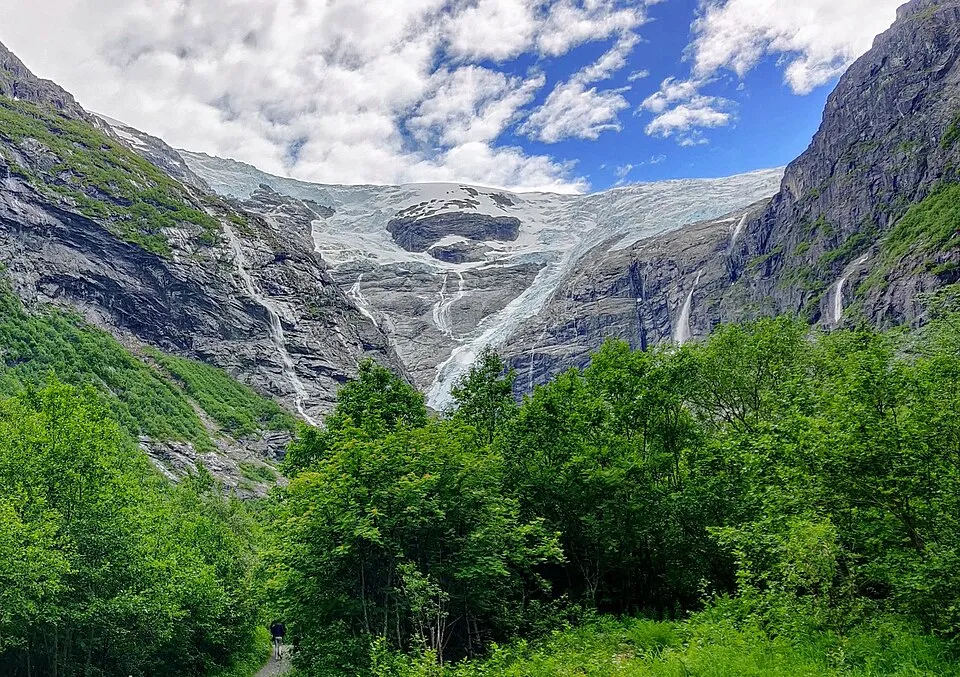
The glacier arm above its meltwater lake
SEE

Briksdalsbreen

No walking on this one anymore — the arm has retreated — but the three-kilometre trail (or the “Troll car” shuttles) ends at a meltwater lake under the ice.

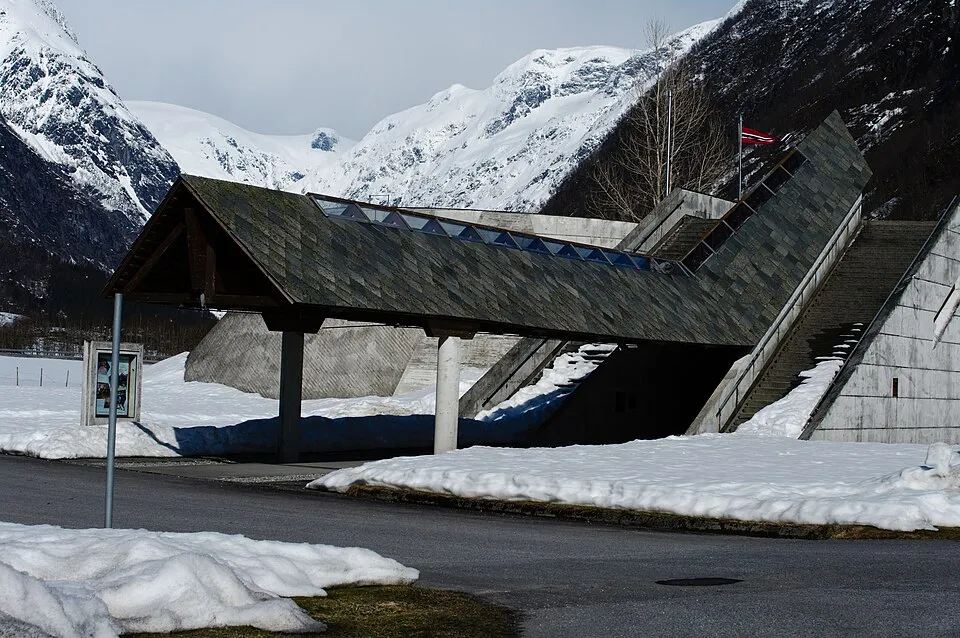
Fehn’s museum building
SEE

Norwegian Glacier Museum

Sverre Fehn’s concrete spaceship in Fjærland — the Jostedalsbreen park centre, with a panoramic glacier film and a blunt climate exhibition. Open April–October.

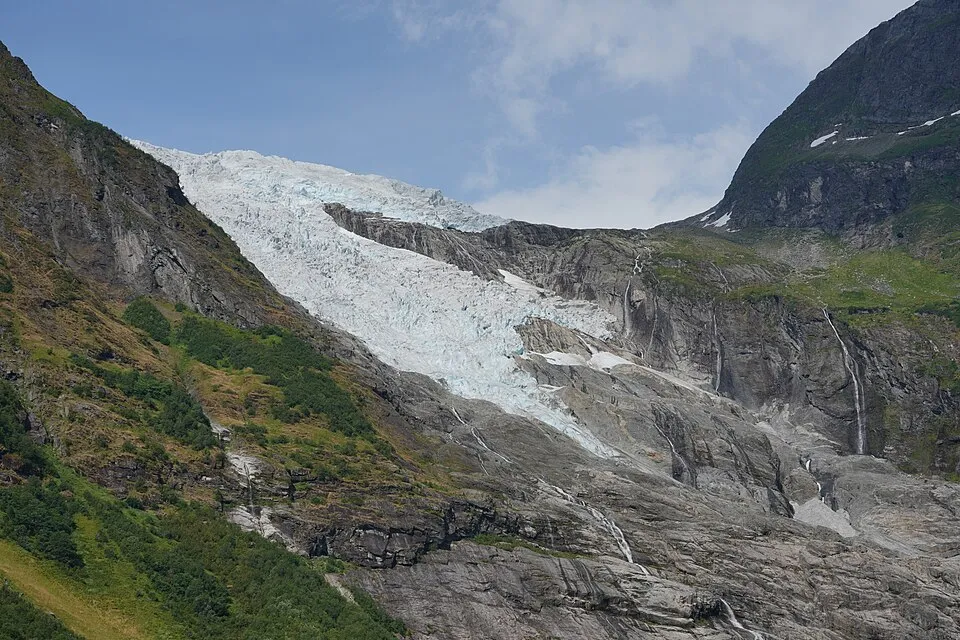
The hanging glacier above cliff and lake
SEE

Bøyabreen

The drive-by glacier: a hanging arm of the Jostedal ice cap seen across a lake from the café windows, five minutes from the Glacier Museum. Calving if you’re lucky.

HARDANGER

Hardanger

The orchard fjord: waterfalls at every bend, cider farms on the slopes, and the Trolltunga trailheads up the valley.

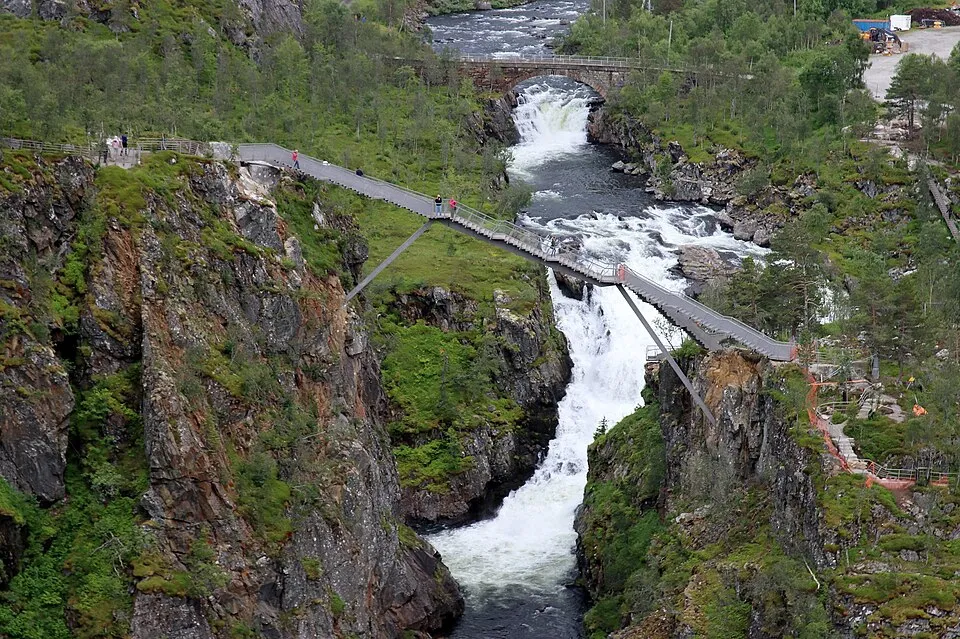
The step bridge spanning the gorge
SEE

Vøringsfossen

Norway’s signature waterfall — 182 metres off the Hardangervidda into Måbødalen — now crossed by a step footbridge hanging over the gorge.

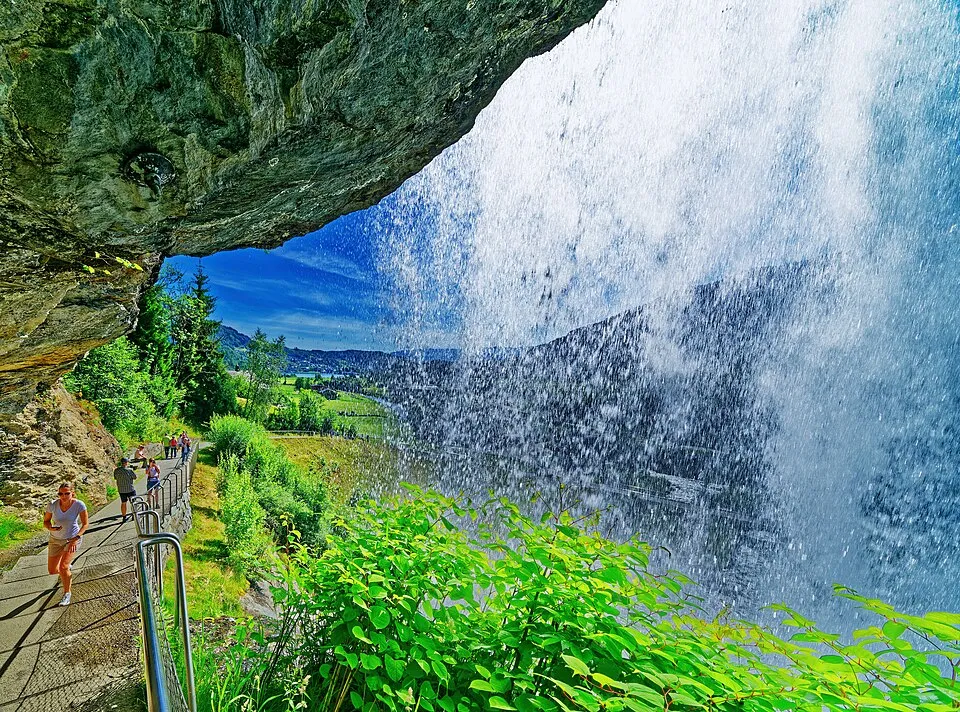
The falls over the overhang, walk-behind path visible
SEE

Steinsdalsfossen

The waterfall you walk behind without getting wet — a dry path runs under the fifty-metre drop. Free, open always, right off the Norheimsund road.

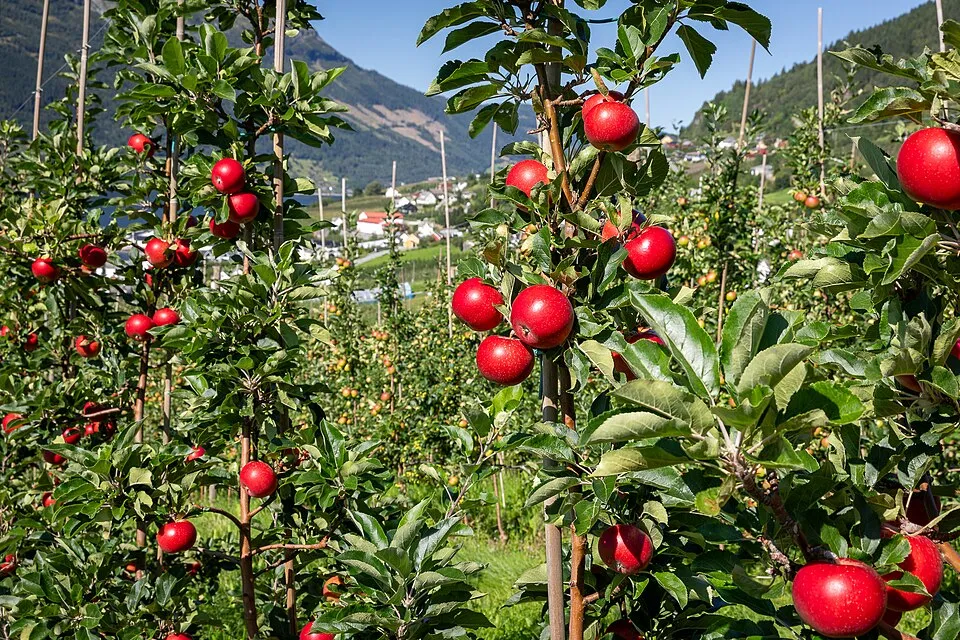
Hardanger apples on the tree above the fjord
SEE

Syse Gard, Ulvik

A family farm on Ulvik’s cider route — tasting flights on the “siderfjøl” board, a summer café, and the orchard that grew the apples in your glass.

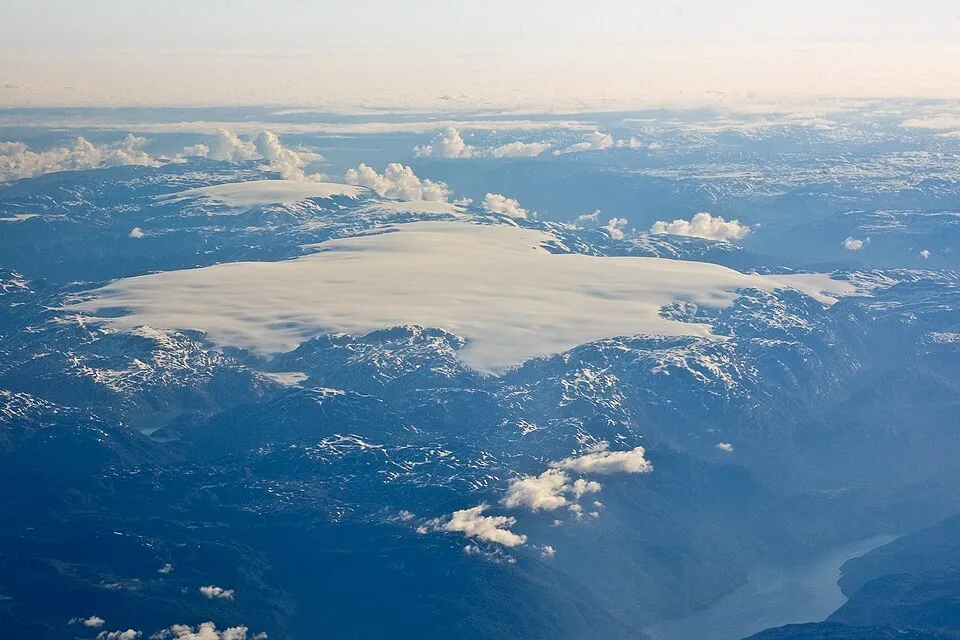
The Folgefonna ice cap from the air
SEE

Folgefonna glacier

The summer-ski lifts are gone — collapsed in 2025 and dismantled — but guided blue-ice hikes on the Juklavass arm run daily May to November.

THE HIKES

The hikes

Season windows are real here — these are mountain routes, not strolls. Preikestolen and Kjerag sit on the Lysefjord near Stavanger, not Bergen; they're listed because you'd rightly ask, with the geography named honestly.

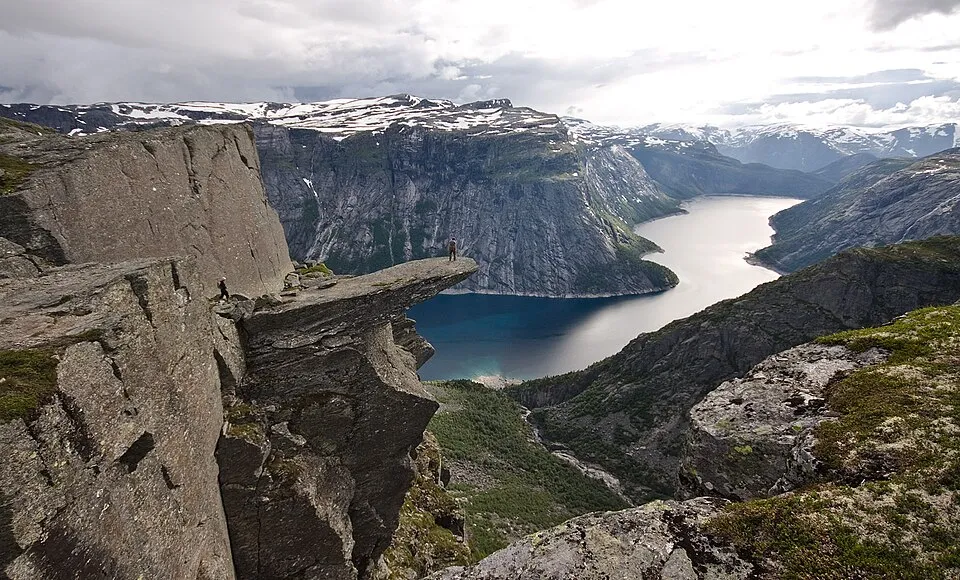
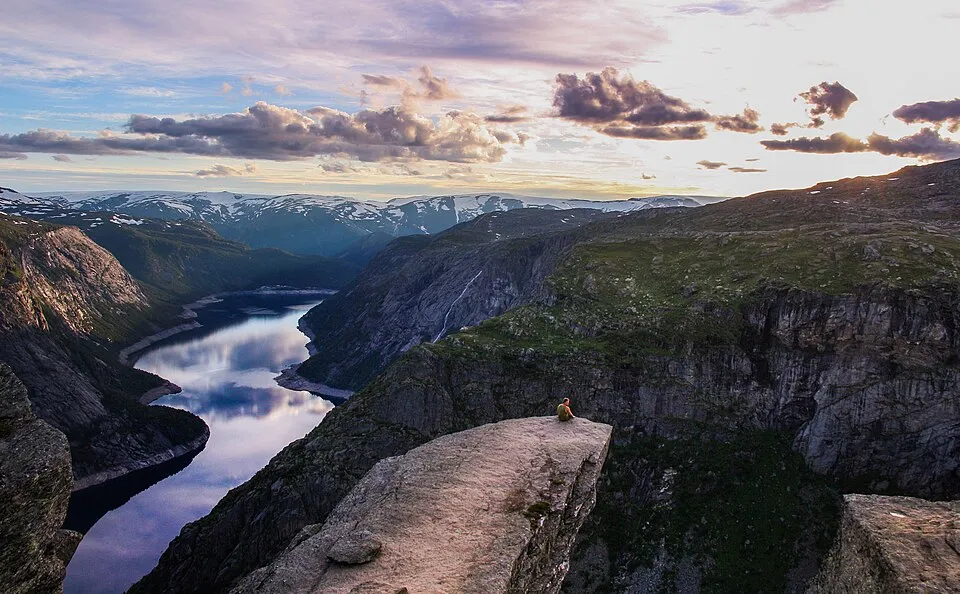
The Trolltunga rock tongue over Ringedalsvatnet
SEE

Trolltunga

The rock tongue over Ringedalsvatnet: a 27-kilometre round trip taking eight to twelve hours, self-guided in season (June 1 – September 30), guided tours the official advice outside it. Three staffed emergency shelters line the route, which tells you everything about respecting this one. About three hours from Bergen to the trailhead shuttles.

Hardanger · MAP ↗
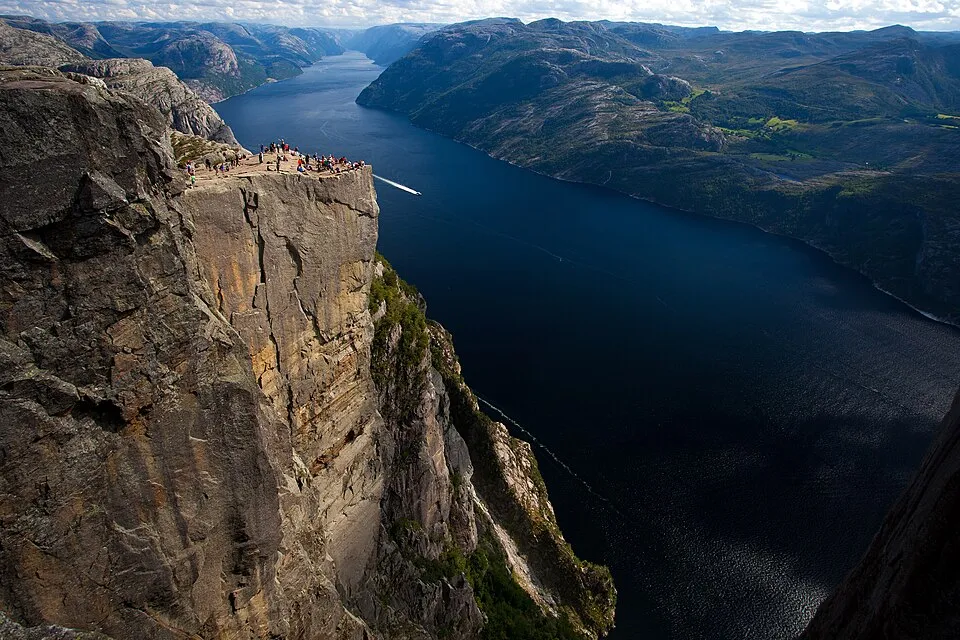
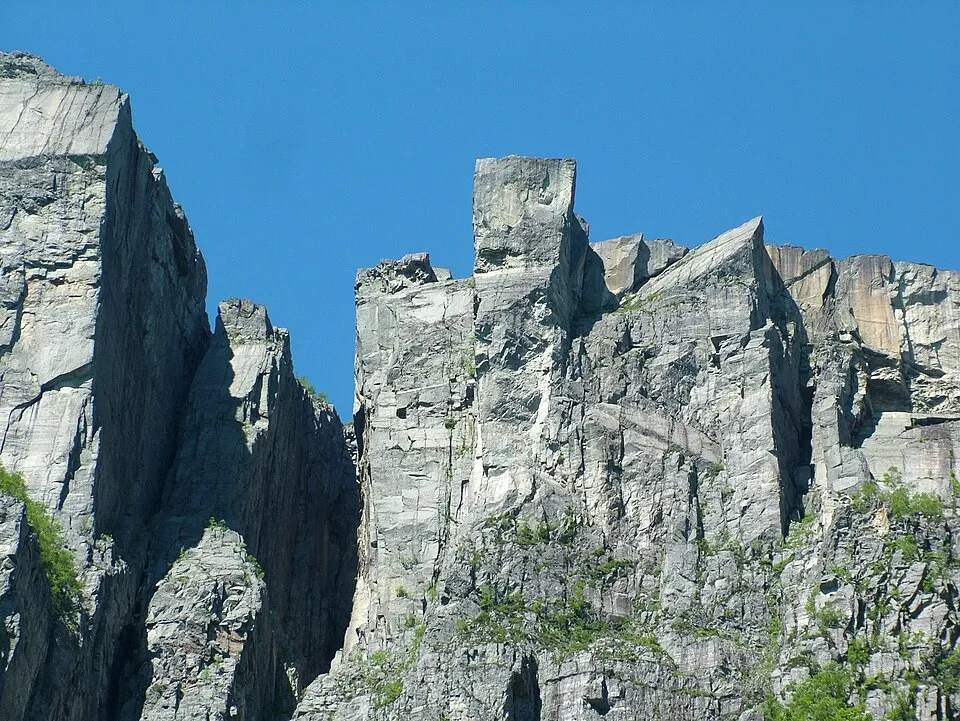
Preikestolen above the Lysefjord
SEE

Preikestolen

The flat-topped pulpit six hundred metres over the Lysefjord — the most achievable of the icons, open year-round with the main season May to October. It's a Stavanger trip (about fifty minutes from the city through the Ryfast tunnel), roughly five hours from Bergen; plan it as its own leg, not a day trip.

Lysefjord · MAP ↗
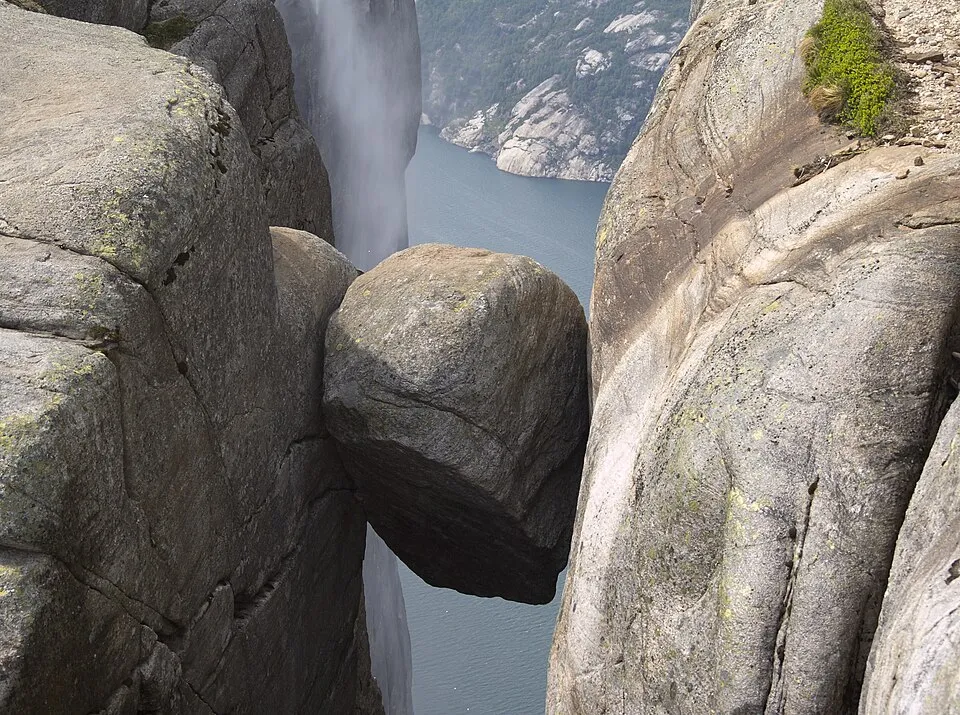
The Kjeragbolten boulder wedged in its crevice
SEE

Kjeragbolten

The boulder wedged in a mountain crack a kilometre above the Lysefjord. Access follows the Lysevegen road season, roughly May to November, and stepping onto the rock is optional in every sense. Also Norway's legal BASE-jumping capital, which sets the tone.

Lysefjord · MAP ↗
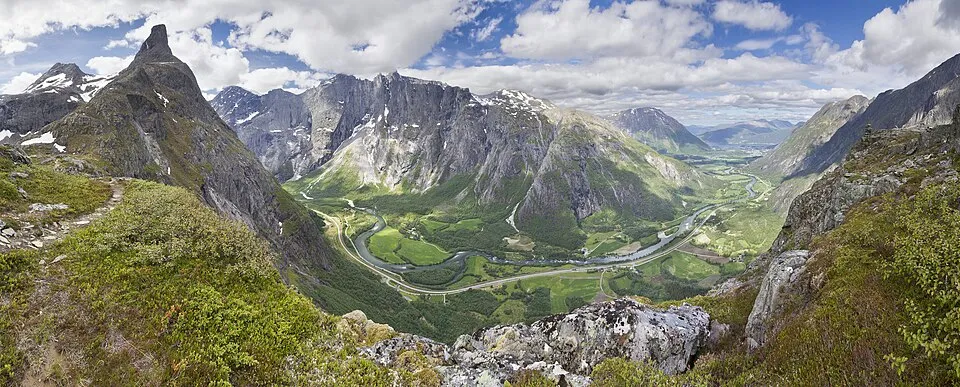
The Romsdalseggen ridge above Åndalsnes
SEE

Romsdalseggen

The connoisseurs' pick: a ten-kilometre ridge traverse above Åndalsnes with the Romsdal peaks stacked around you, official season July to September with a morning shuttle to the trailhead. Pairs naturally with Trollstigen, which starts up the valley.

Åndalsnes · MAP ↗
The Trolltunga ledge at sunset — where the route tops out
SEE

Trolltunga via ferrata

The vertical shortcut: three bolted rock walls (the tallest 250 metres) and an optional fifty-metre sky ladder, topping out near the famous ledge. May to November, minimum age fifteen.

Respect the exposure. These are unfenced mountain edges with real fatality histories — Trolltunga's first recorded fatal fall was in 2015, Preikestolen's most recent in 2024, and rescue distances are long. Weather turns fast; turn around when it does. The trails are free because Norway trusts you to take them seriously.
THE NORTHWEST

The northwest

Geiranger’s viewpoints, Ålesund’s Art Nouveau streets, and the fjords the cruise ships haven’t colonized.

The Geirangerfjord from the Dalsnibba summit
SEE

Dalsnibba Skywalk

Europe’s highest fjord view by road: 1,500 metres, reached up eleven hairpins of toll road, with the Geirangerfjord a vertical mile below.

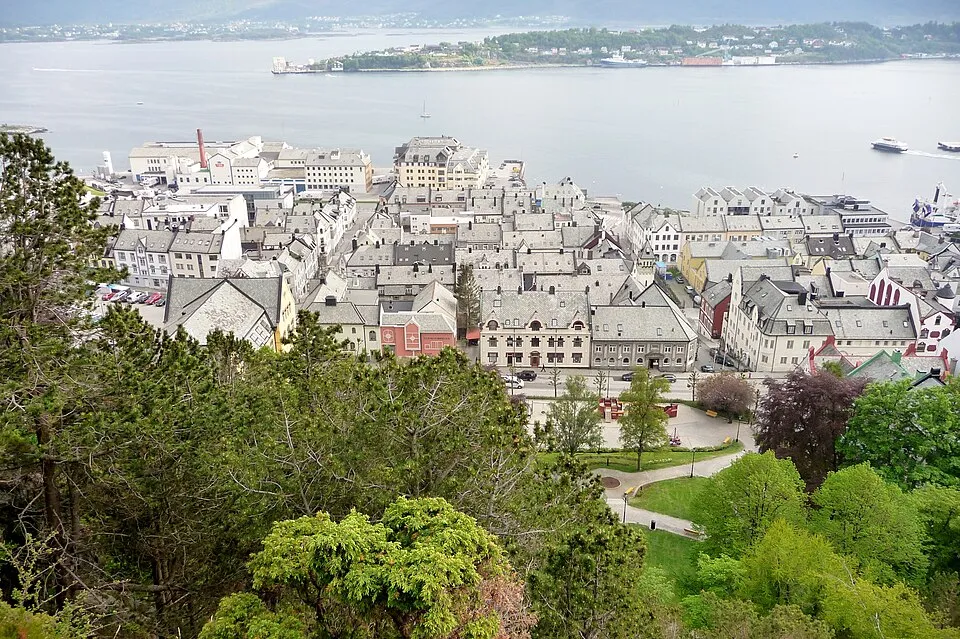
Ålesund’s Art Nouveau centre from Aksla
SEE

Ålesund & the Aksla steps

The Art Nouveau town rebuilt whole after the 1904 fire — climb the 418 steps to Fjellstua and the postcard writes itself.

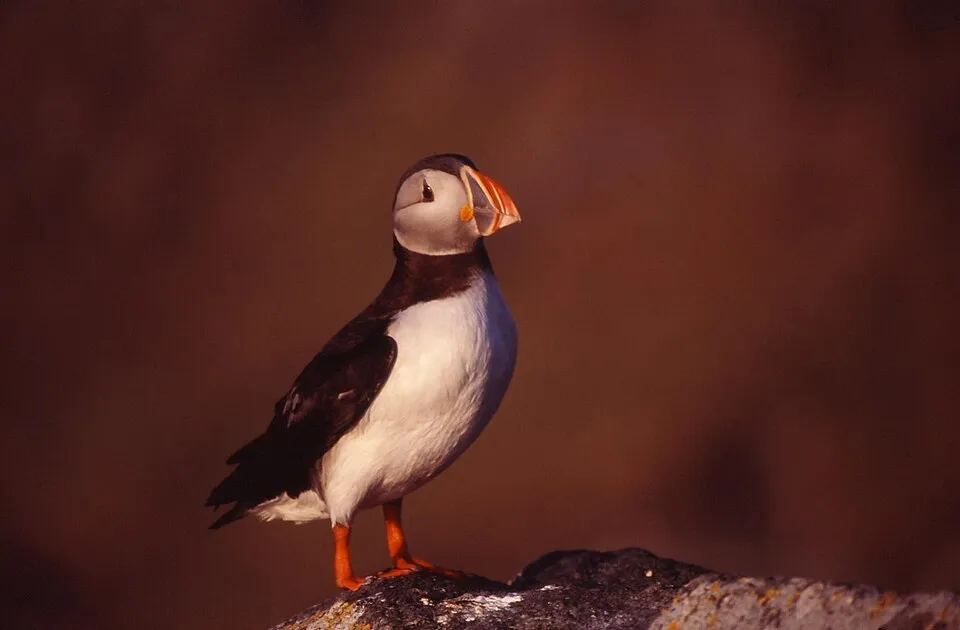
An Atlantic puffin on Runde
SEE

Runde bird island

A hundred thousand seabirds on one island — puffins from April to August, safaris from the harbor, and cliffs that earn the detour.

The gondola climbing toward Mt Hoven
SEE

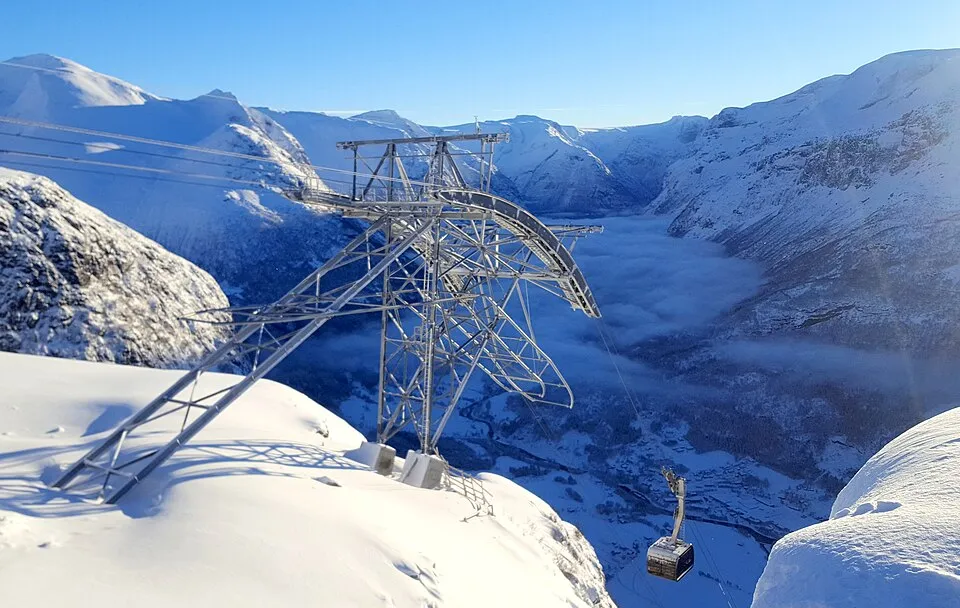
Loen Skylift

One of the world’s steepest cable cars: fjord shore to the top of Mt Hoven — a thousand metres — in five minutes. Via ferrata and ridge hikes from the top station.
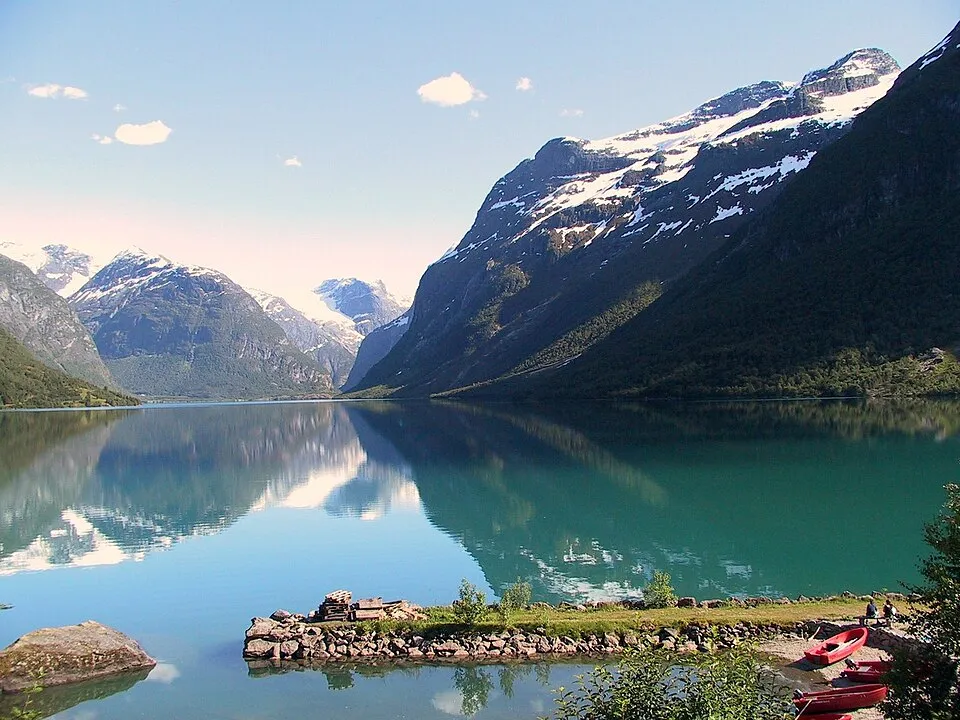
The turquoise lake framed by Lodalen
SEE

Lovatnet

A lake so turquoise it looks retouched — glacial flour from the Jostedal ice. Its beauty carries a dark history: rockslide waves here killed 135 people in 1905 and 1936.

The Sunnmøre Alps rising from the fjord
SEE

Hjørundfjord

The connoisseurs’ fjord — 35 kilometres between the jagged Sunnmøre Alps, no cruise crowds, express boat from Ålesund in summer.

THE DRIVES

The drives

Two of the world's famous roads bracket the region's north end — both free, both seasonal in spirit.

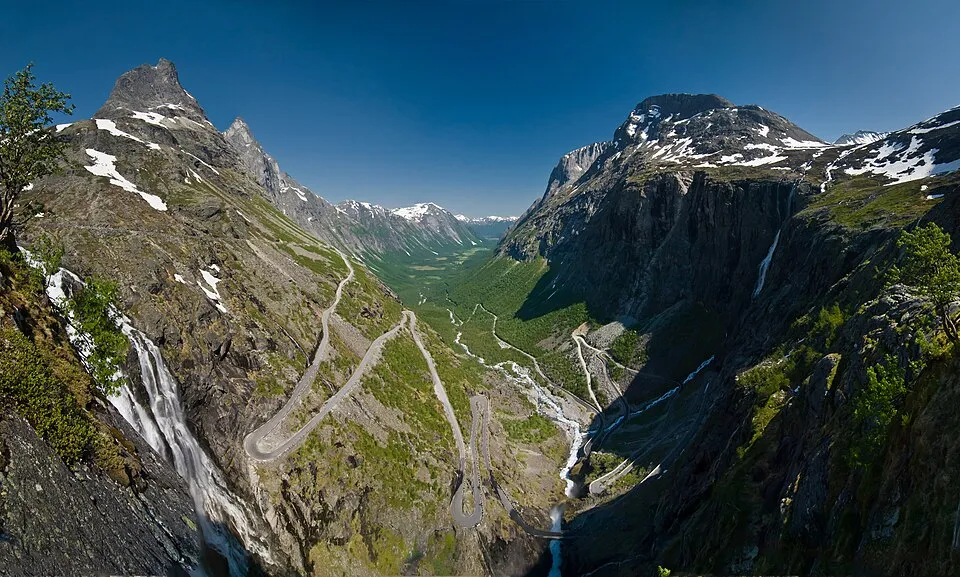
The Trollstigen hairpin road
SEE

Trollstigen

The eleven hairpins are back: after the 2024 rockfall closure and a season of protective works, the road reopened in July 2025 and opened record-early for 2026, with a normal season expected into October. It still closes at short notice in heavy rain — check road status the morning you drive it, and don't build a tight schedule on it.

Free · Fv63 · MAP ↗
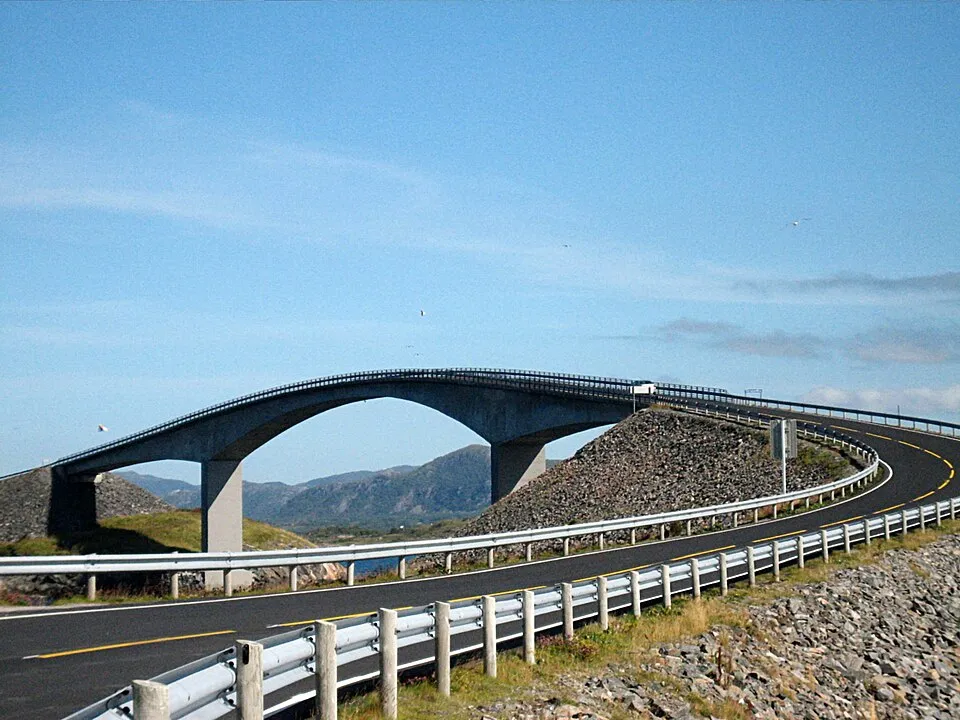
The Storseisundet bridge on the Atlantic Ocean Road
SEE

Atlantic Ocean Road

Thirty-six kilometres of causeways and eight bridges skipping between skerries on the open Atlantic, toll-free and open year-round. In a storm it's cinema; in sunshine it's a picnic route. The far northern anchor of the loop — budget the extra day honestly.

Free · Fv64 · MAP ↗
LYSEFJORD & STAVANGER

Lysefjord & Stavanger

The southern annex — a Stavanger trip, not a Bergen day out. Pulpit Rock’s fjord, the 4,444 stairs, and the old town.

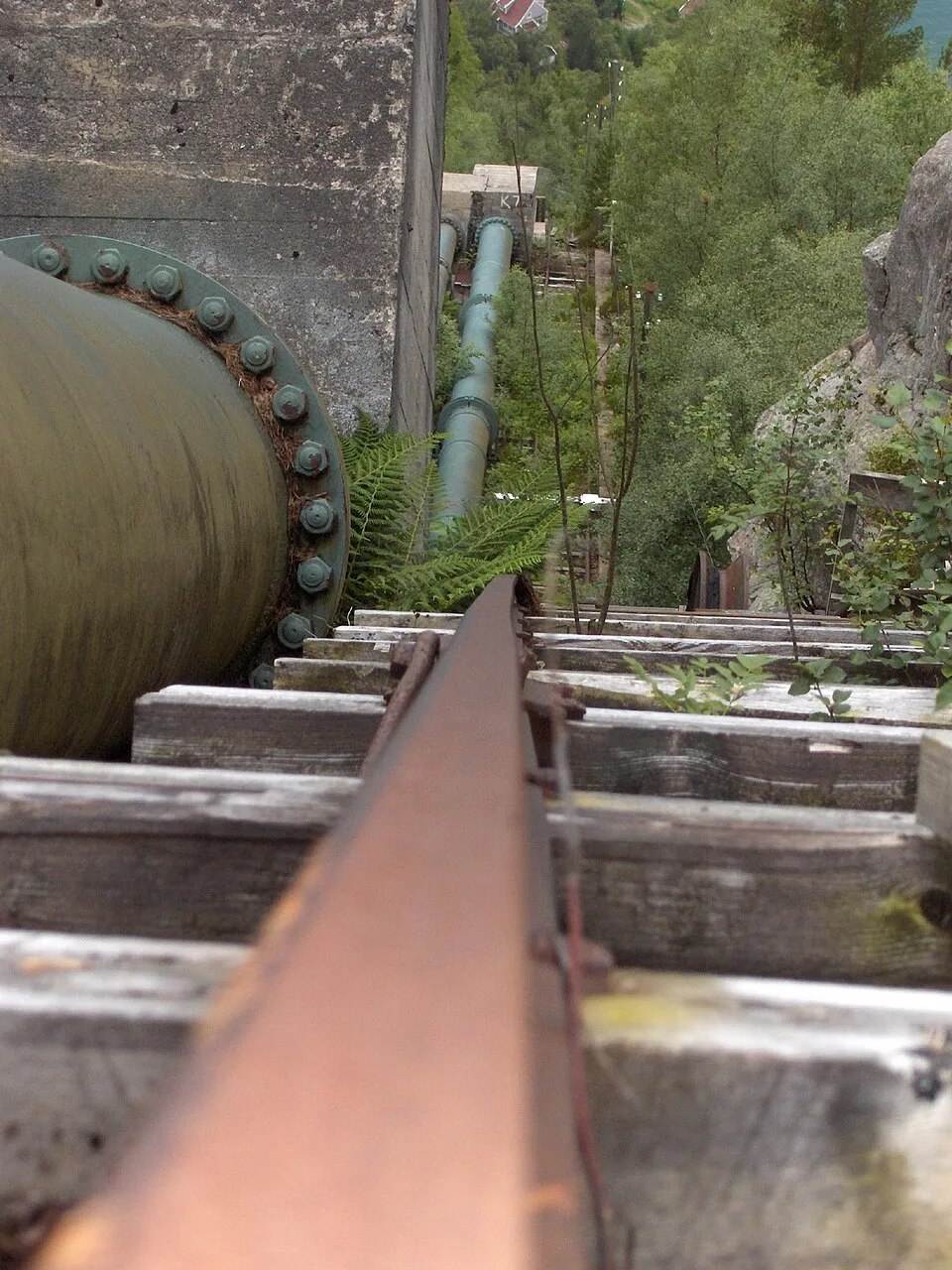
The stairway beside the pipeline
SEE

Flørli 4444

The world’s longest wooden stairway: 4,444 steps up 750 metres beside an old penstock, in a roadless fjord hamlet reached only by ferry.

Preikestolen seen from the fjord below
SEE

Lysefjord cruise

A silent electric catamaran out of Stavanger, three hours under Preikestolen’s 604-metre wall and past Hengjanefossen. Runs year-round.

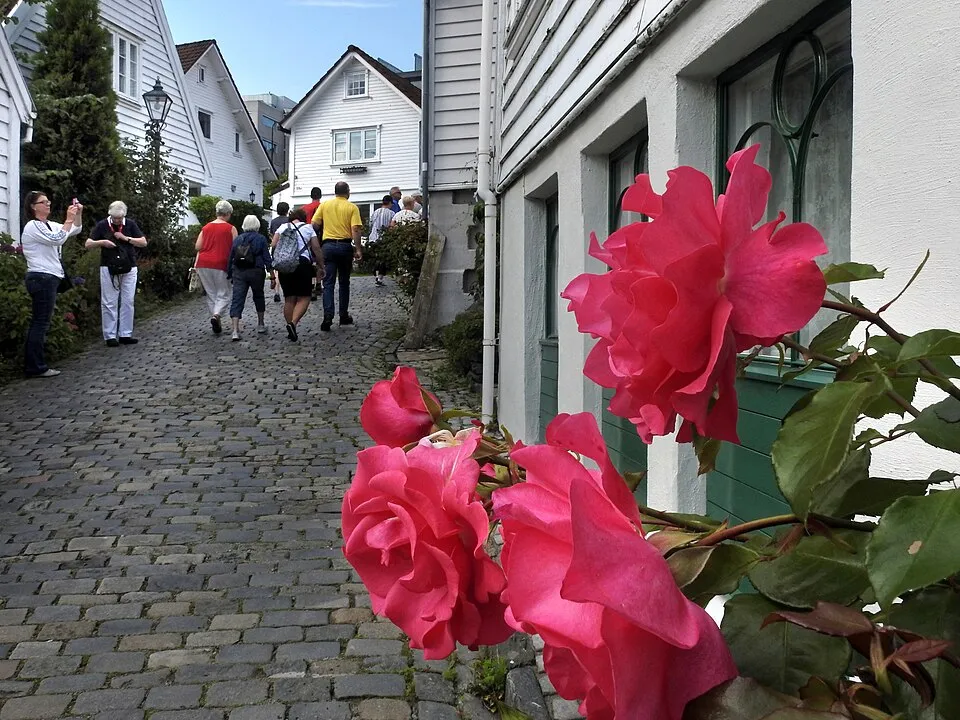
A flower-decked lane of white houses
SEE

Gamle Stavanger

A hundred and seventy-three protected white wooden houses on cobbled lanes — the best-kept old town on this coast, free to wander.

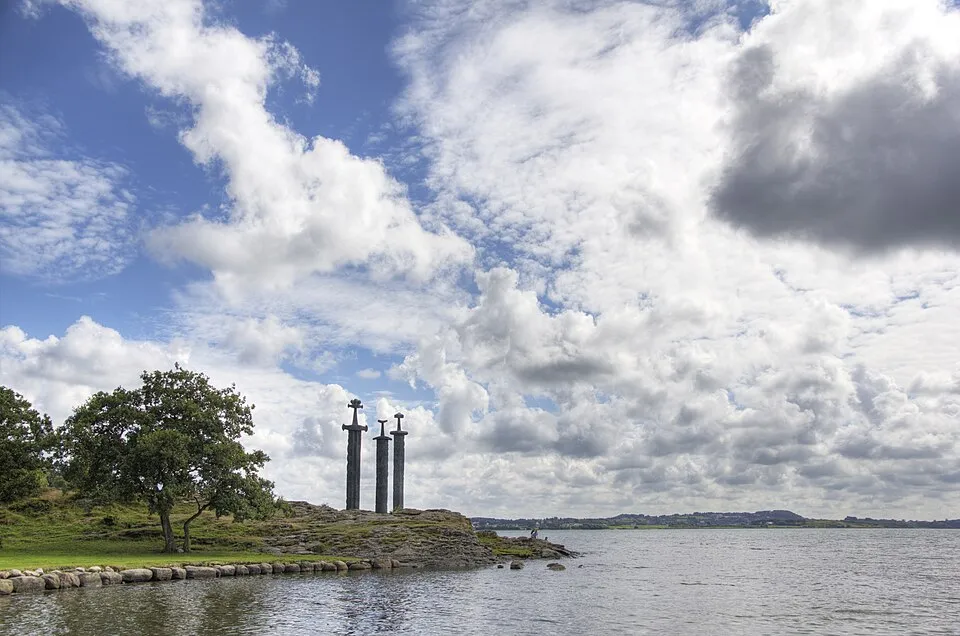
The three swords at the Hafrsfjord shore
SEE

Sverd i fjell

Three giant bronze swords planted in the rock at Hafrsfjord, marking the 872 battle that unified Norway — hilts modelled on real Viking finds.

EAT

Eat

Bergen quietly became a food city: it now holds a two-star, a one-star, and a 1708 tavern on the wharf. All checked and trading; the 2026 Michelin list is the current one.

Bergen seen from Fløyen
EAT★★ MICHELIN 2026

Gaptrast

The team behind the much-missed Bare resurfaced in 2024 and took two stars in the 2026 guide — Bergen's biggest table, and the hardest booking in western Norway. Plan weeks ahead.

$$$$ · Bergen · MAP ↗
The KODE 4 building housing Lysverket, Bergen
EAT★ MICHELIN 2026

Lysverket

Modern Norwegian inside the KODE 4 art museum — west-coast seafood treated like the gallery pieces upstairs. Tuesday to Saturday, book ahead.

$$$$ · Bergen · MAP ↗
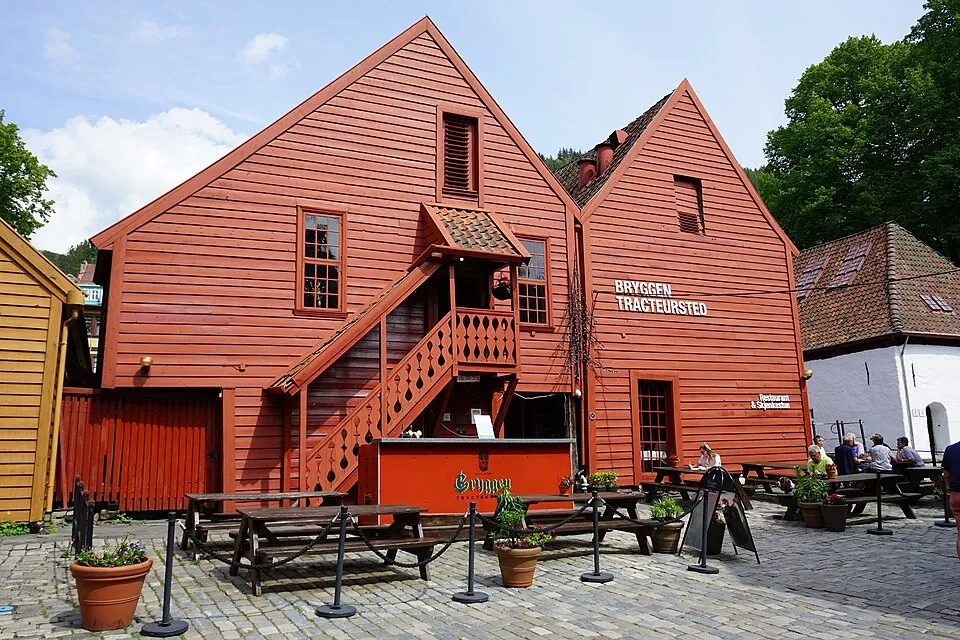
Bryggen Tracteursted's historic buildings
EAT

Bryggen Tracteursted

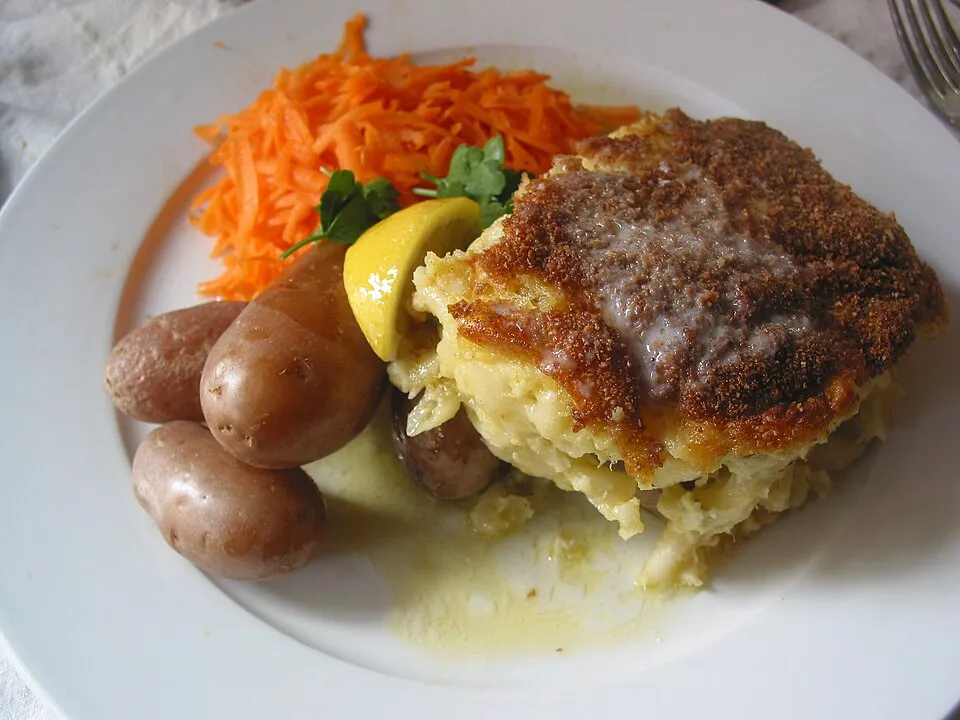
Eating inside the World Heritage site: a tavern operating in Bryggen's 1708 assembly rooms, serving the classics — bacalao, fish soup, reindeer — where the Hanseatic merchants ate theirs.

$$$ · Bryggen · MAP ↗
The island setting of Cornelius seafood restaurant
EAT

Cornelius Sjømatrestaurant

The dinner that starts with a boat: twenty-five minutes across the fjord to a private island where the menu follows that morning's catch. Summer lunches run May through August; the evening boat goes year-round.

$$$$ · by boat from Bergen · MAP ↗
A Bergen street near Pingvinen
EAT

Pingvinen

The antidote to tasting menus: meatballs, raspeballer and lapskaus like somebody's grandmother is in the kitchen, at the most forgiving prices in the city center. No reservations needed, just turn up.

$$ · Bergen · MAP ↗
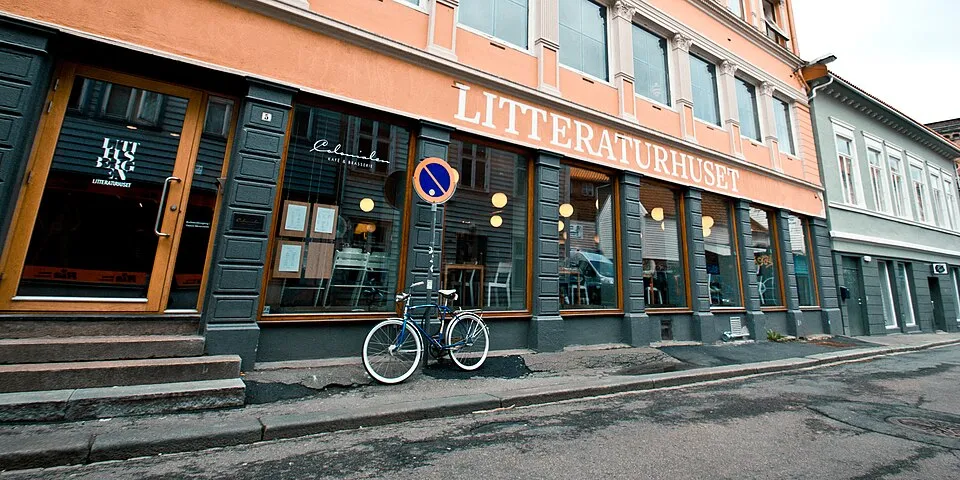
The Litteraturhuset building, home of Colonialen LITT
EAT

Colonialen

Bergen’s food family since 2005: the SANN set-menu restaurant, the LITT bistro in the literature house, and a wine bar for afterward.

STAY

Stay

The western fjords kept their grand nineteenth-century hotels, and they are the move: sleep where the Victorians did, wake up to the same water.

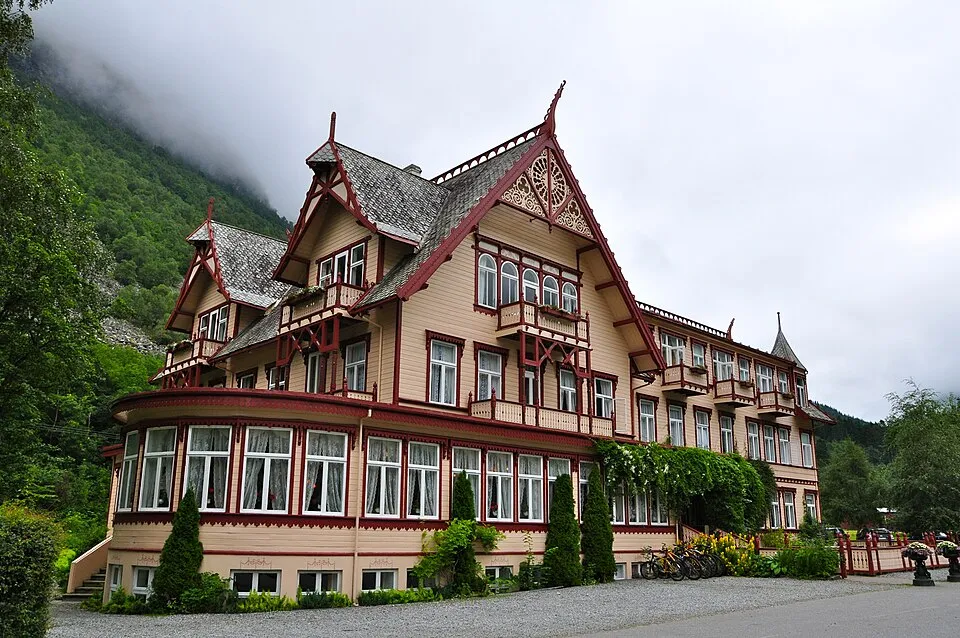
Hotel Union Øye on the Norangsfjord
STAY

Hotel Union Øye

An 1891 wooden grand hotel at the innermost end of the Norangsfjord, restored to full velvet-and-brass drama. The detour of the region — remote enough that arriving feels earned.

$$$$ · Norangsfjord · MAP ↗
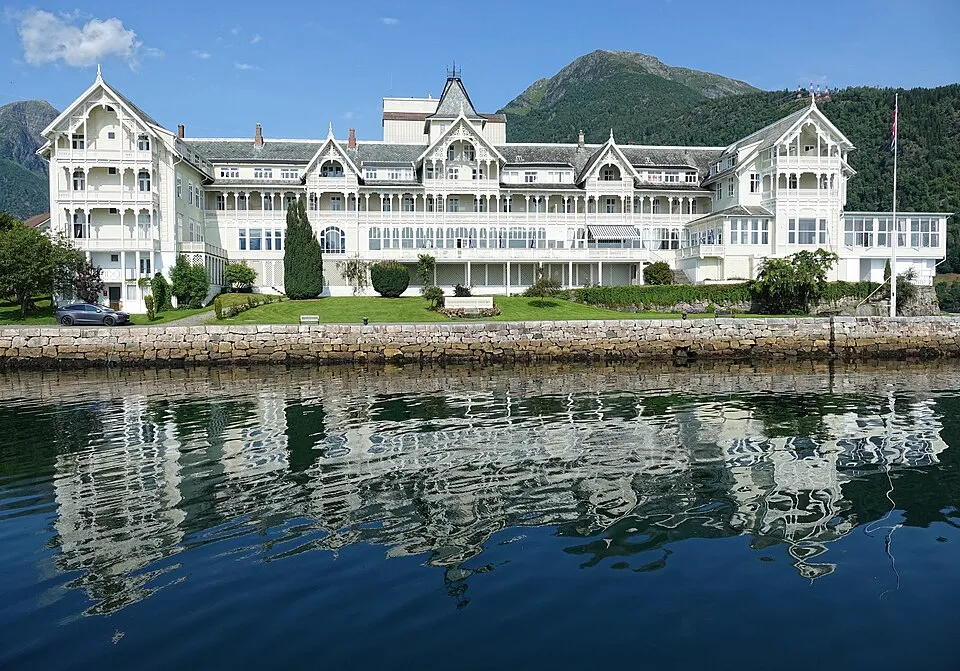
Kviknes Hotel on the Sognefjord at Balestrand
STAY

Kviknes Hotel

The huge white wooden pile at Balestrand that has hosted Sognefjord travelers since 1877 — kaiser-era salons, fjord-facing balconies, and a seasonal rhythm to respect: it runs April through October.

$$$ · Balestrand · MAP ↗
Hotel Union Geiranger above the fjord
STAY

Hotel Union Geiranger

Run by the same family since 1891, perched above the UNESCO fjord with a spa and a vintage-car cellar. The sensible base for the Geiranger–Trollstigen leg — book early in cruise season.

$$$ · Geiranger · MAP ↗
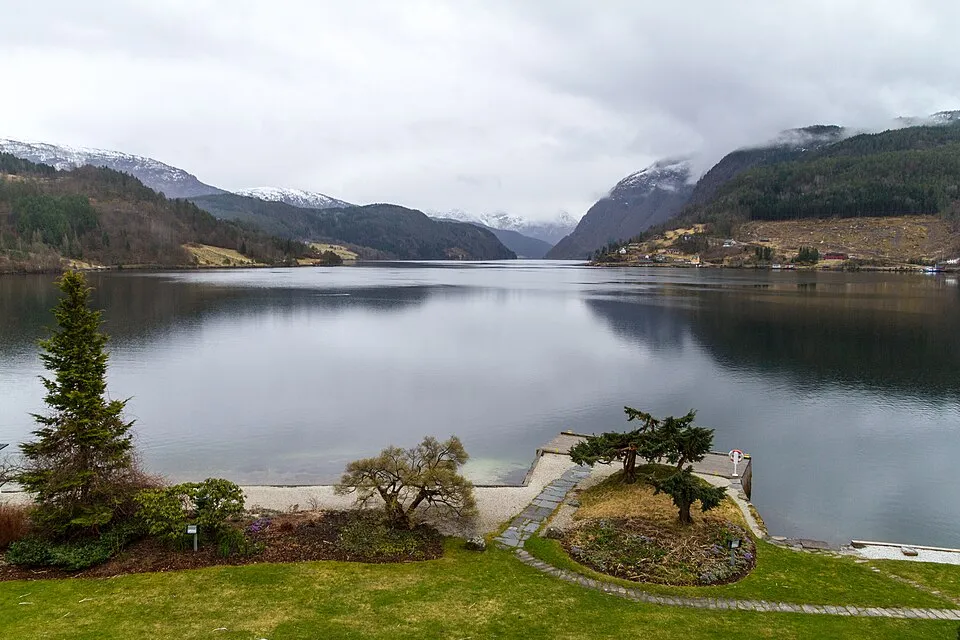
Brakanes Hotel at the water's edge in Ulvik
STAY

Brakanes Hotel

Right on the waterline at Ulvik, where the Hardangerfjord goes glassy at dusk. The natural overnight for the Trolltunga leg — the trailhead shuttles are under an hour away.

$$$ · Ulvik · MAP ↗
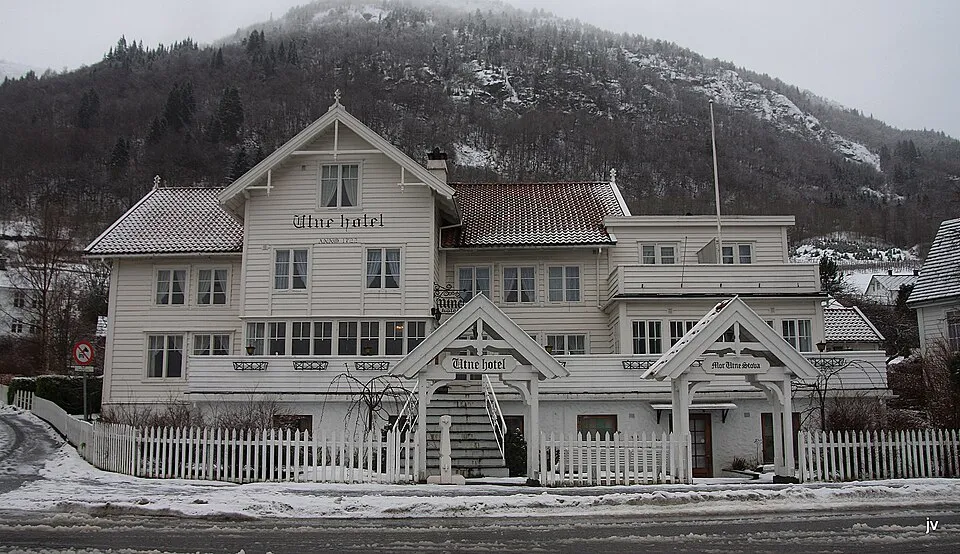
The white wooden Utne Hotel
STAY

Utne Hotel

A small white wooden inn at the tip of the Folgefonn peninsula, in operation since 1722 and often cited as Norway's oldest hotel. Twelve-ish rooms, a set dinner, and the kind of quiet that explains the whole region.
$$$ · Hardanger · MAP ↗
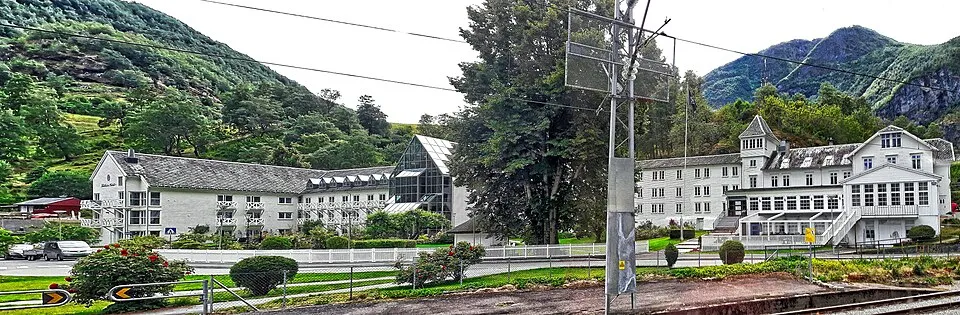
The hotel and its white tower at Flåm
STAY

Fretheim Hotel

The Swiss-style grande dame at the Flåm railway terminus — 122 rooms, white tower, and the fjord at the door. The natural Nutshell overnight.

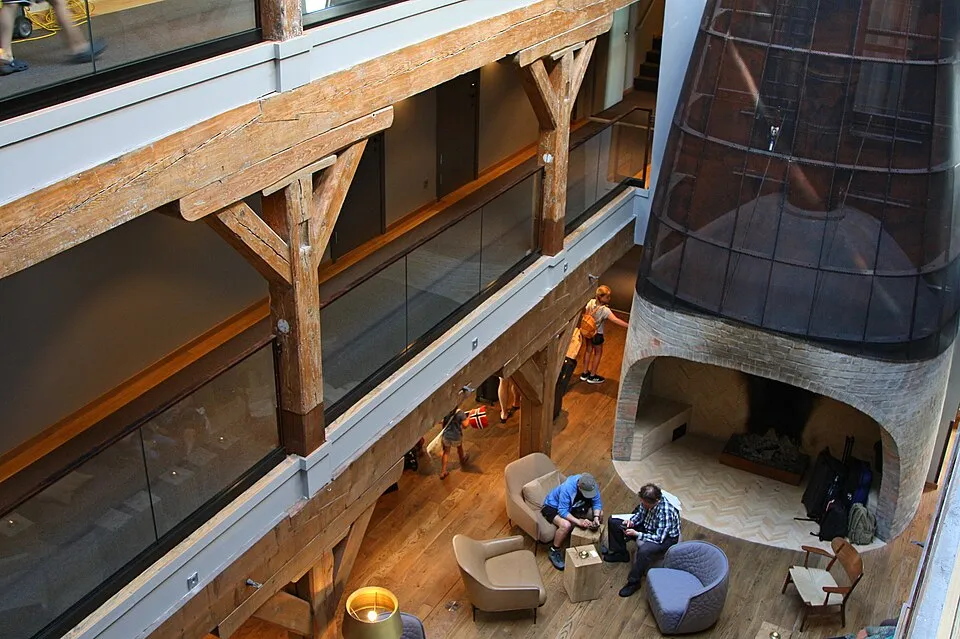
The warehouse lobby fireplace
STAY

Hotel Brosundet, Ålesund

A 1907 harbourside warehouse with Snøhetta interiors — and one bookable suite inside the Molja lighthouse, breakfast delivered to the door.

FAQ

What fits in one week?

From Bergen: two city days, two on the Flåm–Nærøyfjord run, then either Trolltunga or the Geiranger–Ålesund–Trollstigen loop. Bergen–Ålesund is 420 km but 7.5 hours with two ferries — fjord distances lie, and this guide won't.

Do you need a guide for Trolltunga?

Not from June through September — that's the self-guided season. Outside it the official advice is guided tours only; treat that recommendation like a rule.
Is Trollstigen open?

Yes — reopened in 2025 after the rockfall closure, and open record-early for 2026 with a normal season expected into October. It can still shut at short notice in heavy rain; check road status the morning you drive.

How expensive is it, really?

About 29% above the EU price average overall; restaurants and hotels run ~40% above and alcohol roughly double. Cards work literally everywhere — only ~3% of payments in Norway are cash.

When to go?

June–September for hikes and mountain roads. Bergen works year-round if you dress for its 2.5 metres of annual rain — the locals do.

Practical notes

  • Money: cards everywhere, cash nearly extinct (~3% of payments). No need to carry kroner.
  • Driving: tolls and many ferries are all-electronic (AutoPASS) — visitors either register the plate at Epass24 or get invoiced with a lookup fee. Ferries are drive-on; the tag gets read automatically.
  • Right to roam: allemannsretten lets you walk and camp on uncultivated land — 150 m from houses, two nights max in one lowland spot, leave no trace.
  • Tourist tax: none anywhere in Norway in 2026 — the new law exists, but no municipality collects before 2027.
  • Fjord boats: since January 2026 the small passenger boats in the World Heritage fjords are zero-emission; the big cruise ships have until 2032.
  • Weather: yr.no is the national forecast and the locals' scripture. Mountain roads and trails close on it.