SEE
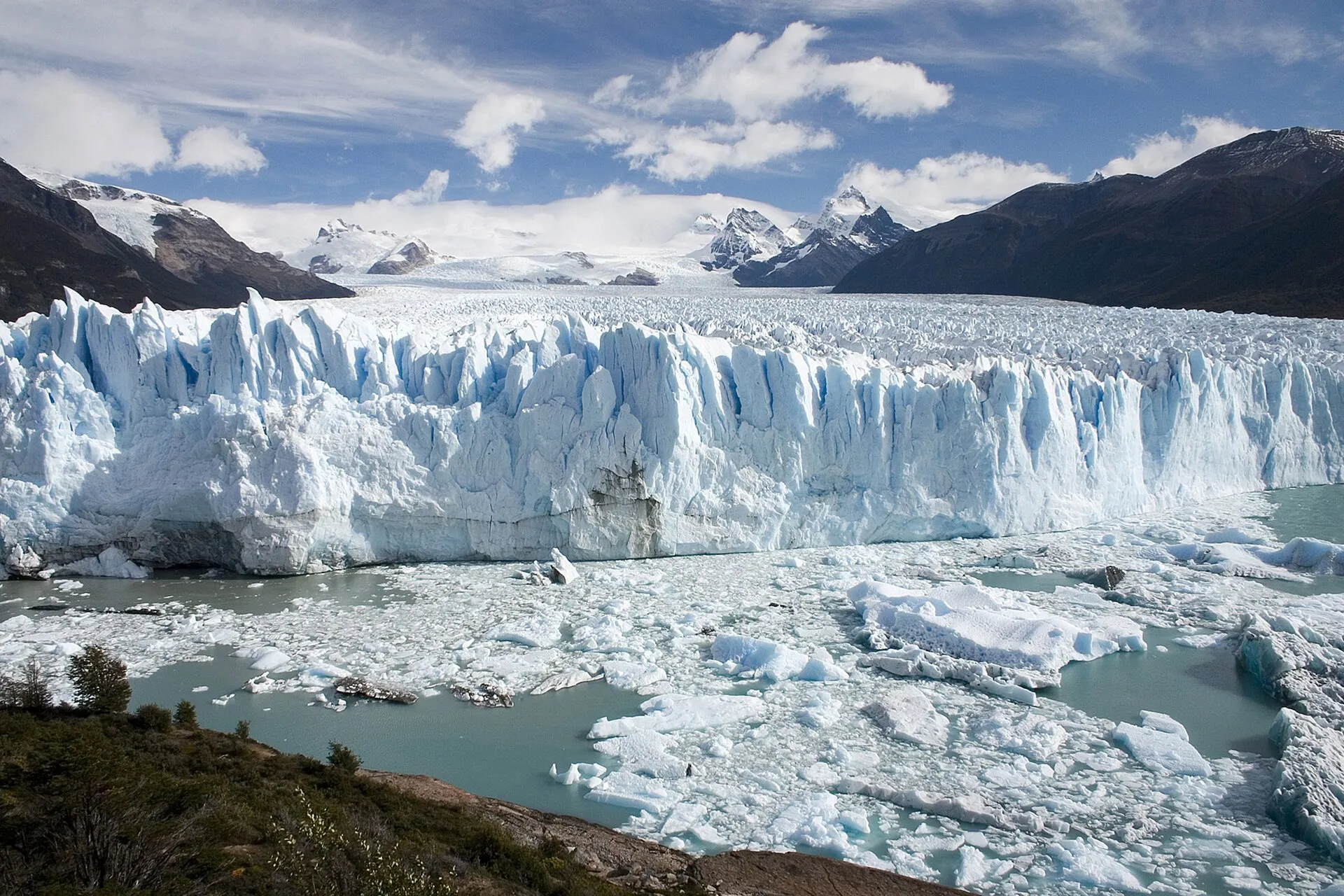
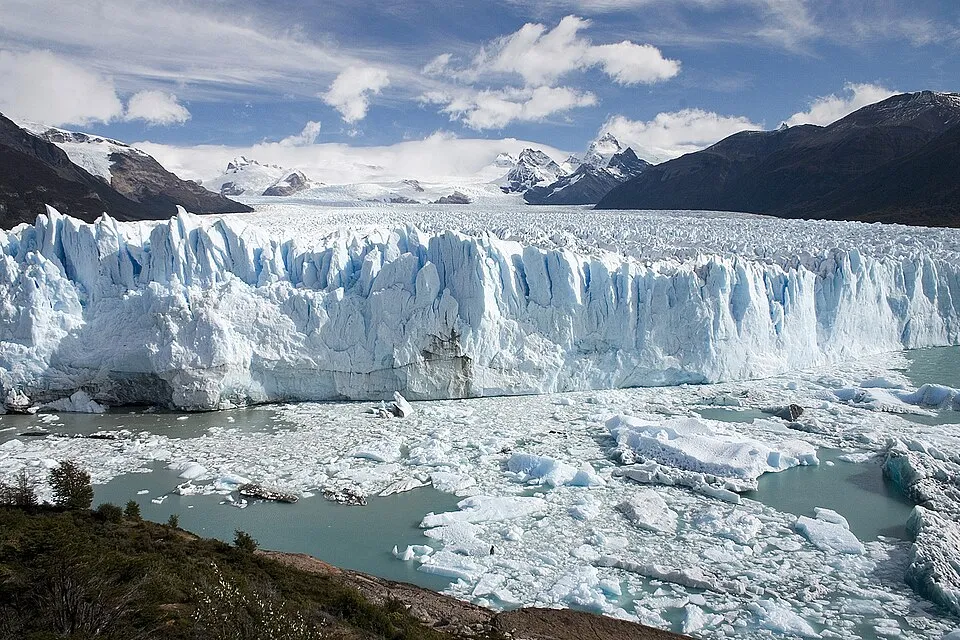
Perito Moreno boardwalks
Four balcony circuits face the glacier’s seventy-metre front — open year-round, ramps included, and the ice calves whether you’re ready or not.
Two towns, one park, one entry fee: El Calafate for the glaciers, El Chaltén for the granite. They share an airport and a three-hour bus, and they run on southern-summer time — December to February for the big trails, though the glacier works year-round, and as of this winter you can walk on it in July for the first time since 1989.
The park’s southern gate. One entry fee (foreigners, set June 2026 at ARS 50,000, online only) covers both the glacier and the El Chaltén trails; winter park hours run 9:00–16:00.
Four balcony circuits face the glacier’s seventy-metre front — open year-round, ramps included, and the ice calves whether you’re ready or not.
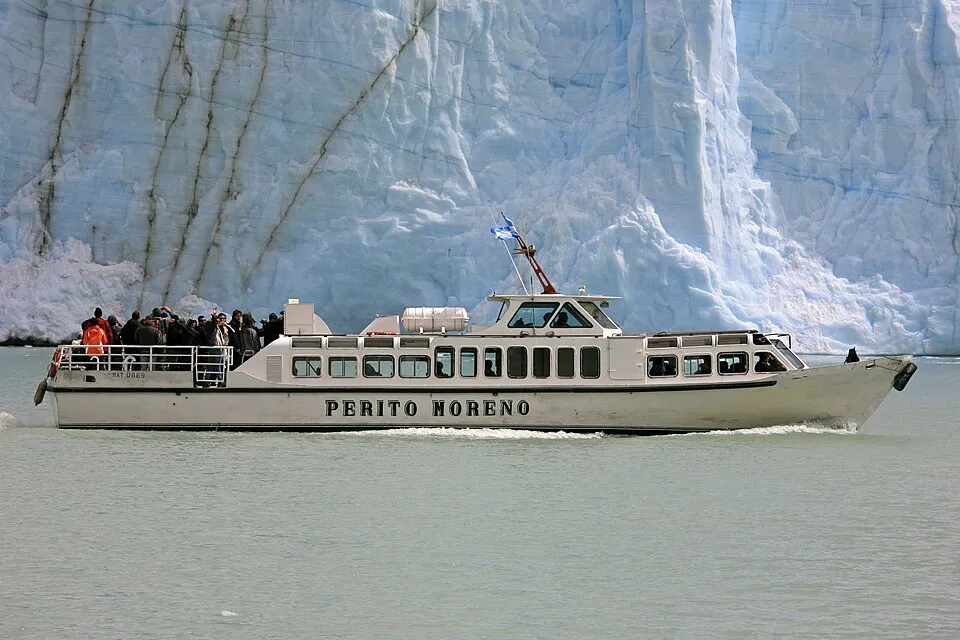
An hour on the lake, pausing four hundred metres off the glacier’s south wall — runs every day of the year, even midwinter.
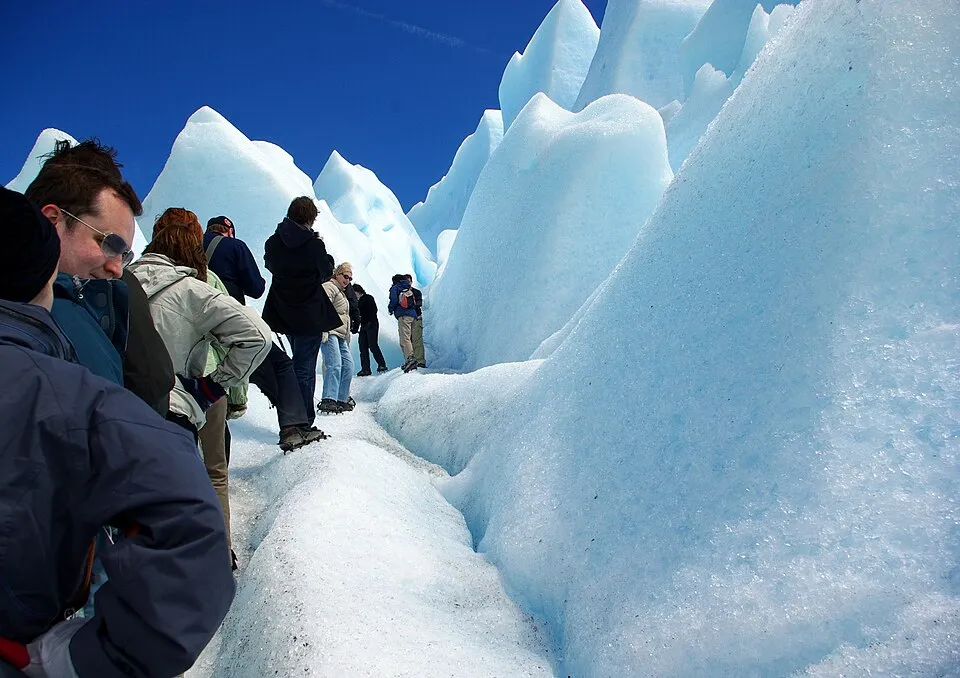
Crampons on, ninety minutes walking the ice itself. New for 2026: it runs year-round for the first time since 1989 — winter included. Ages 18–65, strictly.
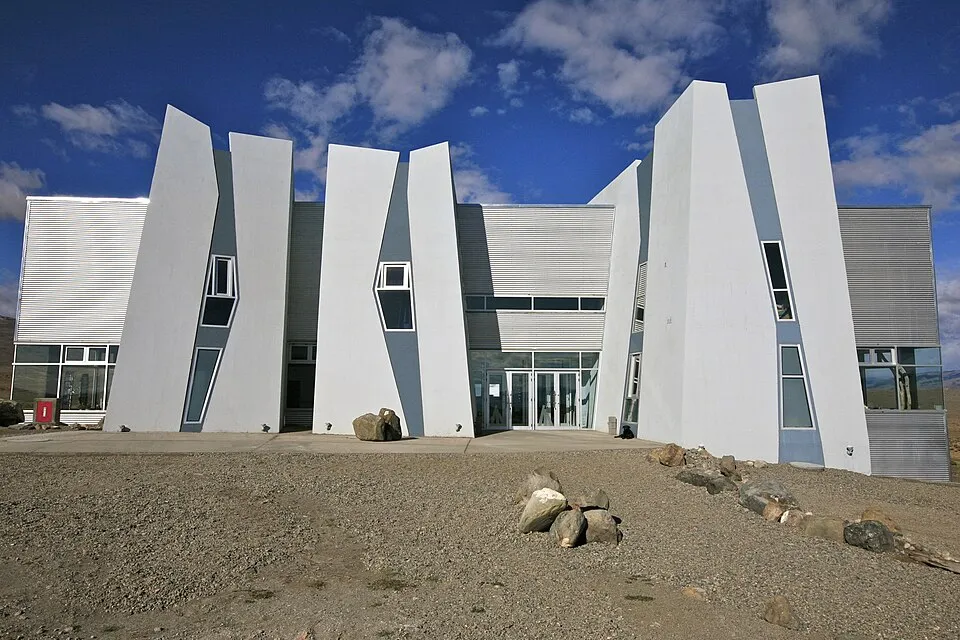
The ice museum on the steppe — glaciology done properly, plus a bar carved from ice at minus ten where the drinks come in frozen glasses. Free shuttle from town.
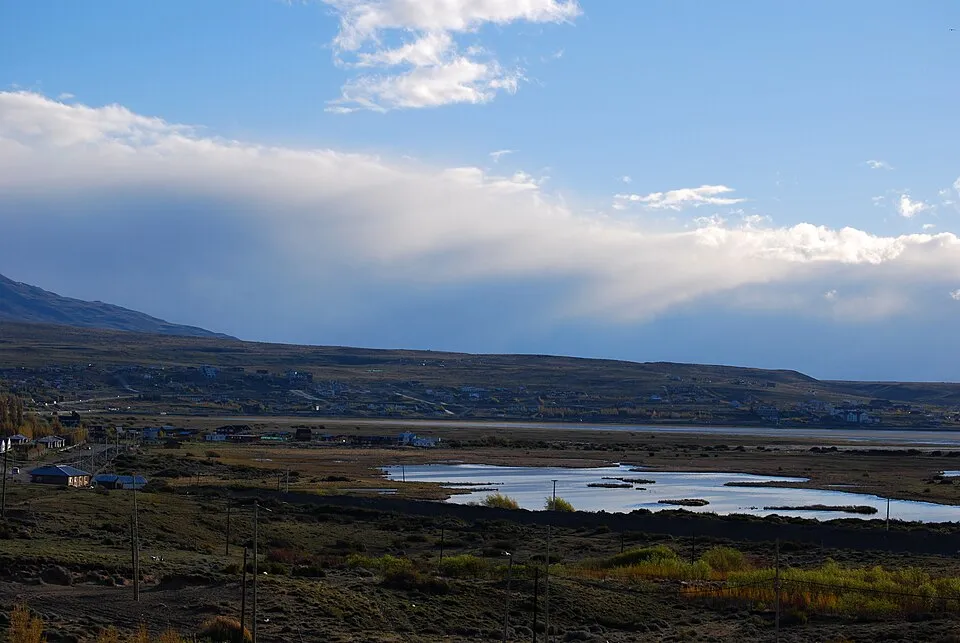
A flamingo-filled lagoon reserve a ten-minute walk from downtown El Calafate — three flat kilometres of birdlife against Lago Argentino.
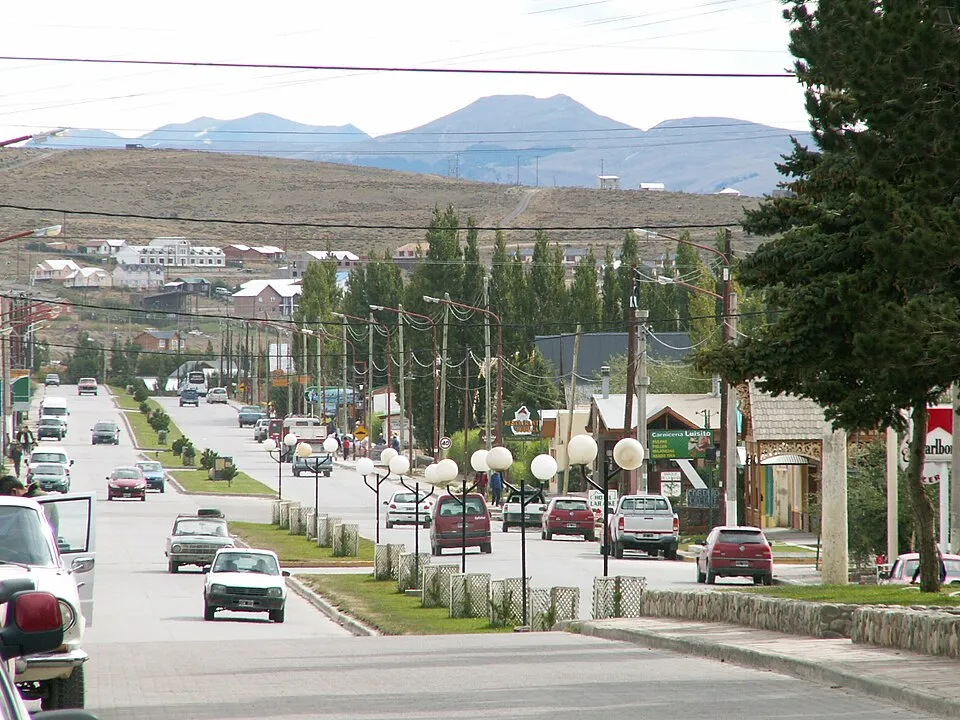
The base town: one long avenue of parrillas, outfitters and calafate-berry everything. Eat the berry — legend says it brings you back.
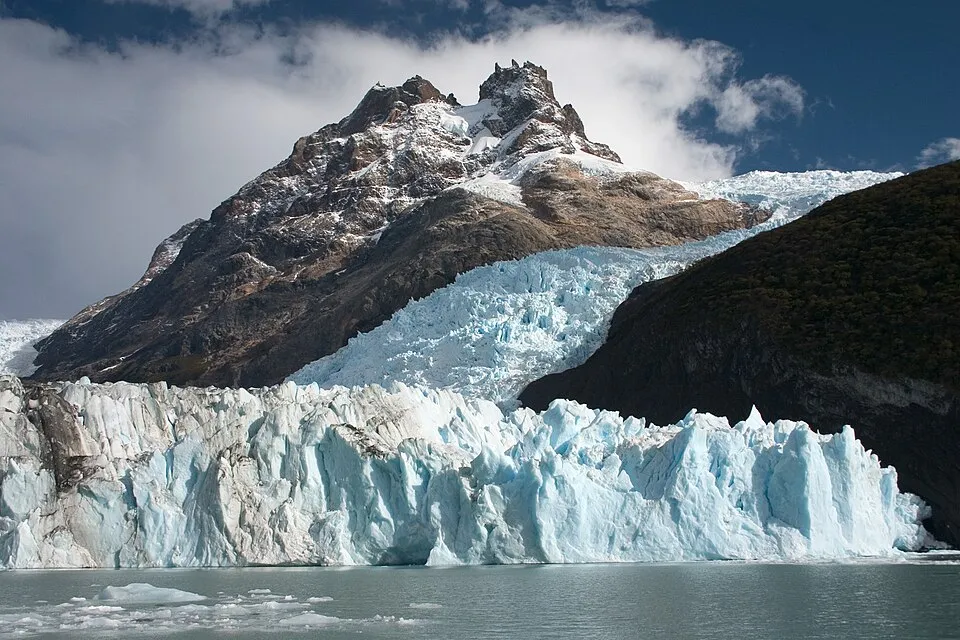
The full-day boat to the park’s giants — Spegazzini’s front rises 135 metres, half again taller than Perito Moreno. Runs year-round from Punta Bandera.
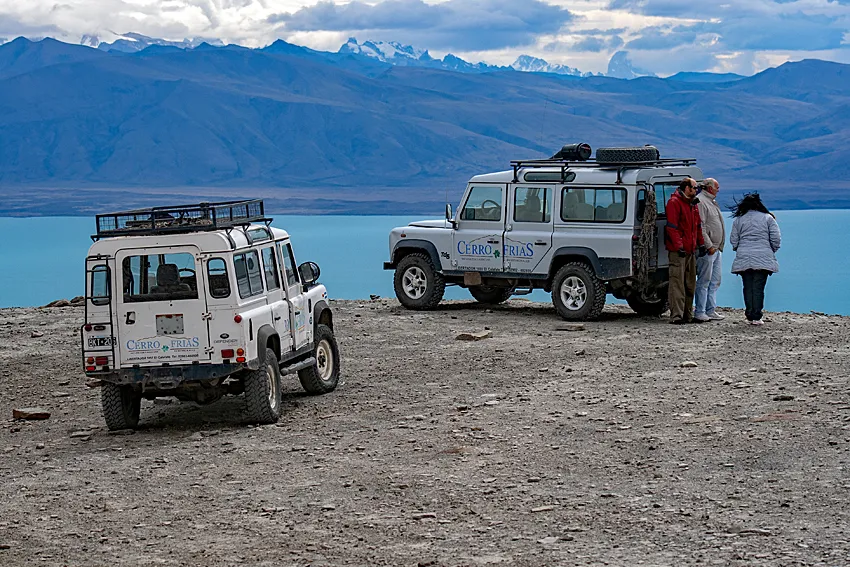
The adventure hill between town and the park — 4x4s, horseback, and a four-stage zipline over the steppe with Torres del Paine on the horizon on clear days.
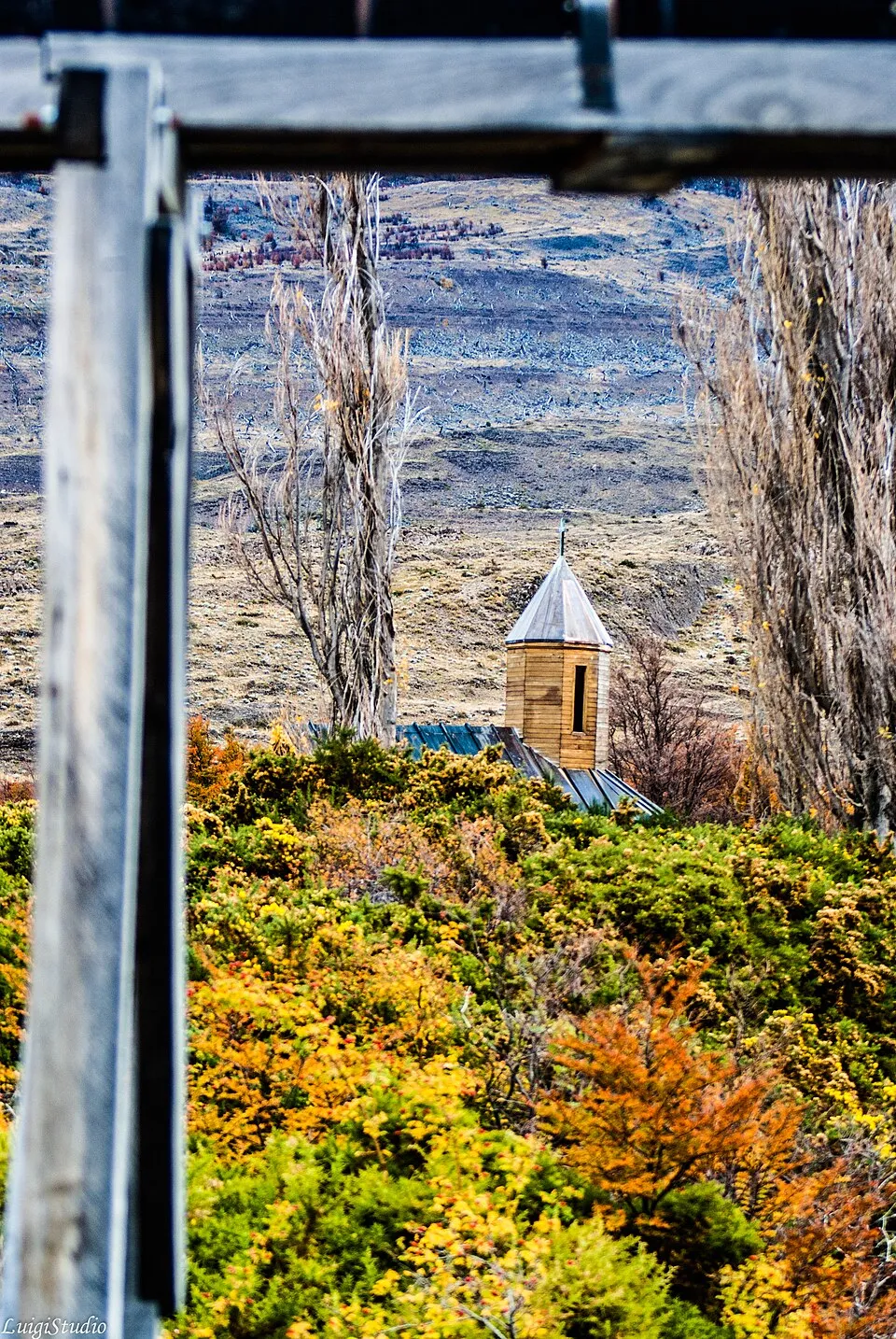
A century-old estancia reachable only by catamaran up the lake’s far arm — a ten-hour day of glaciers, canyons and sheep-station history. Summer only: October to April.
Argentina’s trekking capital sits inside the park, so the trails start at the end of the street. From May to September registration is mandatory before you walk.
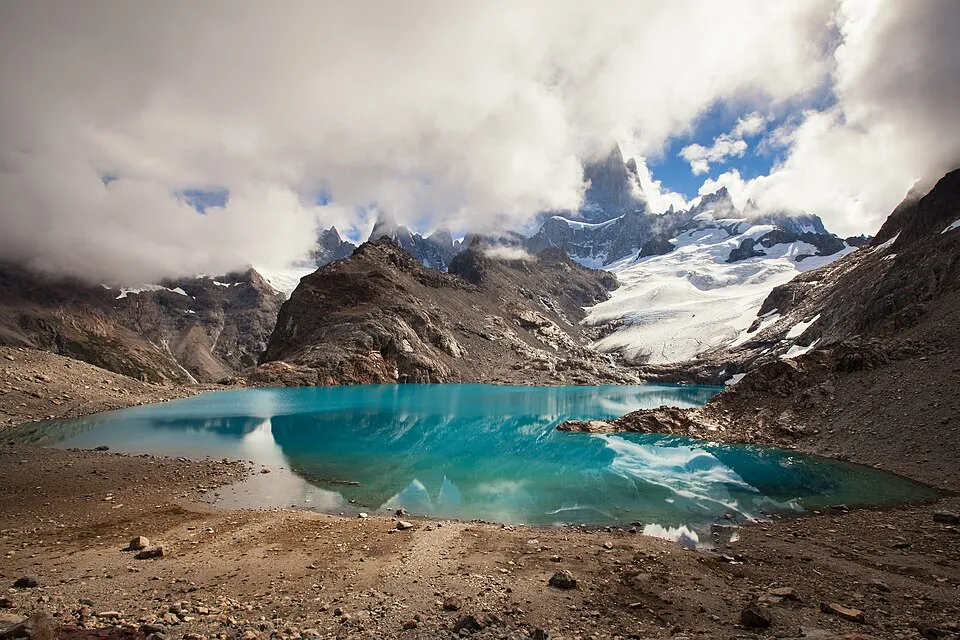
The Fitz Roy pilgrimage: twenty-five kilometres round trip, brutal final hour, and the granite spires filling the sky above a turquoise lake. Register first May–September.
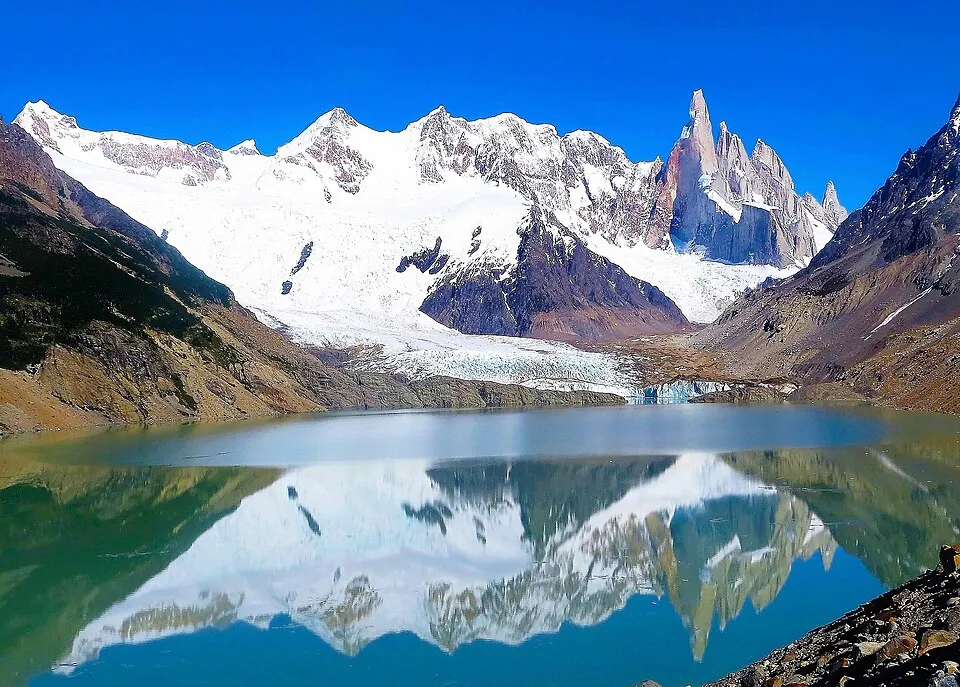
Eighteen kilometres to the lake below Cerro Torre’s impossible needle — gentler than the Fitz Roy trail, with icebergs drifting off the glacier at the end.
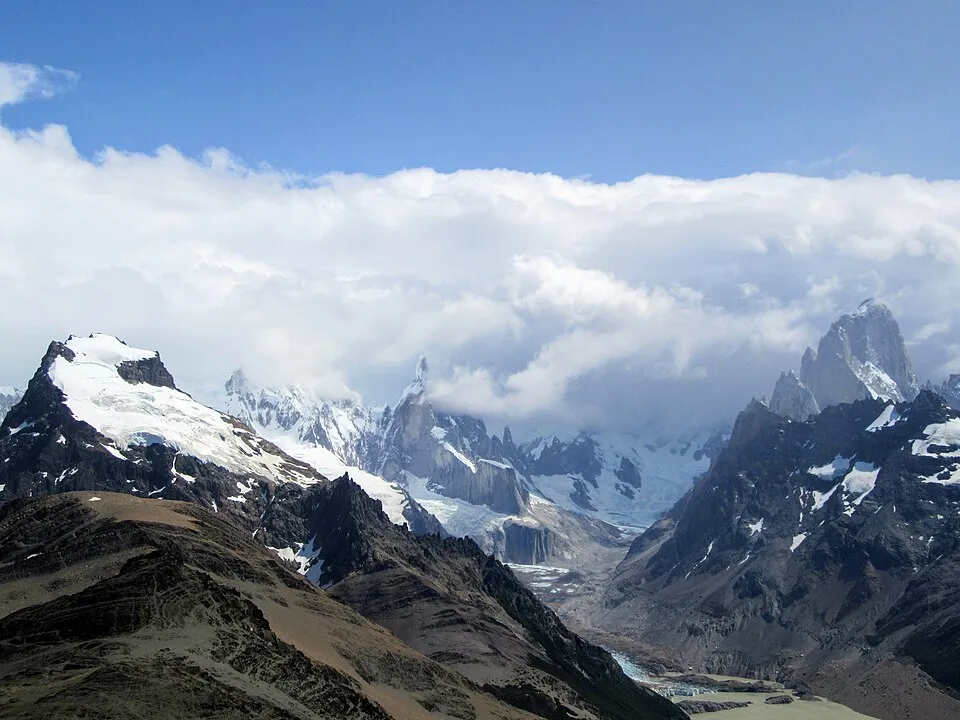
The viewpoint hike guides pick for themselves: both Fitz Roy and Cerro Torre in one frame, twenty kilometres round trip from the visitor centre.
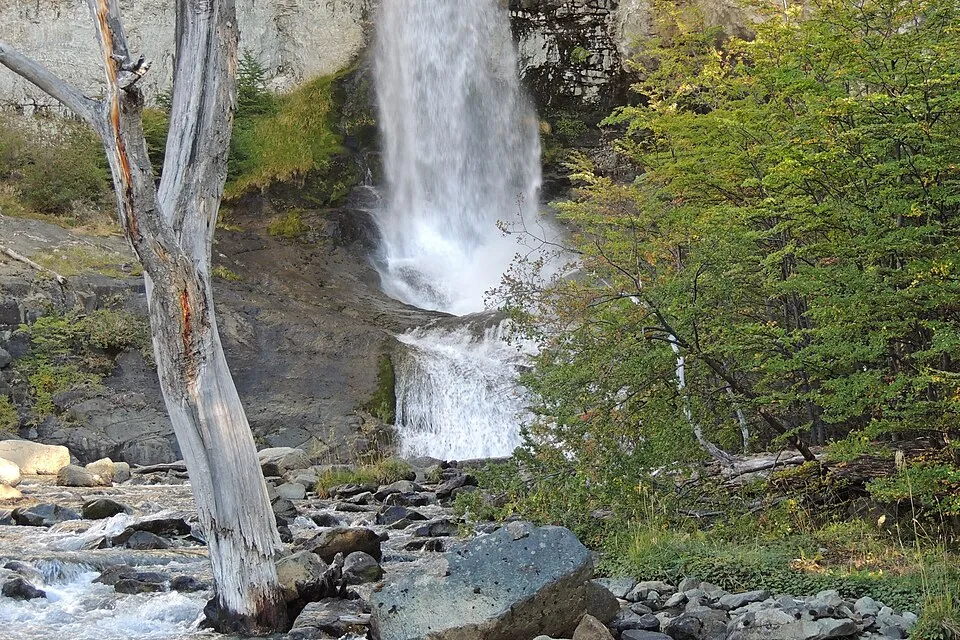
A twenty-metre waterfall in lenga forest, under four kilometres from town on flat ground — the rest-day walk.
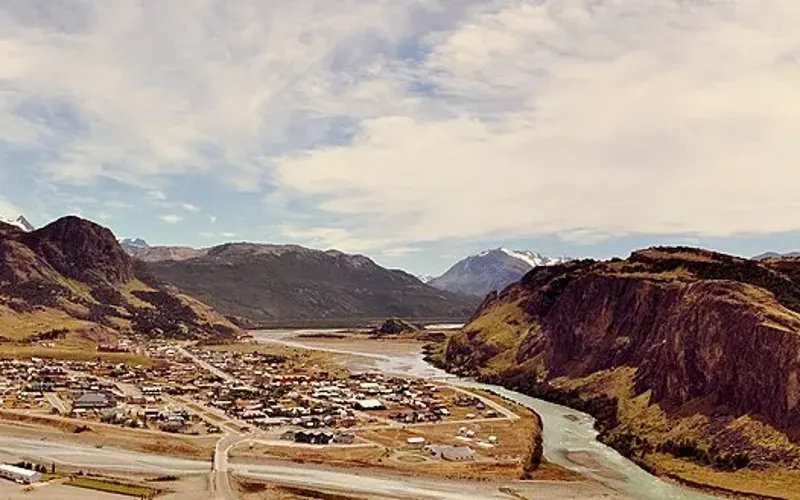
An hour’s stroll from the visitor centre to a condor-patrolled overlook with the whole town and the massif behind it. Do it your first evening.
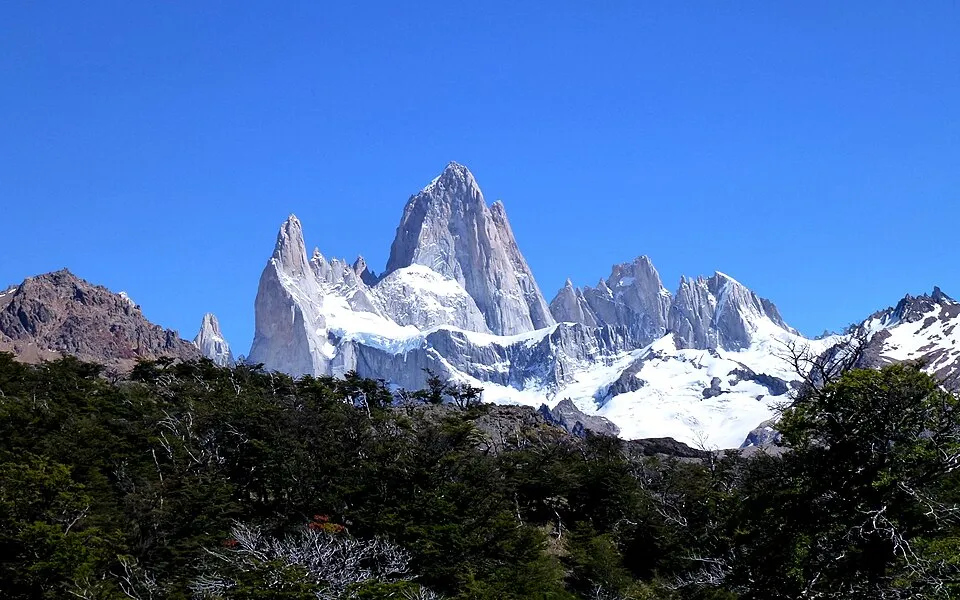
The short version of the Fitz Roy trail — eight kilometres round trip to a lakeside camp with the full mountain view for a third of the effort.
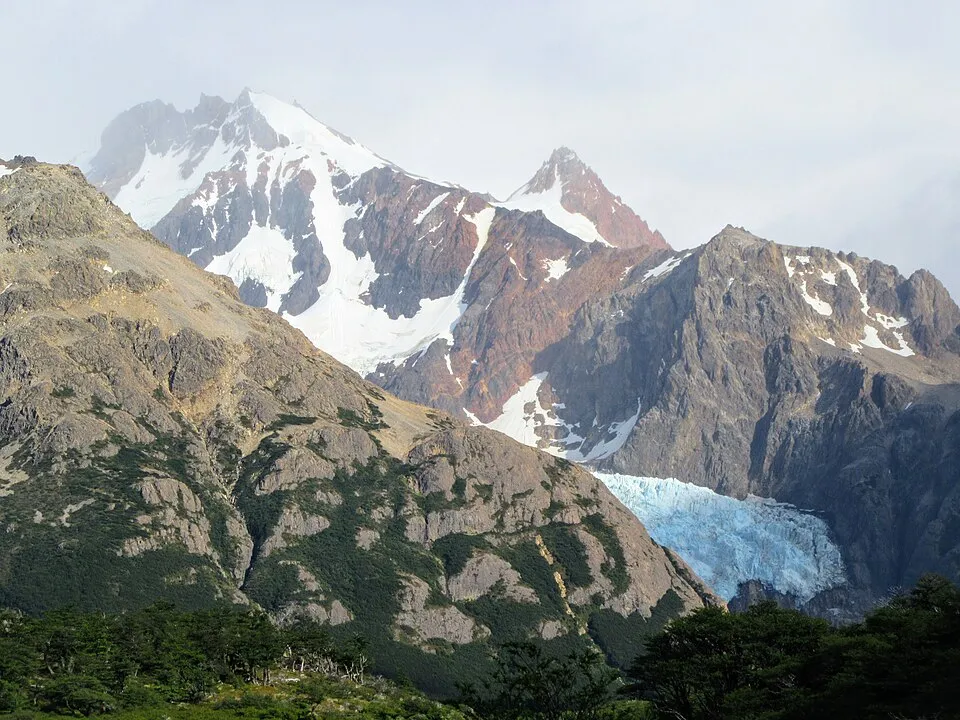
A blue hanging glacier at the end of an eleven-kilometre valley walk from the Río Eléctrico bridge — the quiet alternative when the main trails are busy.
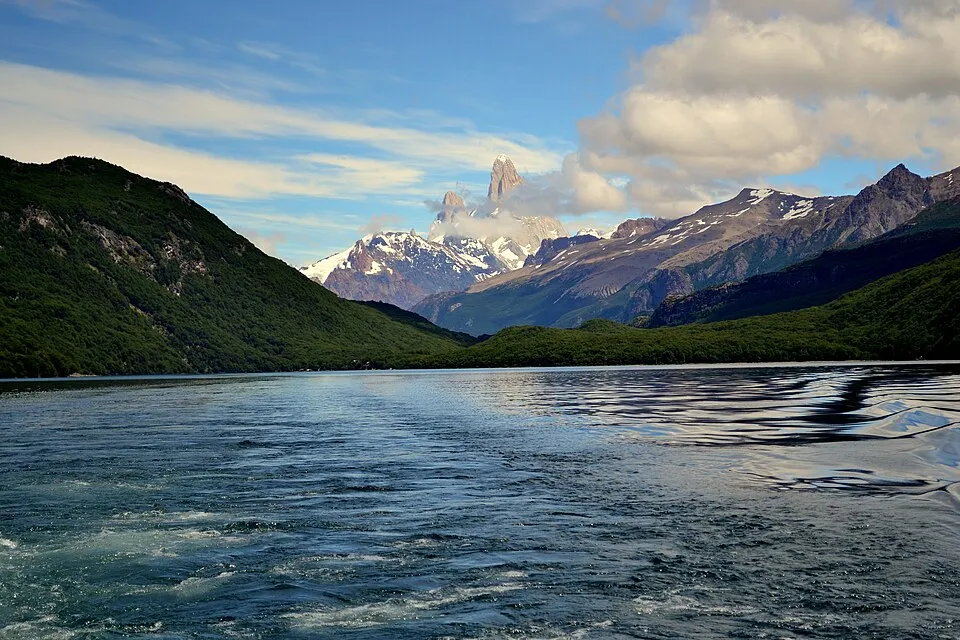
A fjord-like lake two gravel hours north of town, near where Argentina and Chile once argued the border. Boats and services run September to May — winter closes it.
Three hours of steppe, one historic coffee stop, and lamb over fire at the end of it.
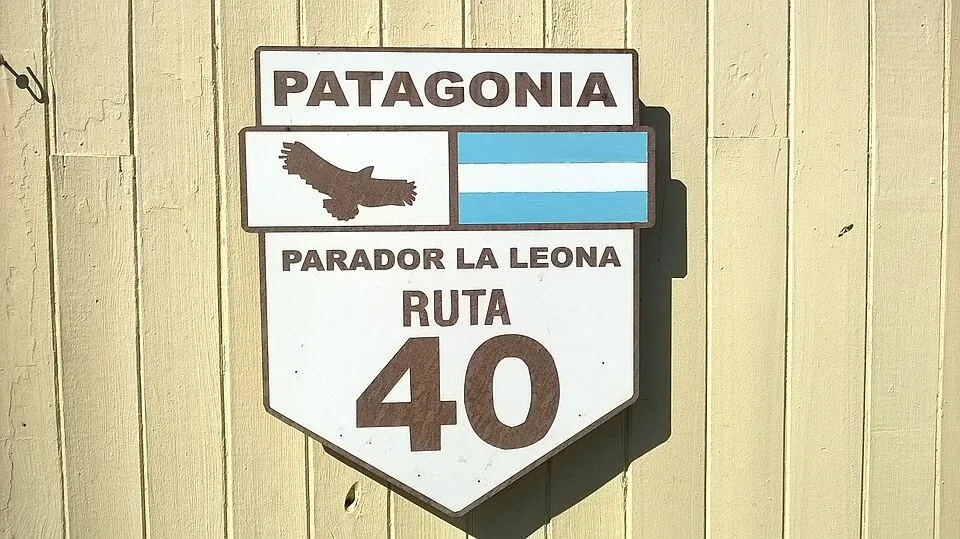
The 1894 parador on Ruta 40 where Butch Cassidy allegedly stopped — still pouring coffee halfway between El Calafate and El Chaltén, museum in the back.
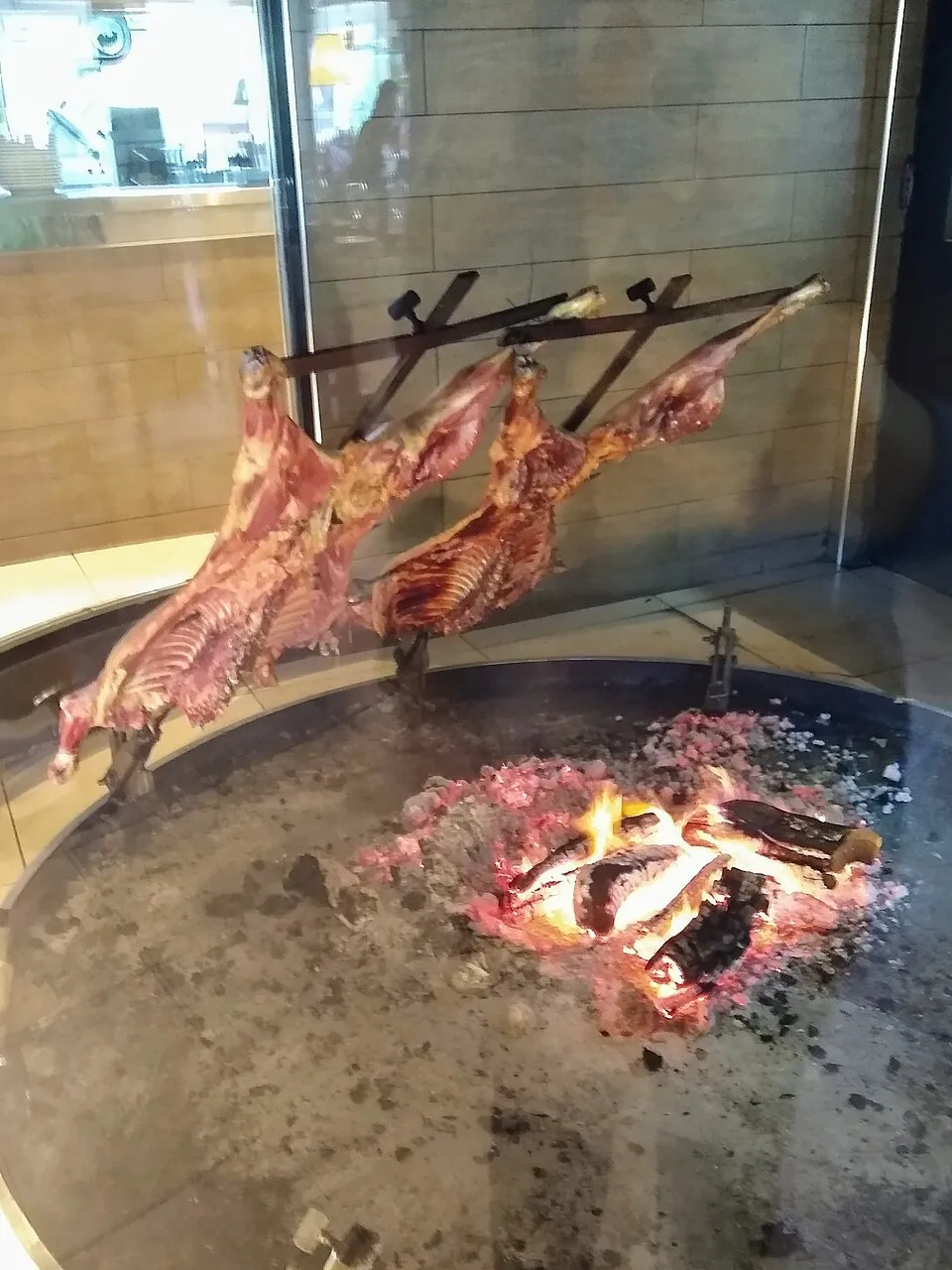
El Calafate’s oldest parrilla, open since 1968 — Patagonian lamb splayed over the fire the way the estancias always did it. Book in season.
The trekkers’ brewpub on San Martín — house beer and locro after the trail. Winter hours follow the town’s rhythm; check the door.
December–February for the big trails. The park is open all year — winter hours 9:00–16:00, registration mandatory May–September — and Perito Moreno with its boats runs every day of the year.
Yes — minitrekking puts you on the ice in crampons for about ninety minutes, and as of winter 2026 it runs year-round for the first time since 1989. Ages 18–65, strictly.
A paved three-hour bus, year-round, at least twice daily — past the La Leona roadhouse, which has been pouring coffee since 1894.
Laguna de los Tres is 25 km and 8–9 hours with a brutal final climb. Laguna Capri gives the view at a third of the effort; Pliegue Tumbado shows both massifs in one frame.