EAT★ MICHELIN 2026
Dill
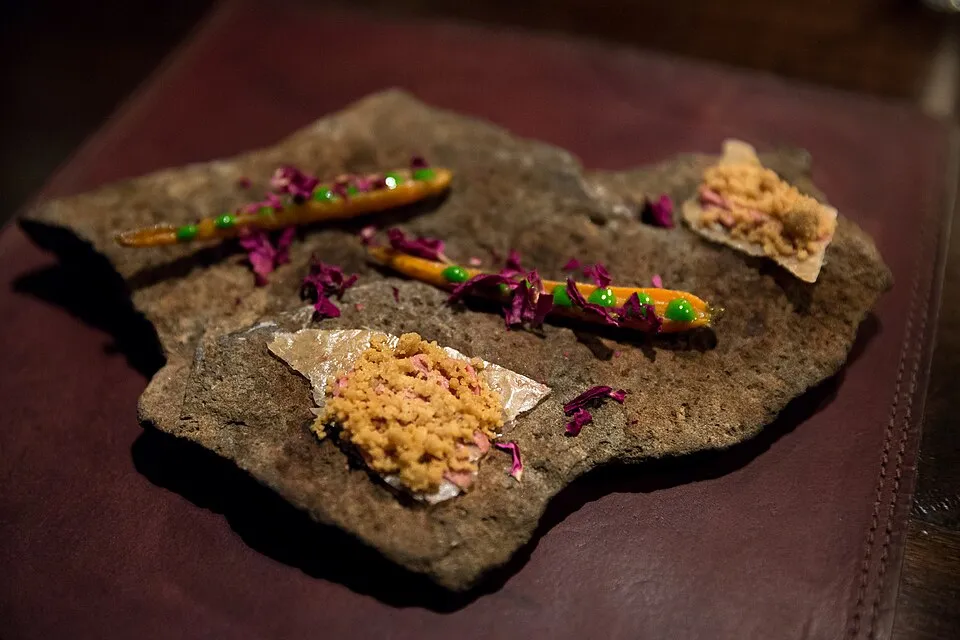
Iceland's first Michelin star and still its benchmark. Gunnar Karl Gíslason's tasting menu is built on what the island gives — foraged, fermented, smoked, dried. Book weeks ahead.
Forget the two-week ring-road fantasy — most people get four to six days, and the honest news is that the southwest quarter is the best of the country anyway. Base in Reykjavík, do the Golden Circle and the South Coast properly, add Snæfellsnes if you have a spare day, and save the far corners for a return trip. Here's every stop, checked.
Small scene, serious kitchens. All three of Iceland's Michelin stars held their rating in the 2026 guide — and the hot dog stand deserves its fame too.
Iceland's first Michelin star and still its benchmark. Gunnar Karl Gíslason's tasting menu is built on what the island gives — foraged, fermented, smoked, dried. Book weeks ahead.
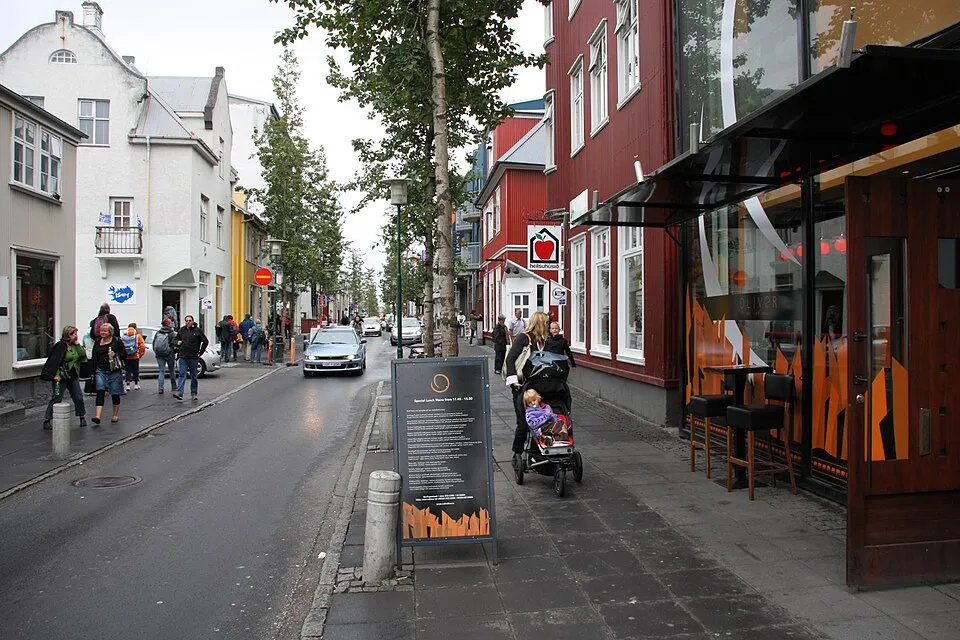
Behind a graffitied door on upper Laugavegur — ring the Amma Don bell and someone lets you in. Seventeen seats around Þráinn Freyr Vigfússon's counter, a long procession of courses, and the feeling of a dinner party in a very good kitchen. Iceland's most intimate star.
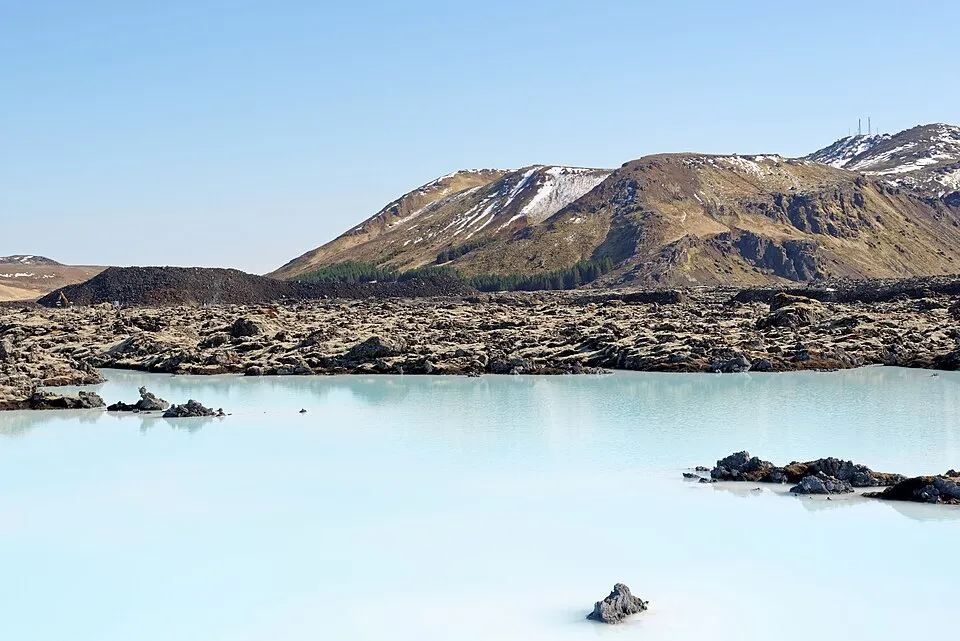
Fine dining above the Blue Lagoon's lava field, with a wine cellar carved into the rock below. The catch is access: dinner runs Wednesday to Sunday and tables go only to Retreat hotel and Retreat Spa guests — a standard lagoon ticket won't get you in. See the volcanic note in the See section.
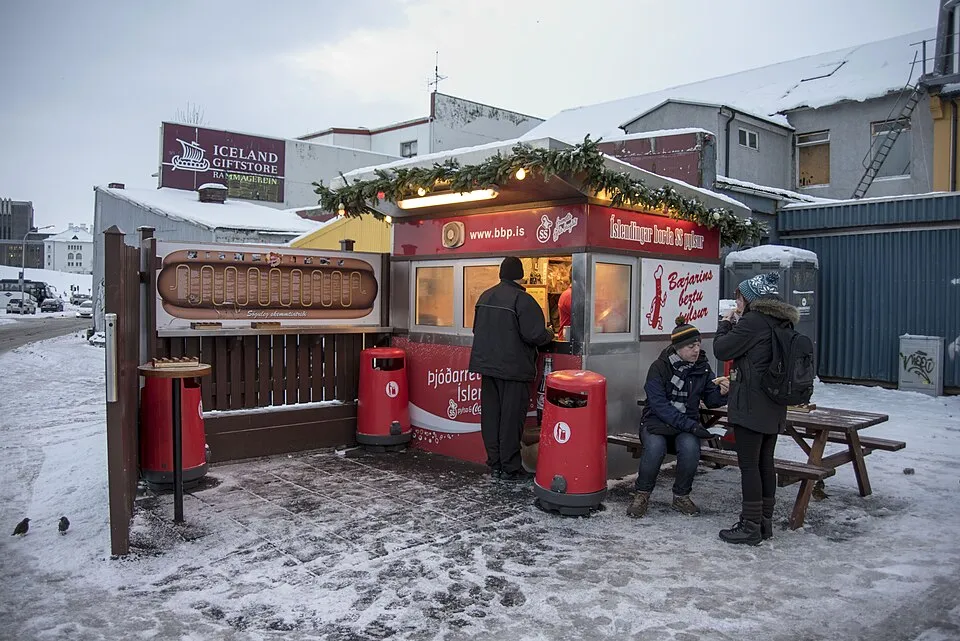
The hot dog stand by the harbor that outlasted every trend. Order "eina með öllu" — one with everything — and eat it standing up like everyone before you.

The graffiti-wrapped bakery below Hallgrímskirkja. Go in the morning for cinnamon rolls still warm from the oven; the line moves fast and is worth it anyway.
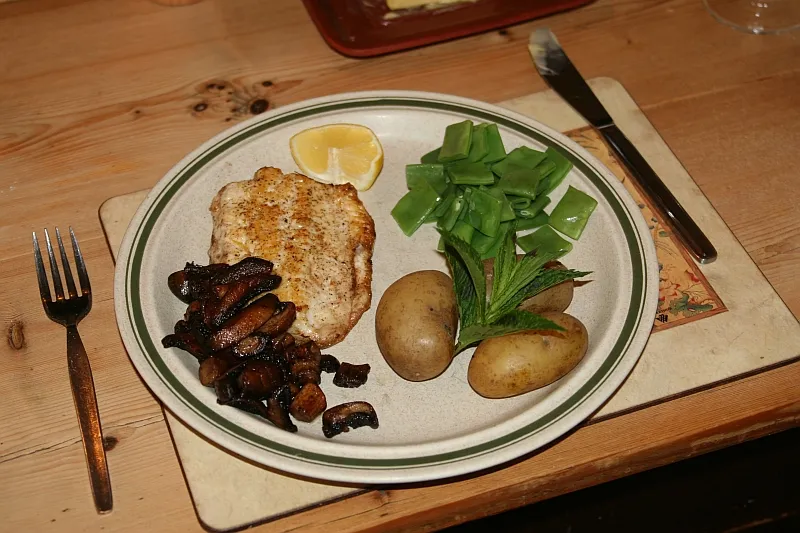
Pan-fried Arctic char served in the skillet with the butter still working. The local answer for great fish without a tasting-menu commitment.
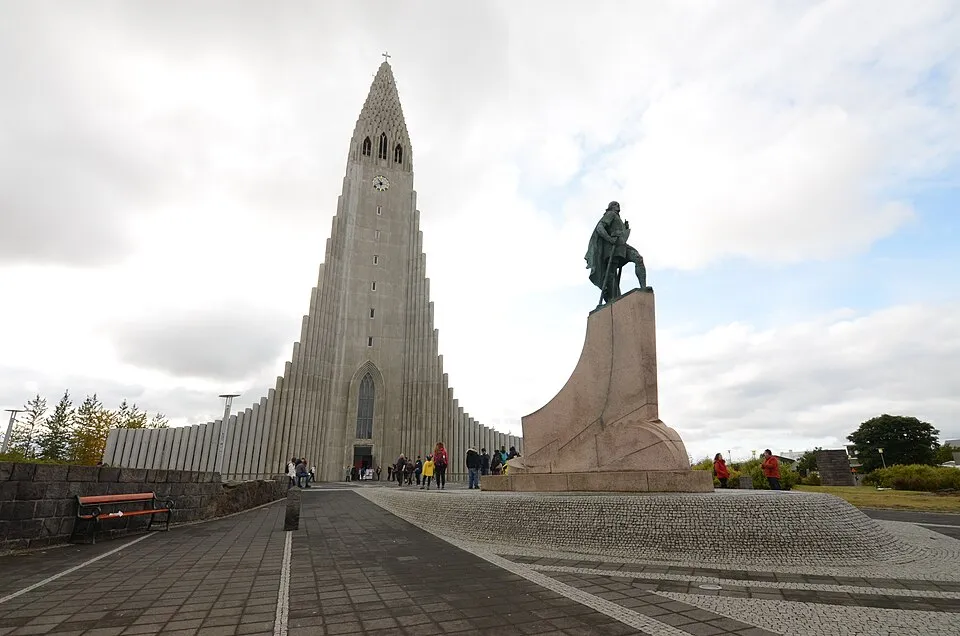
Directly opposite Hallgrímskirkja: lamb soup, flatbread with smoked lamb, and rye-bread ice cream for the curious. Old-school Icelandic without the tourist-trap markup.
A green hut on the old harbor famous for one thing: lobster soup at shared picnic tables, with fresh fish skewers off the grill as backup.
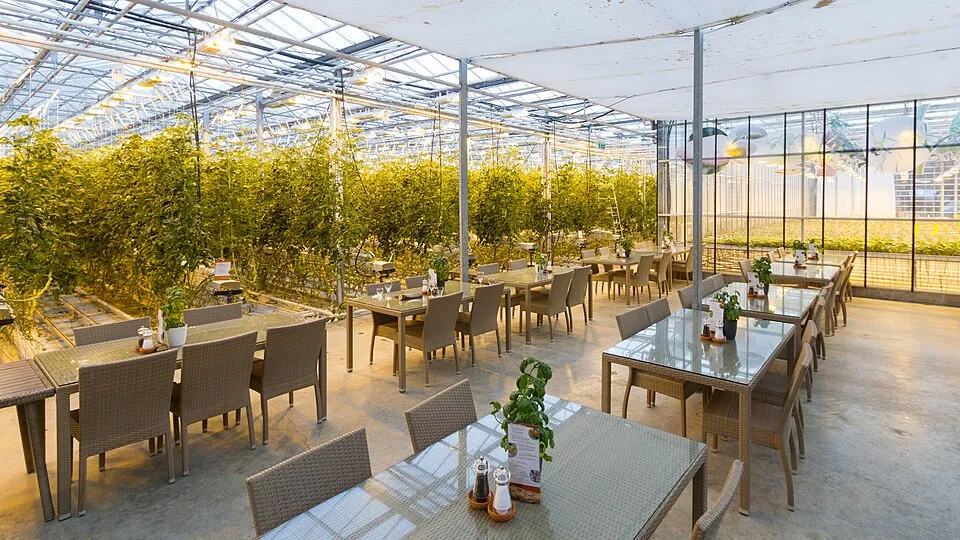
Lunch inside a working geothermal tomato greenhouse: bottomless tomato soup, fresh-baked bread, and a green-tomato Bloody Mary while bees hum overhead. Lunch service only, 11:30–16:00 — book ahead, it fills daily.
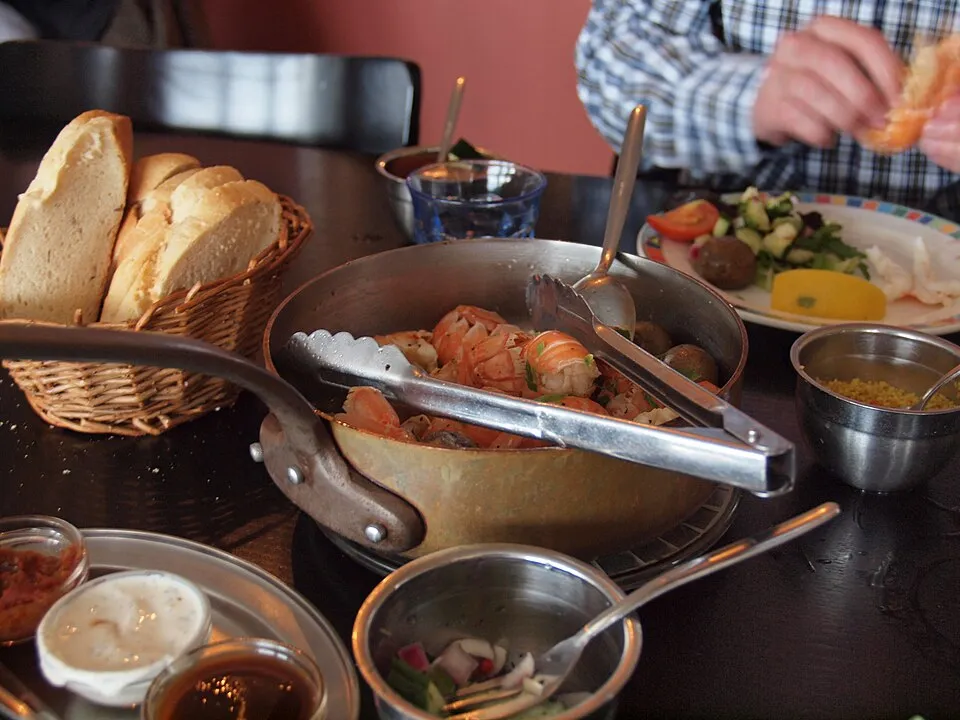
The langoustine pilgrimage: butter-drenched tails in a sleepy fishing village about 45 minutes from the city. One honest note — Iceland's own langoustine fishery has been closed since 2022, so the tails are imported these days. The butter ritual is unchanged.
Base in Reykjavík for the food and day trips, then consider one night out along the South Coast or on Snæfellsnes — that's where the aurora odds and the silence live.
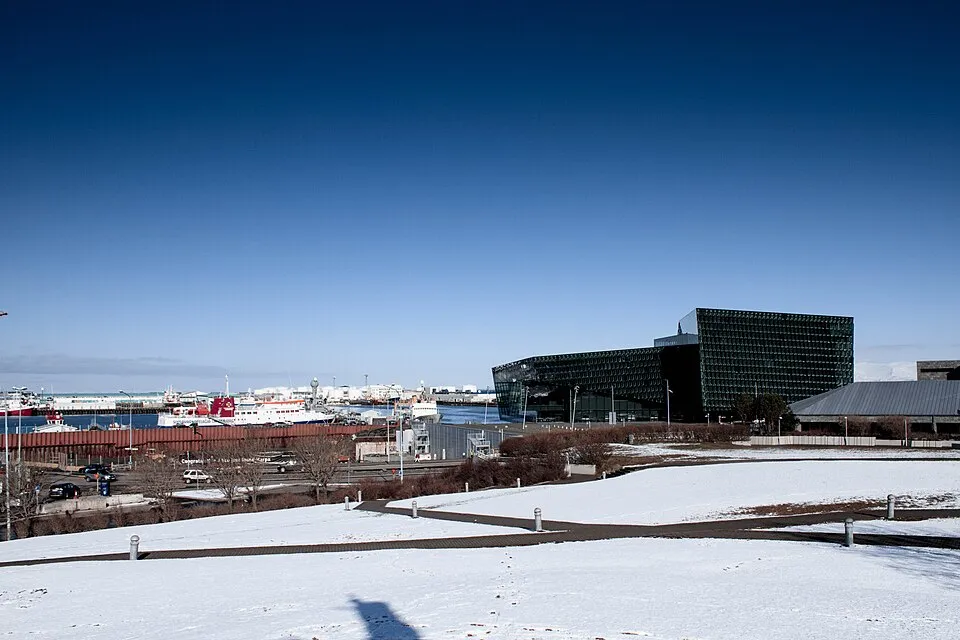
The polished big-city option, next to Harpa concert hall with the harbor out front. Best bar scene of any hotel in the country.
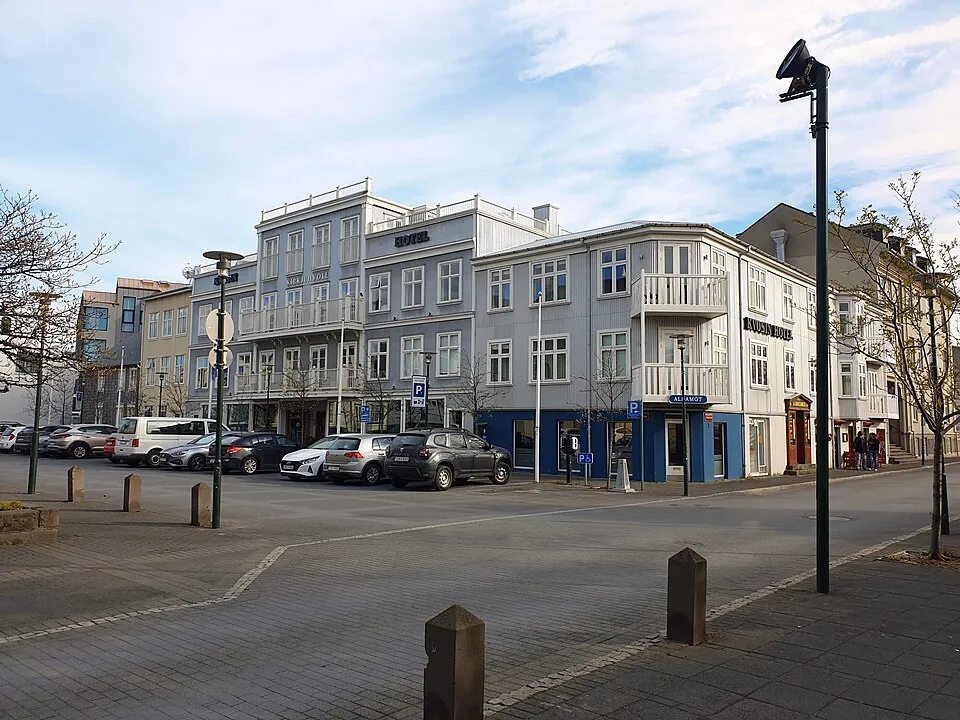
Big suites on Austurvöllur square, behind the cathedral and steps from everything — parliament out one window, coffee out the other. The smart central base.
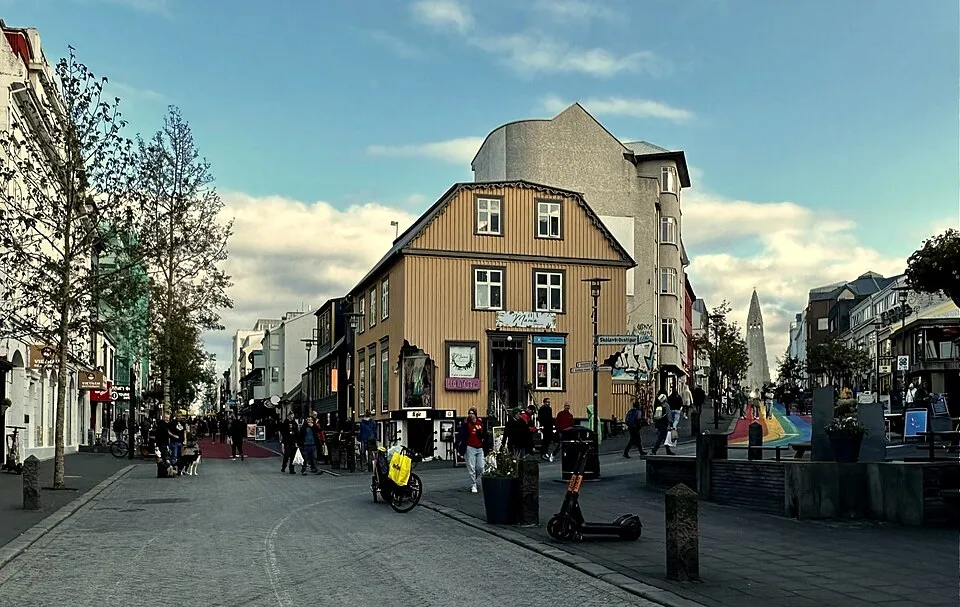
Handsome rooms directly above Sandholt, one of the city's best bakeries, on the main shopping street. Breakfast is thereby solved.
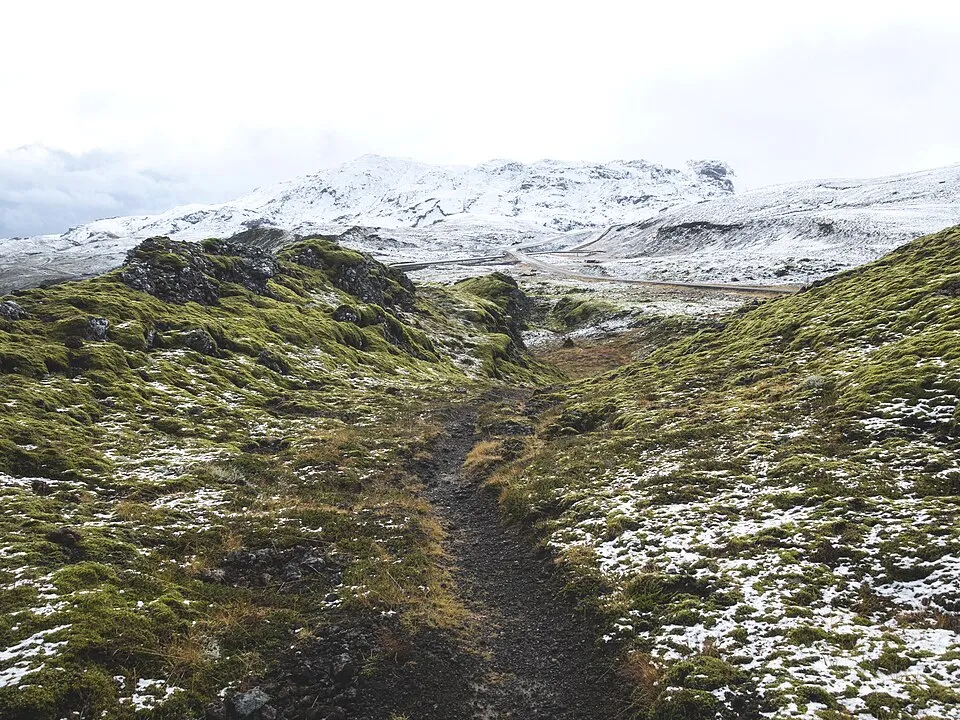
Concrete on stilts over a lava field near Þingvellir, with a glass Northern Lights Bar built for exactly what the name says. The design-hotel detour between city and Golden Circle.
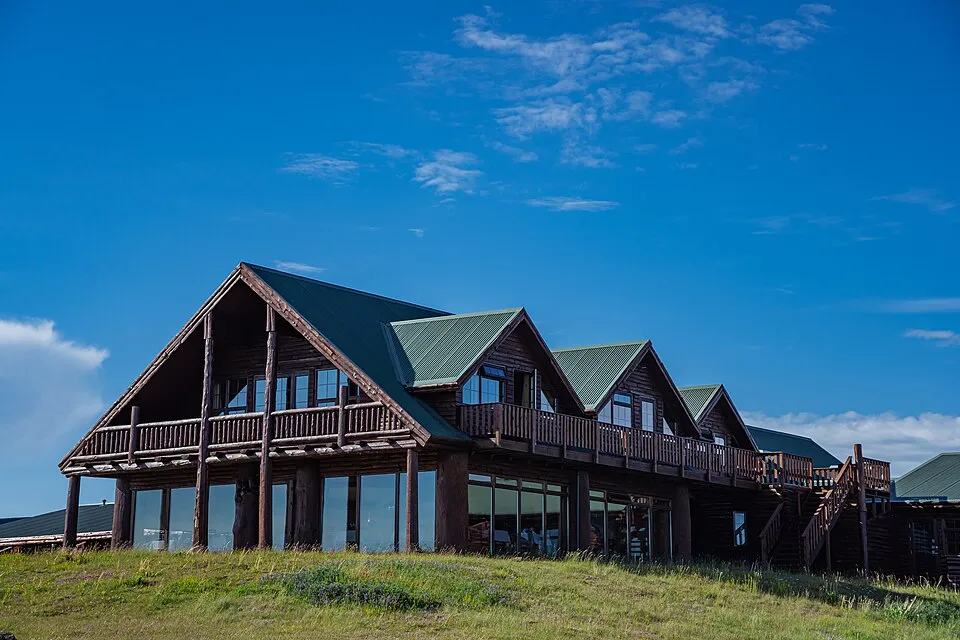
A log lodge on the South Coast with its own stargazing observatory (astronomer season September–April) and a front desk that will wake you when the aurora shows — a winter ritual; summer nights never get dark. The classic one-night splurge between waterfalls.
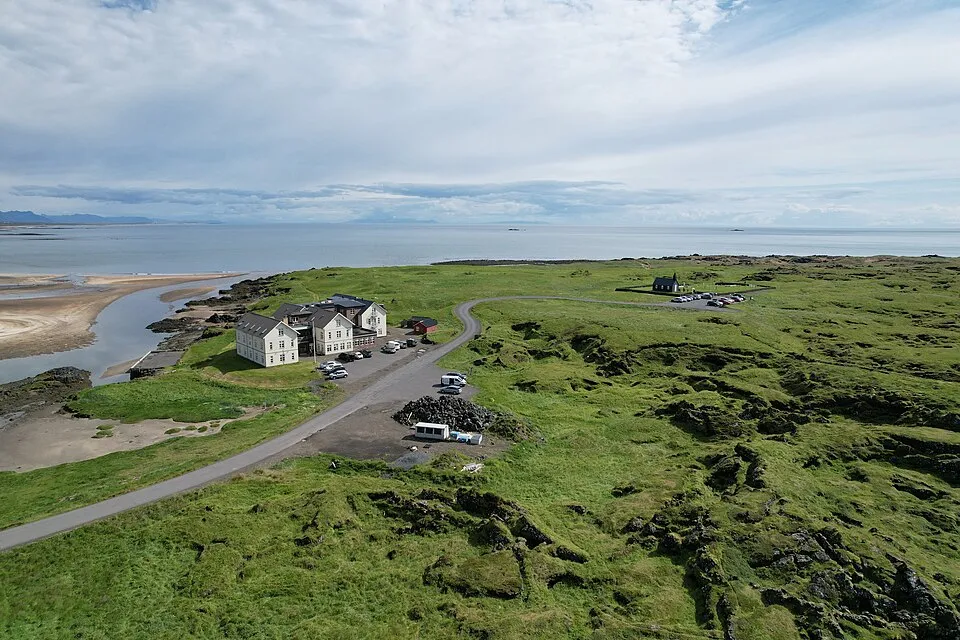
Alone on the Snæfellsnes coast beside the black church at Búðir, with the glacier behind and the sea in front. The romantic one — ask for a sea view.
Five regions, ordered by how they slot into a real itinerary. Each is a day or less from a Reykjavík base — the glacier lagoon is the one long haul that earns it.
64.1°N · WALKABLE IN A DAY
ride the tower (1,500 ISK) first thing for the colored-roof panorama; it's the best orientation in town.
the honeycomb-glass concert hall on the harbor; wander the lobby even without a ticket.
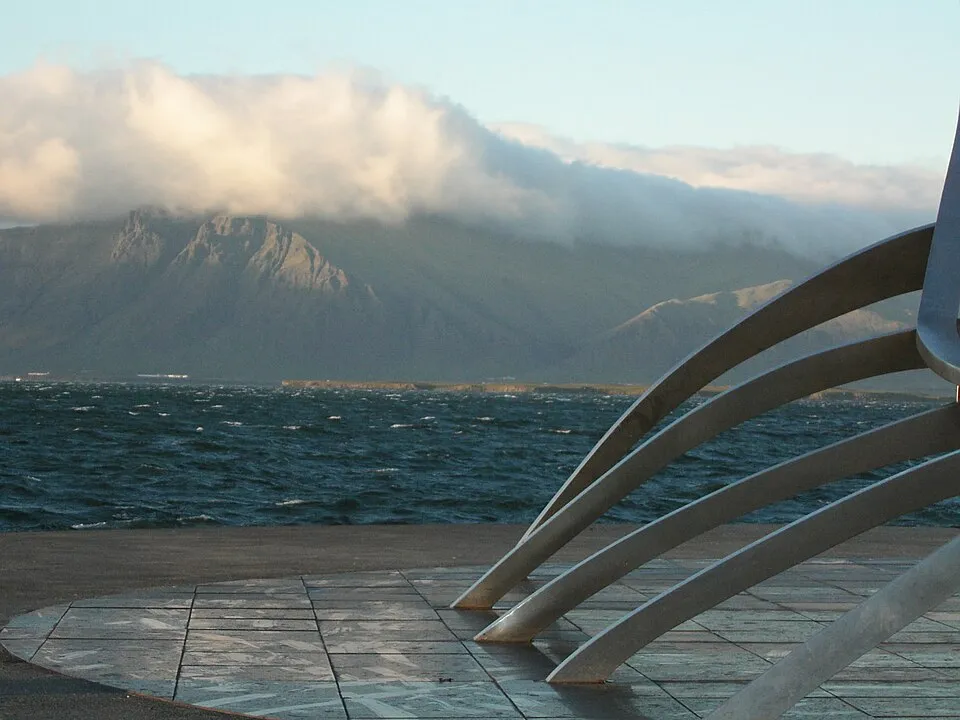
the steel ship sculpture, with Esja mountain across the bay doing the heavy lifting.
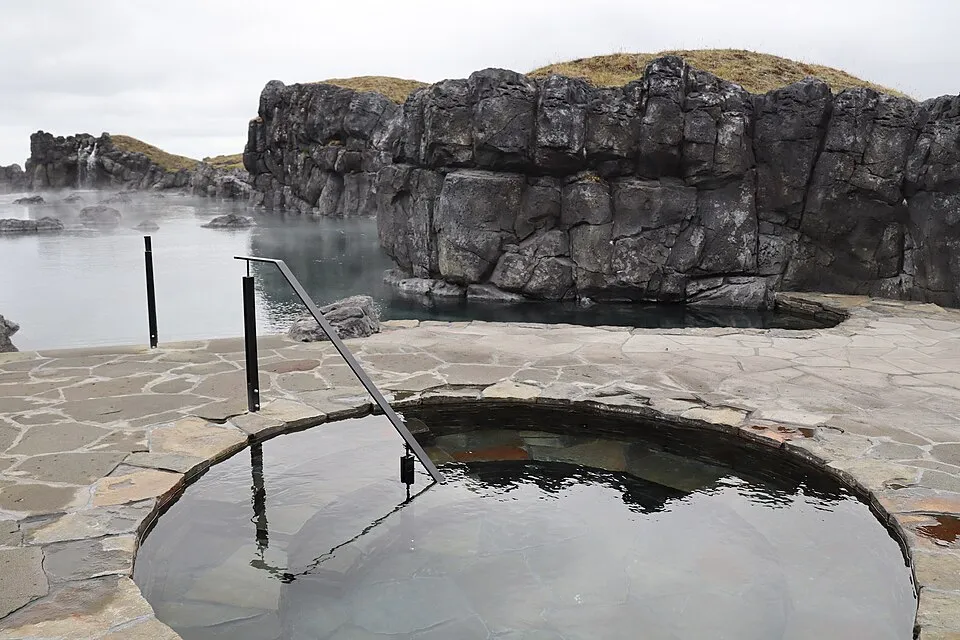
cliff-edge infinity pool 15 minutes from downtown, with a seven-step bathing ritual that's better than it sounds. The zero-drama alternative to the Blue Lagoon.
FULL DAY LOOP FROM REYKJAVÍK
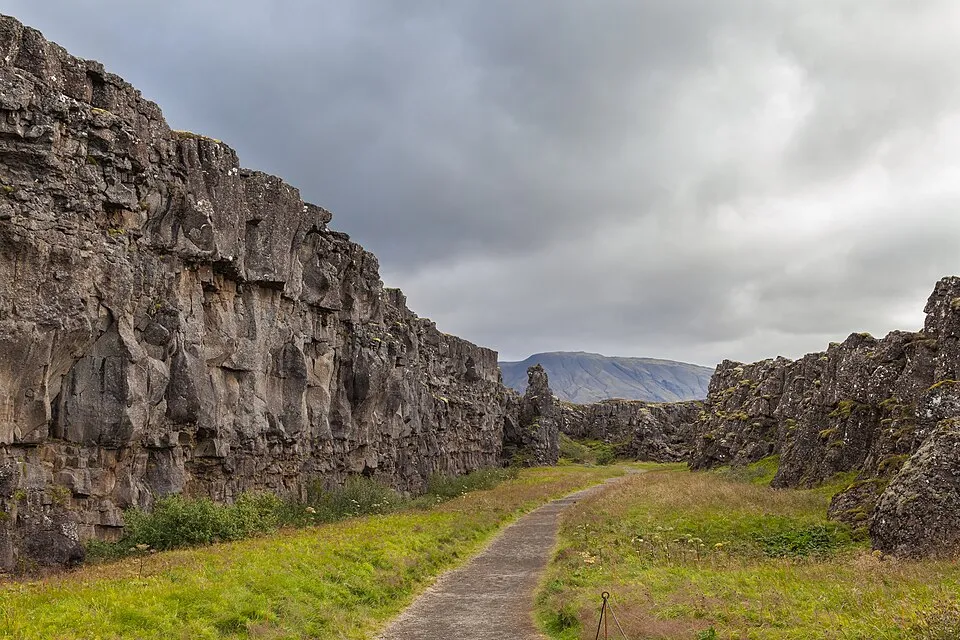
walk the rift valley where two tectonic plates pull apart and where Iceland's parliament met for centuries. The committed can snorkel Silfra's glacial water between the plates (drysuit tours, book ahead).
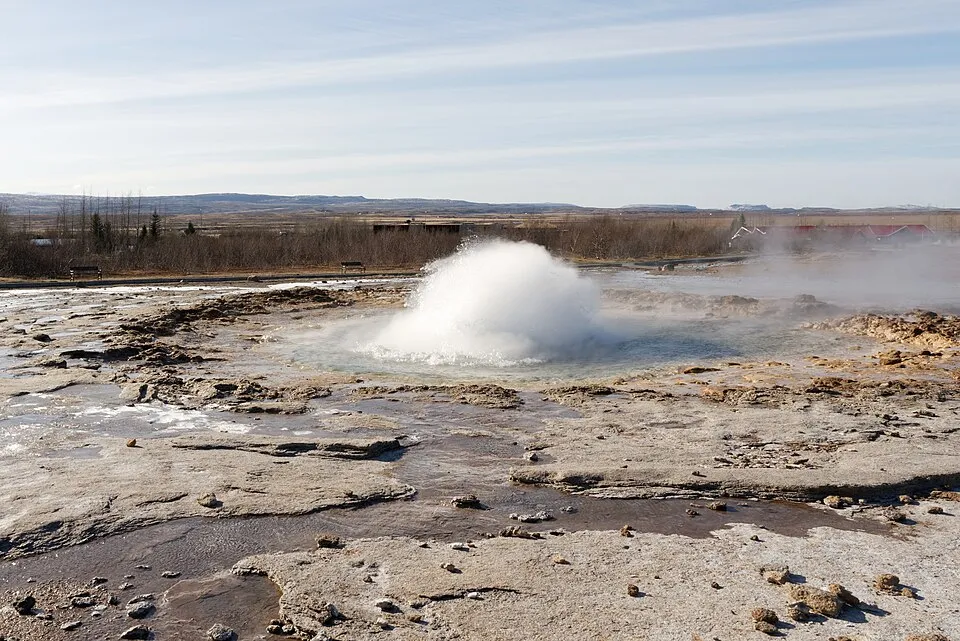
the original geyser lent its name to all the others; its neighbor Strokkur does the actual work, erupting every few minutes.
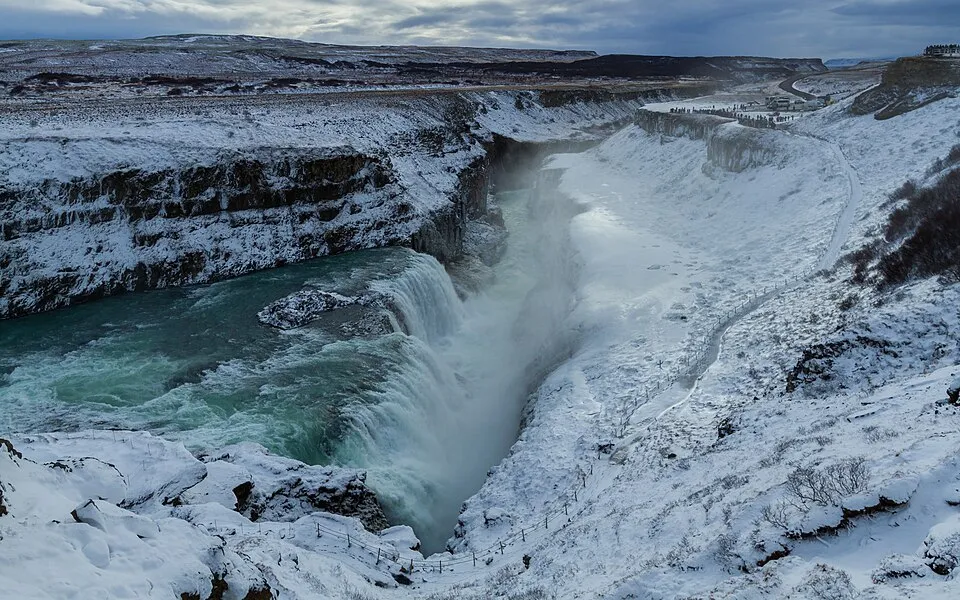
the two-tier cascade that anchors the loop. Take both viewpoints; they're different waterfalls.
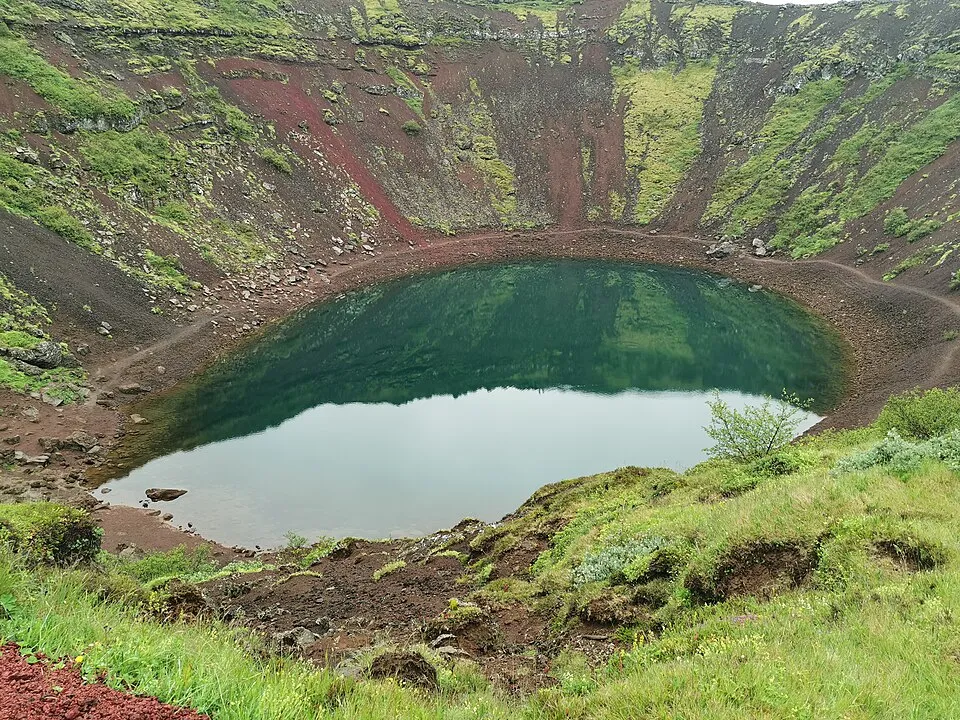
a red-walled volcanic crater with a green lake, ten minutes off the route. 700 ISK, short walk, worth both.
the low-key geothermal soak on the loop: one warm pool (4,500 ISK), steam drifting off the meadow, none of the production.
ice cream made a few steps from the cows that supplied it, between Þingvellir and Geysir.
ONE LONG DAY — OR TWO WITH THE LAGOON
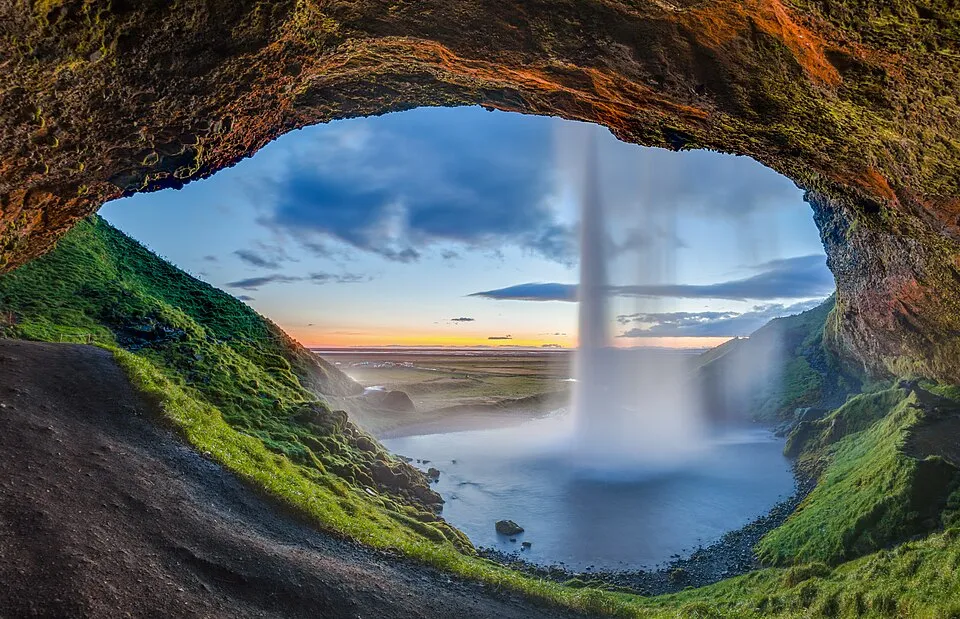
the one you can walk behind. Bring a rain shell; you will use it.
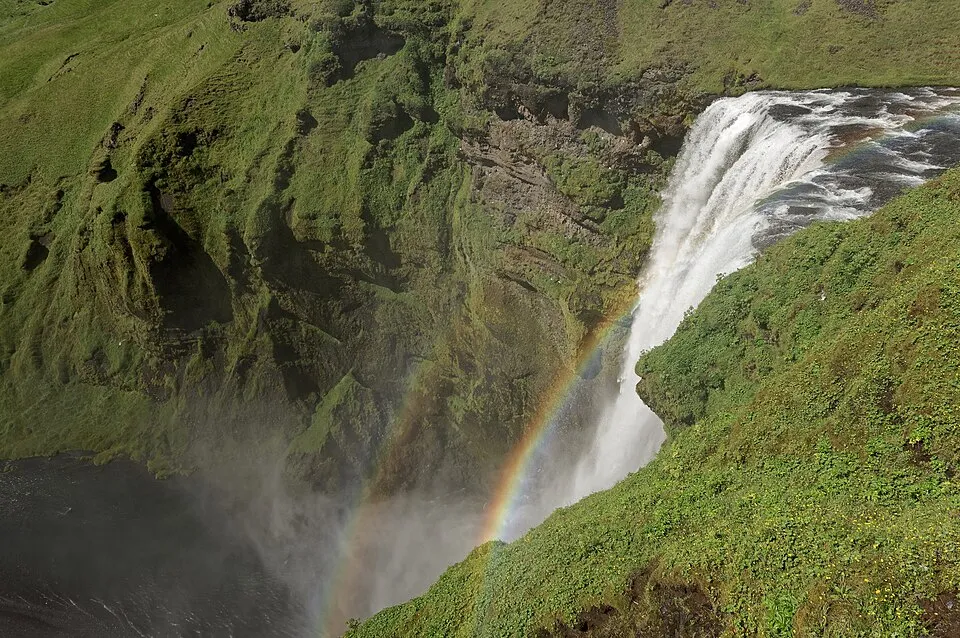
the big square curtain of water. Climb the staircase beside it for the top-down view and the start of the Fimmvörðuháls trail. The car park moved back from the falls in 2026 (paid) — budget a few extra minutes on foot.
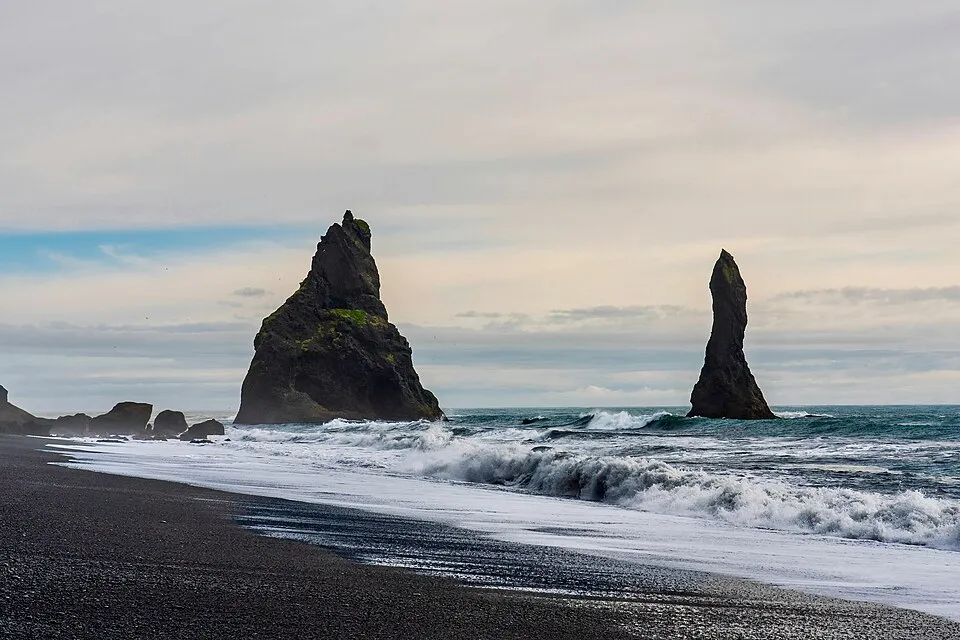
basalt columns, sea stacks, and the most photographed sand in Iceland. As of this review, access is limited to the upper ridge after winter erosion. Read the warning below first — it has changed.
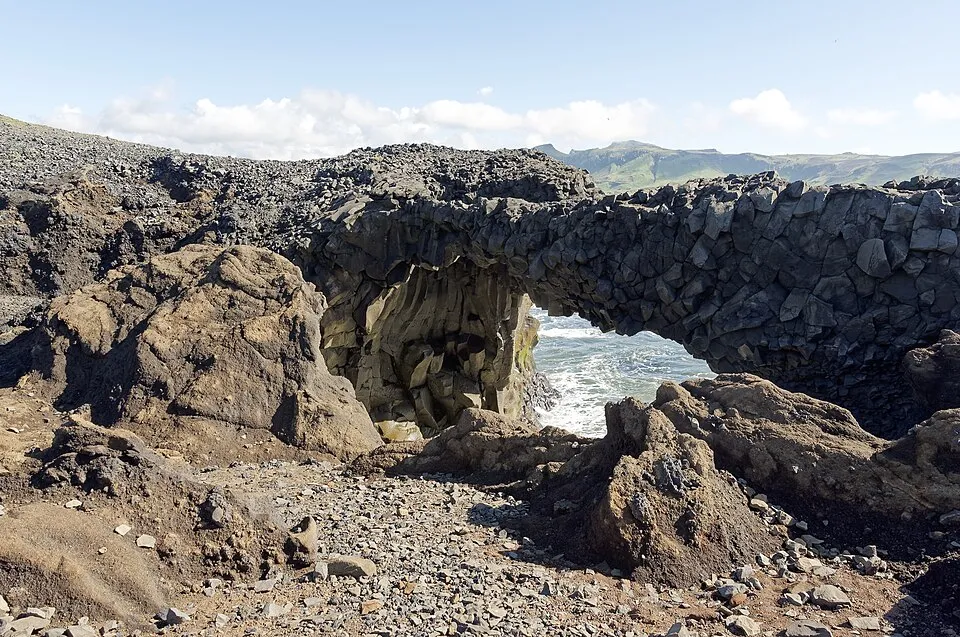
the rock arch promontory with puffins in summer. During May–June nesting it closes overnight (evenings to morning); days stay open, and July is fully open.
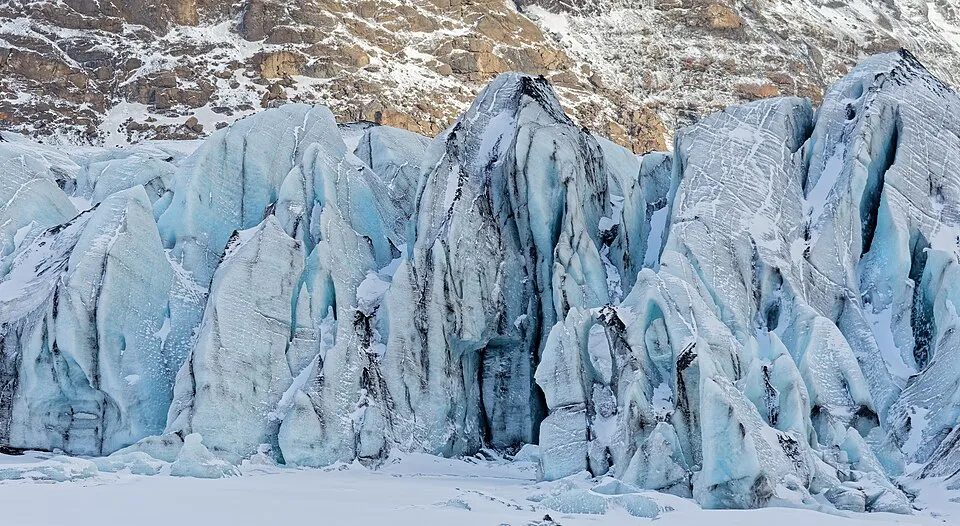
the accessible glacier tongue. Walking on it requires a guided tour with crampons — never freelance a glacier.
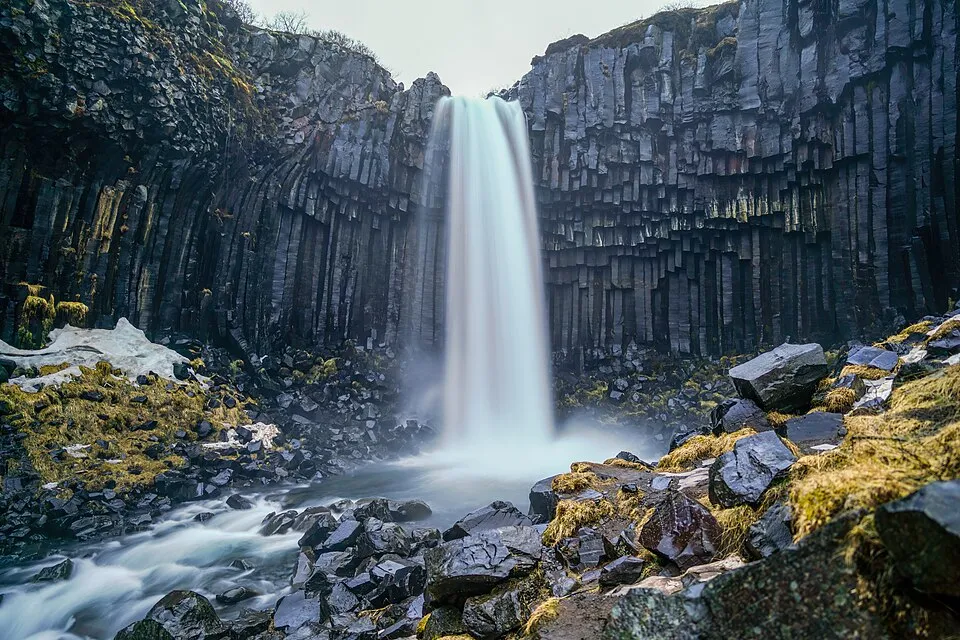
the basalt-column waterfall that inspired Hallgrímskirkja's façade, an easy hike inside Vatnajökull National Park.
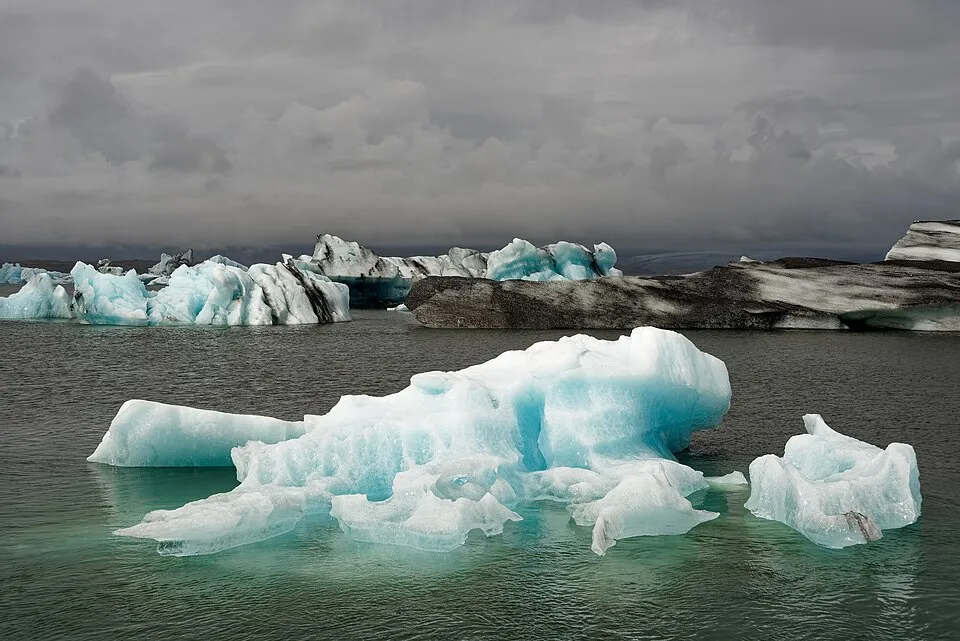
icebergs calving into a lagoon, then washing up as glass-clear chunks on black sand across the road. The long haul from Reykjavík that fully pays; consider overnighting nearby rather than driving back the same day. The park's 1,110 ISK car fee (2026) covers the lagoon and Diamond Beach lots until midnight.
THE SPARE-DAY LOOP · "ICELAND IN MINIATURE"
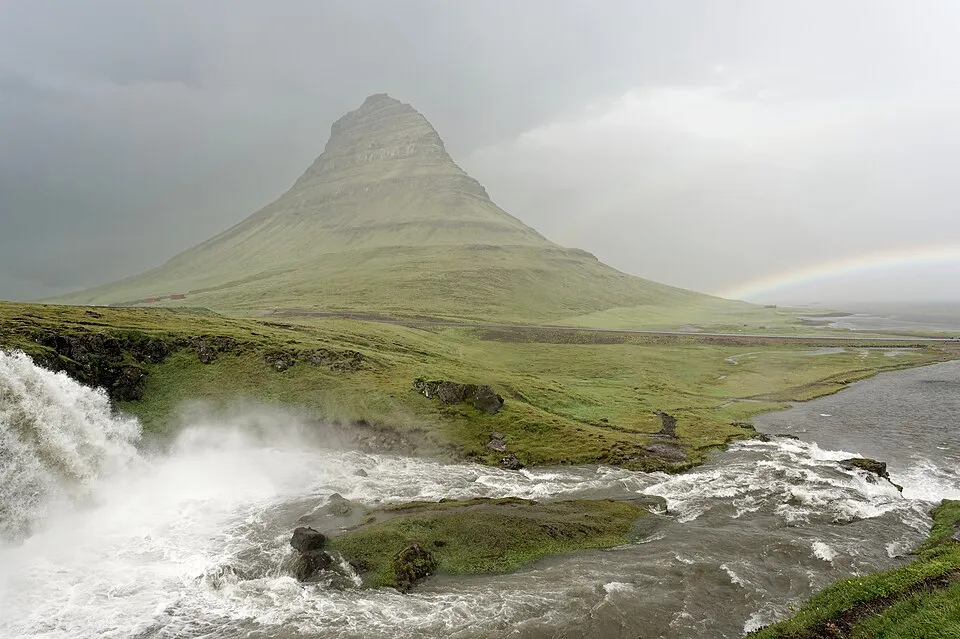
the cone mountain from every calendar, with Kirkjufellsfoss in the foreground for the classic frame.
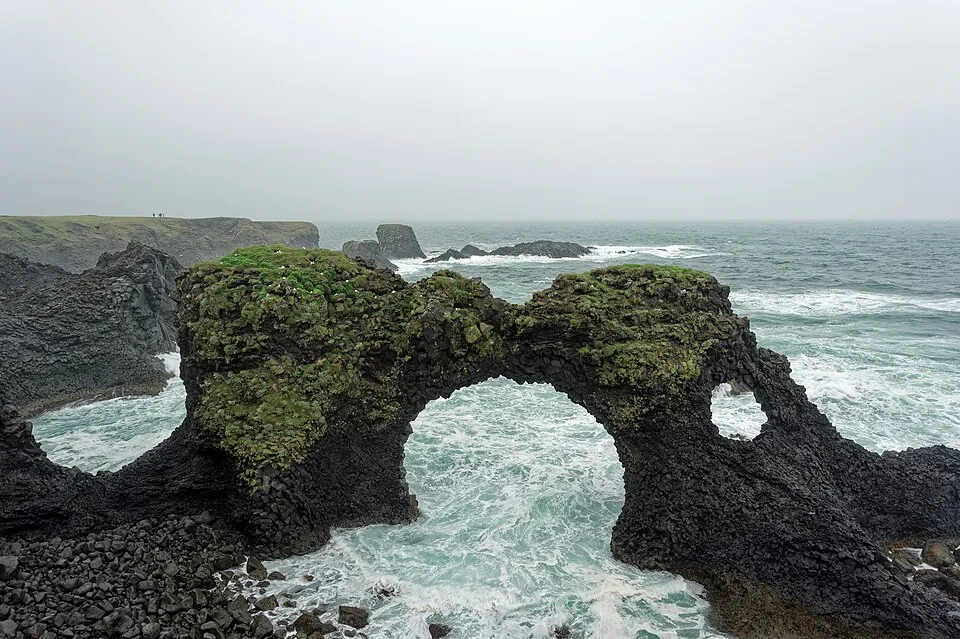
an easy clifftop path over arches and basalt coves between two hamlets. The best hour of walking on the peninsula — stay on the marked path through late July for the ground-nesting birds.
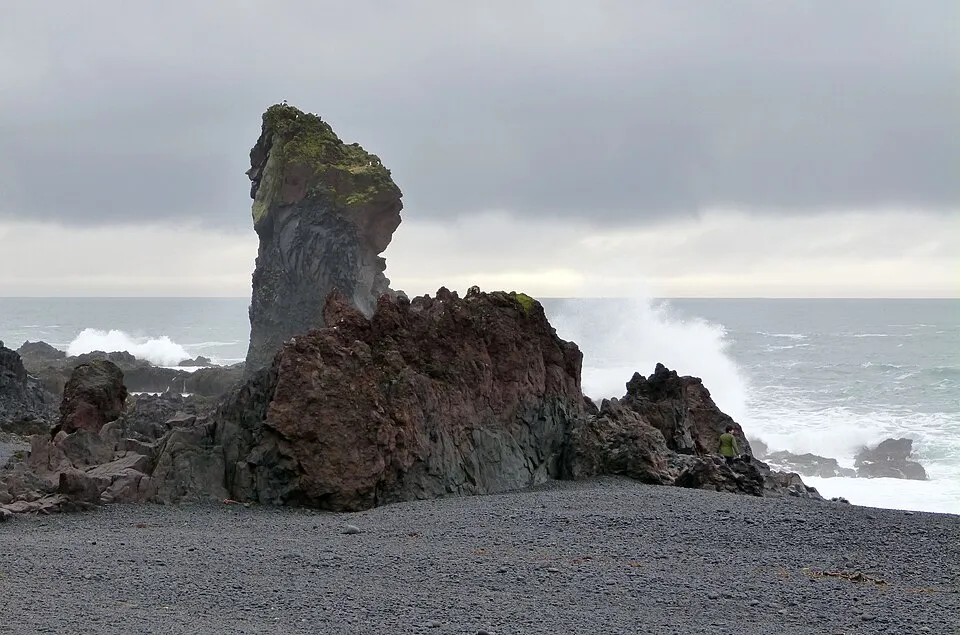
a black pebble beach scattered with shipwreck iron and the four lifting stones fishermen once used to prove their strength.
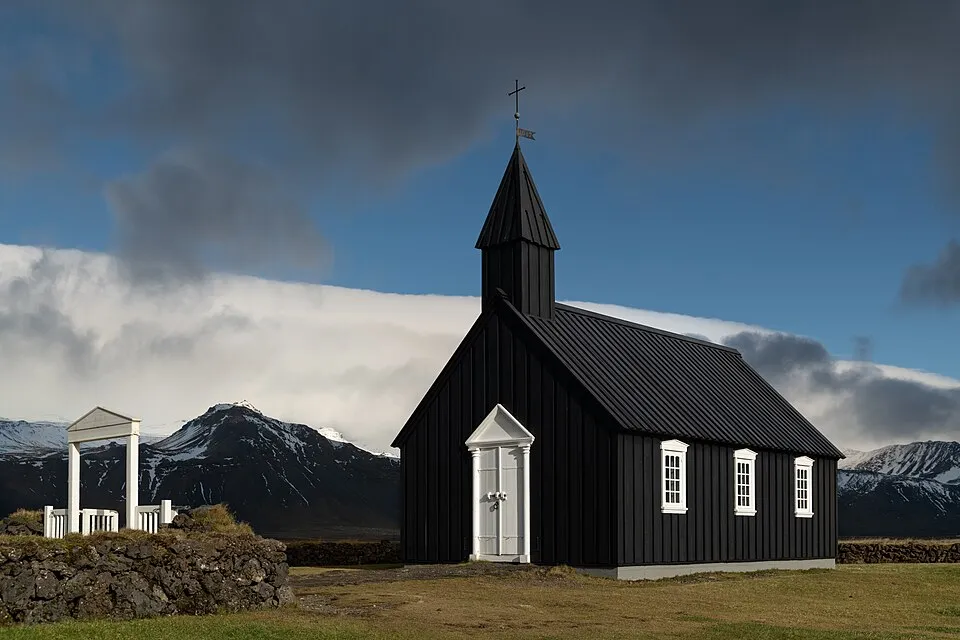
the lone black church in a lava field, next to Hotel Búðir. The grounds are open year-round; the interior only during services — it's a working parish church with a cemetery, so act like it.
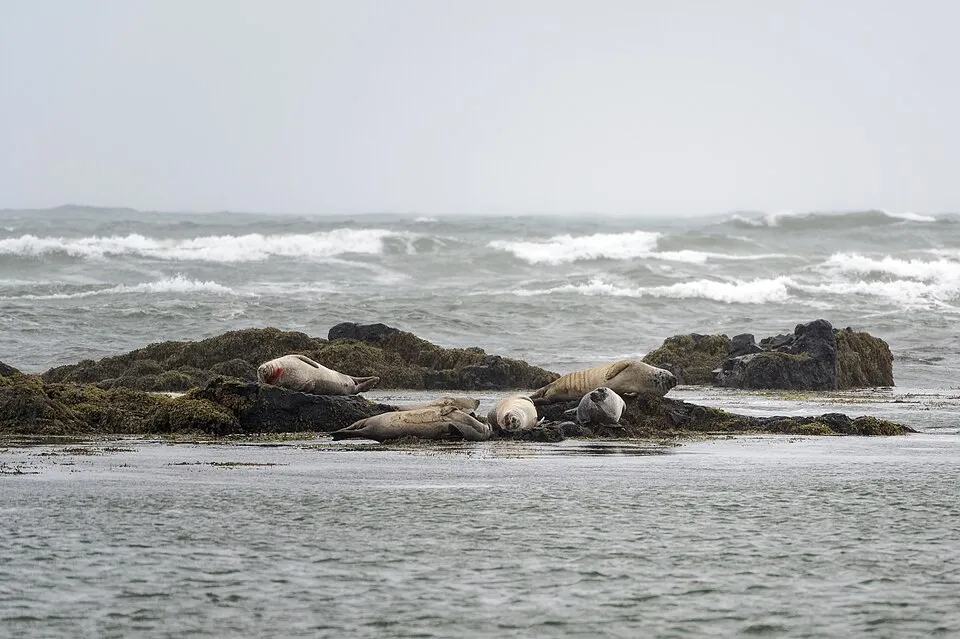
the beach where seals actually show up, unlike most beaches that promise them. May to August is most reliable; go at low tide.
AIRPORT CORNER · ACTIVE VOLCANIC ZONE
the milky-blue icon, conveniently between the airport and the city. Read the note below before booking.
The test for this section: each place has to beat a famous alternative on some real axis — fewer people, better view per step, or a story the tour buses skip. All ten sit on or near the core route above.
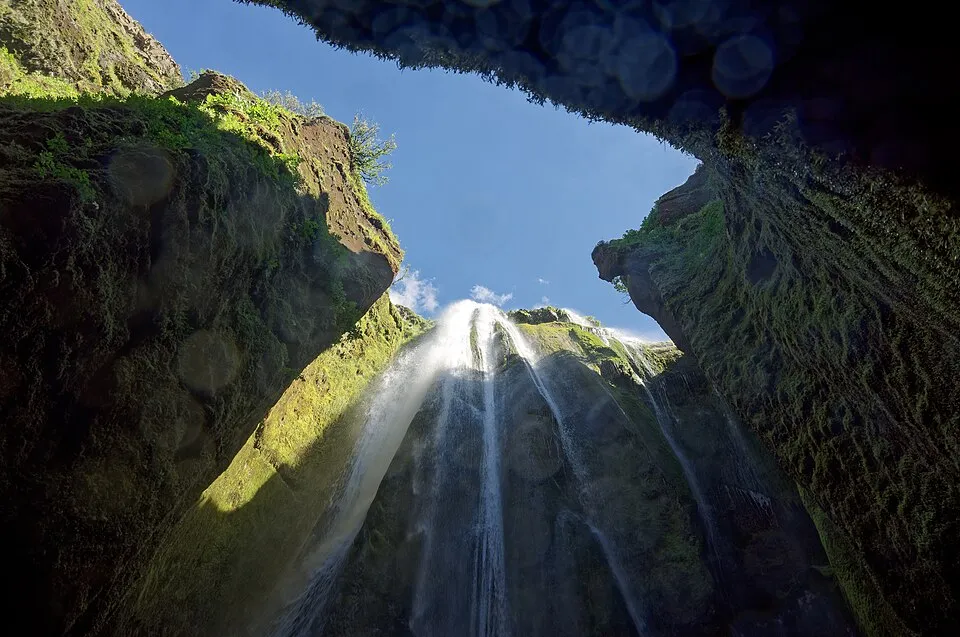
A few minutes' walk past Seljalandsfoss, a waterfall hides inside a slot canyon. Wade the ankle-deep stream through the crack in the cliff and you're alone in a stone room full of spray while the crowds photograph the famous one next door. It shares Seljalandsfoss's paid car park.
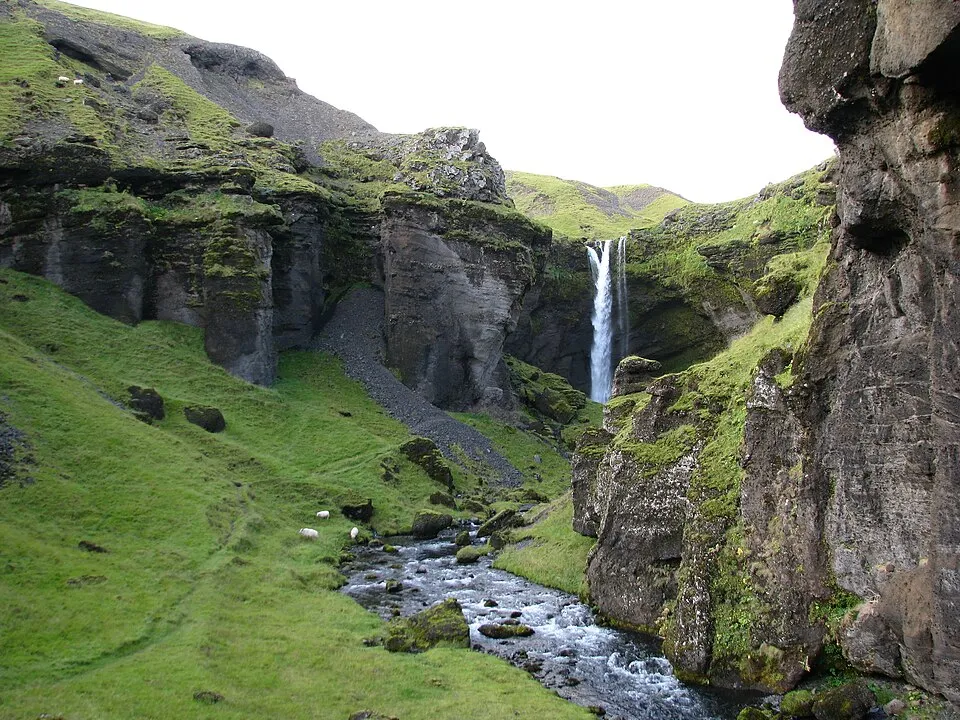
A short walk from the Skógar museum lot (parking 750 ISK by app, no overnighting) into a green gorge, ending at a waterfall you can walk behind — Skógafoss's quiet sibling, minus the crowd.
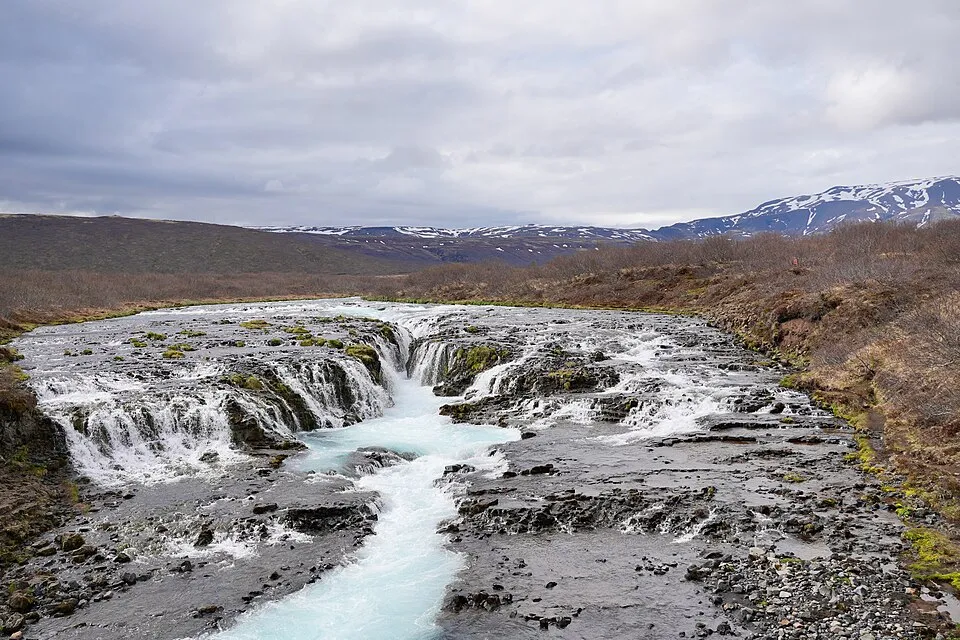
Glacial meltwater braided into an unreasonably blue cascade. The official car park off Road 37 (750 ISK by app) puts you five minutes' walk away — the muddy seven-kilometre slog of old is optional history. Trail closed in winter.
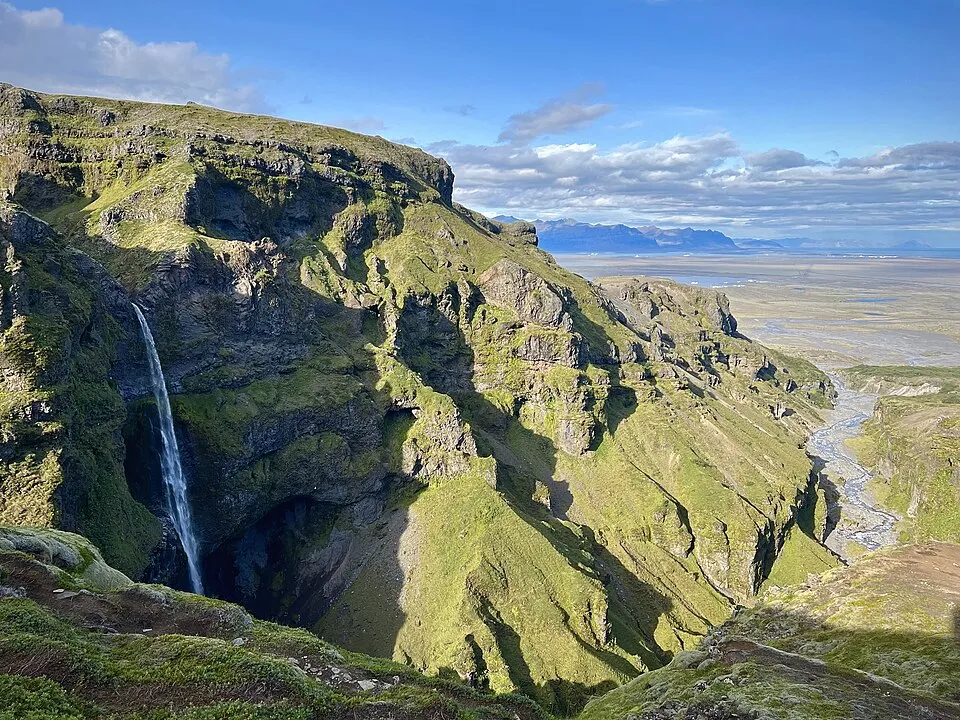
A gravel turnoff near the glacier lagoon — now with a proper car park (1,000 ISK by app, camera-enforced) — leads to a moderate uphill hike ending at a canyon rim with the Hangandifoss waterfall threading down its far wall. Possibly the best view-per-step ratio in the country. Fine in a 2WD in dry summer weather.
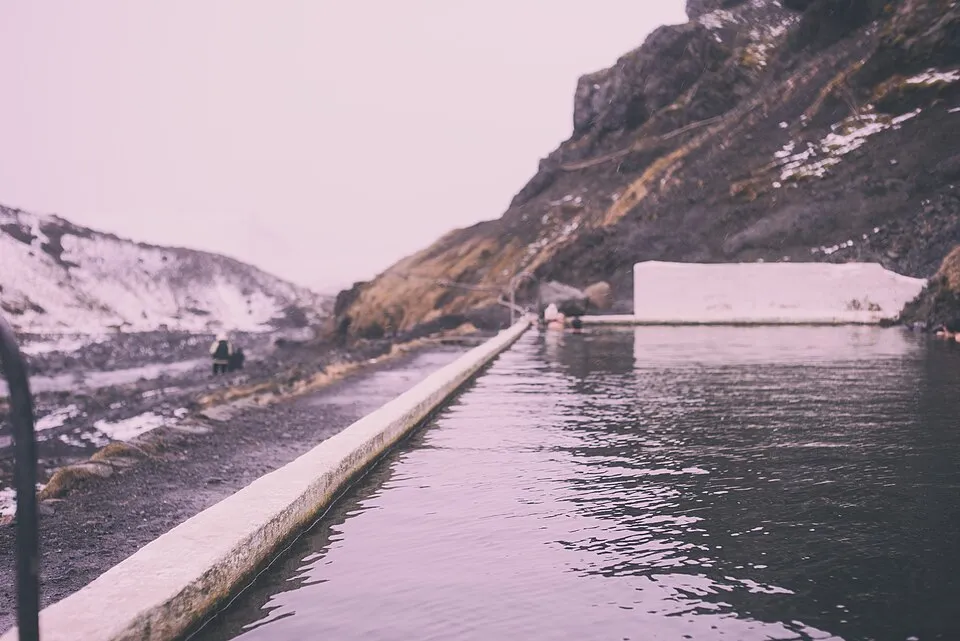
One of Iceland's oldest pools, built in 1923 into a mountainside under Eyjafjallajökull, reached by a short valley walk. Volunteer-maintained and rustic — the water runs lukewarm and algae happens. That's the deal, and it's still magic.
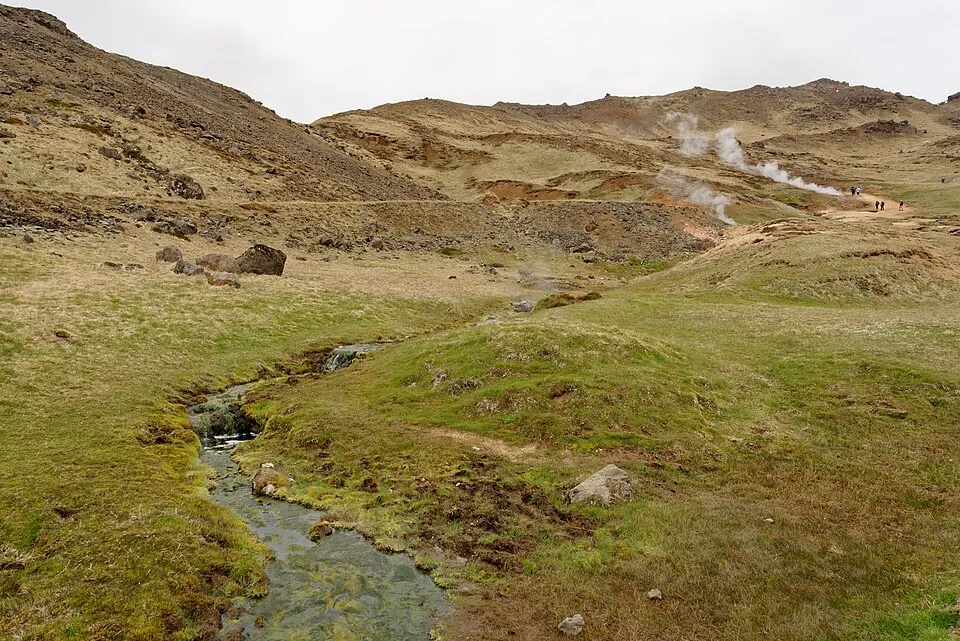
Hike up the steaming valley above Hveragerði and lie down in a warm river, with boardwalks and wind screens for changing. The further upstream, the hotter — pick your temperature and settle in. Trailhead parking is pay-by-the-hour; a full soak trip runs about 1,000 ISK.
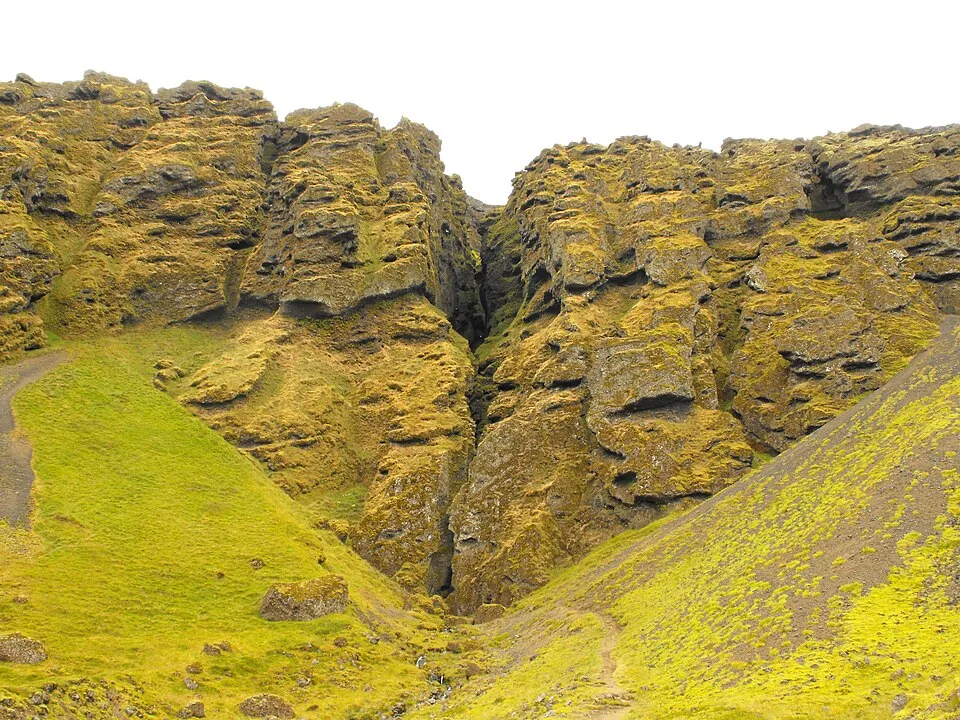
A crack in the mountainside you slip into sideways, named for the boy Rauðfeldur whom the saga says his half-troll uncle Bárður hurled inside in a rage. A stream runs through the mossy dark; go as far as your footwear allows.
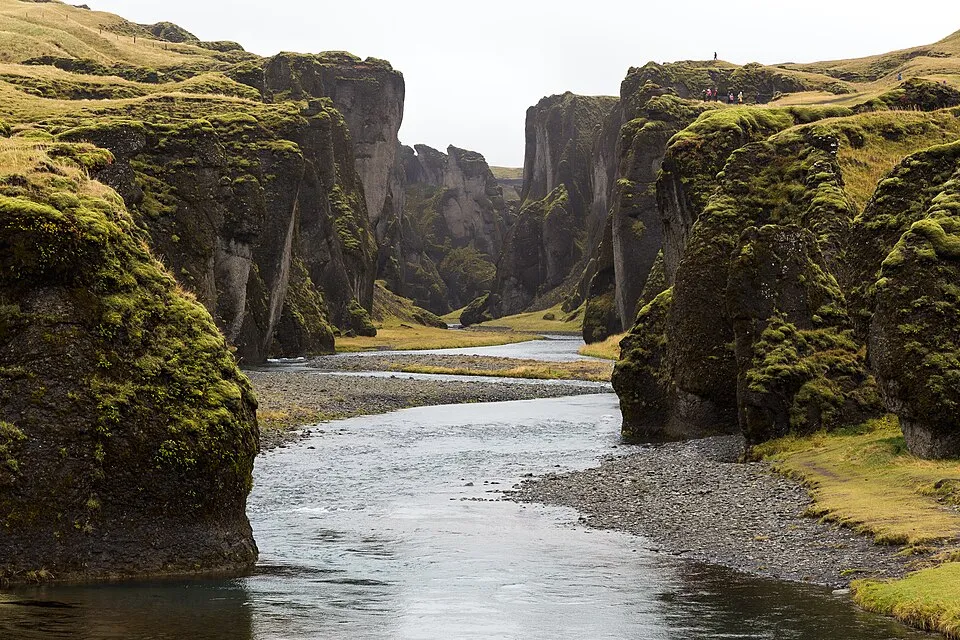
A winding, moss-walled canyon just off the road between Vík and Skaftafell, with a rim path and viewing platforms. It periodically closes in spring so the vegetation can recover — check locally before detouring, and stay on the path when it's open.
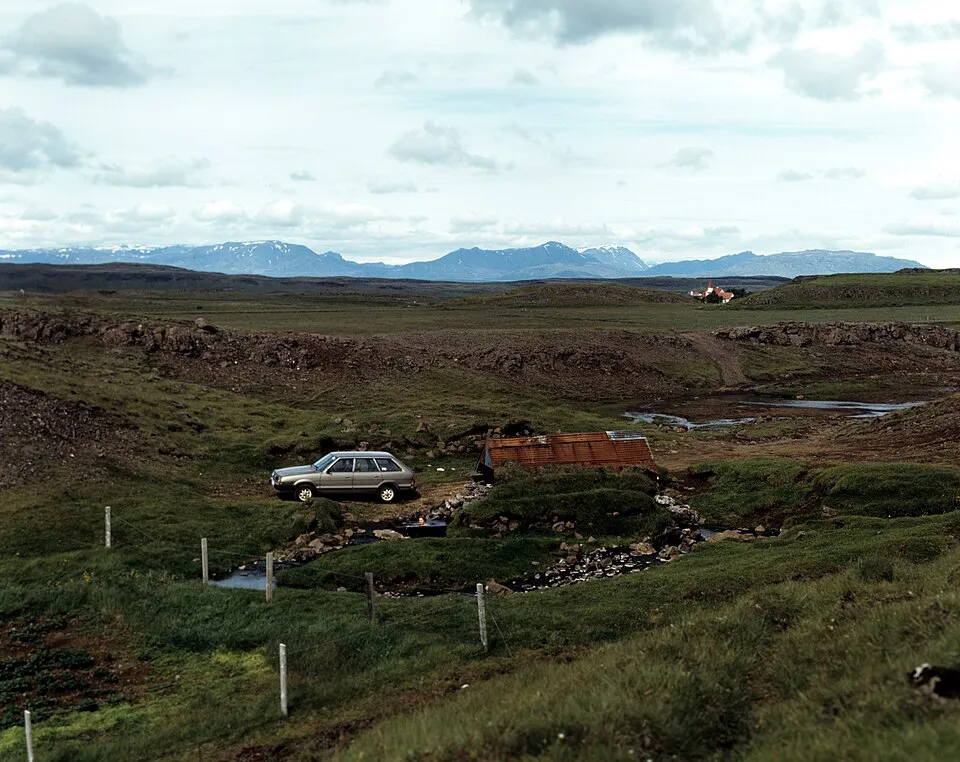
Three stone pools on a family farm five minutes off the Golden Circle — the oldest built around 1890, a sheep pool from 1935, and a visitor pool added in 2017. Now properly run: 3,000 ISK before 2 p.m. and 3,500 after (cards fine), summer hours 9:00–22:00, a 90-minute limit, and small changing huts. Check hrunalaug.is before detouring — the pools can close in drought.
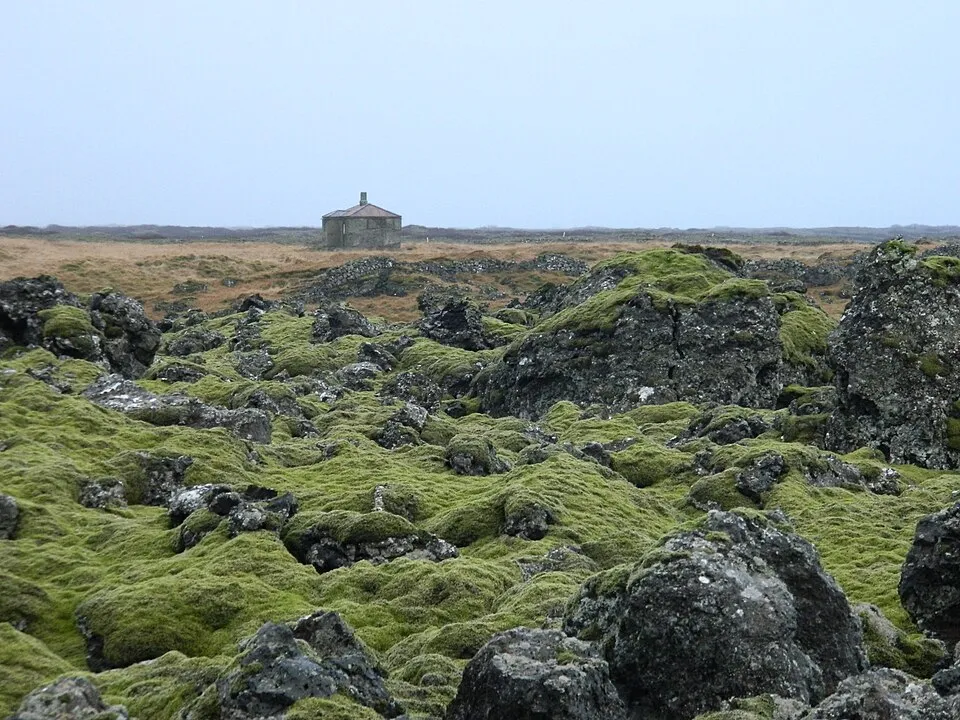
A hot pot the size of a bathtub hidden in the lava fields near Eldborg crater — room for two, maybe three friendly people. It has already closed once after being loved too hard, reopened on the landowner's goodwill, and its status keeps shifting — we could not confirm it was open at this review, so ask locally before driving out. No facilities, leave absolutely no trace.
Everything below is genuinely great — and genuinely far. The honest time-math sits on each group, so you can decide with your eyes open instead of cramming.
FLY REYKJAVÍK–AKUREYRI (45 MIN) · 2–3 DAYS
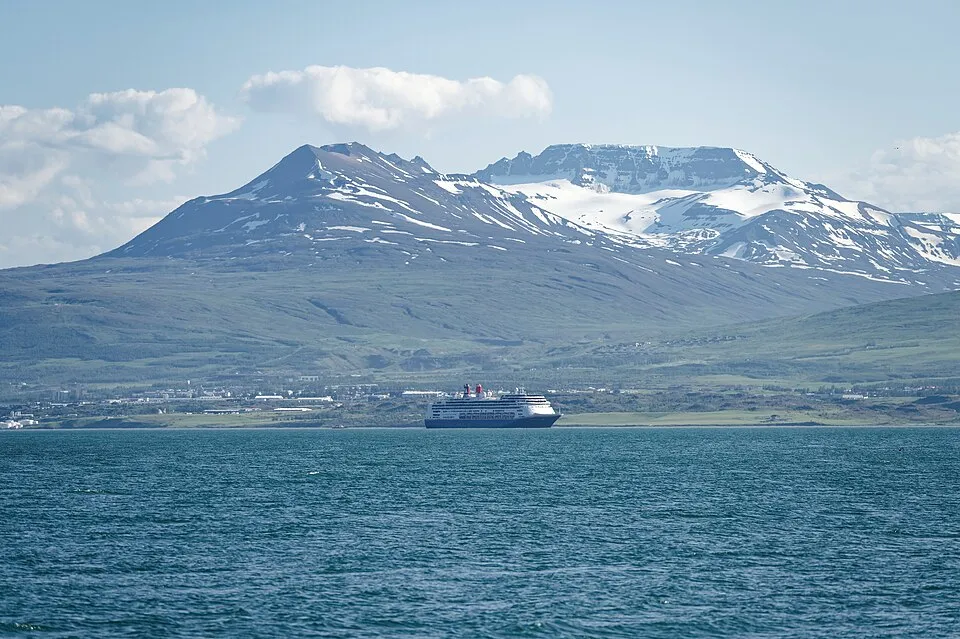
The capital of the north — fly in, rent a car, and the whole northern coast opens up from a proper town with real restaurants.
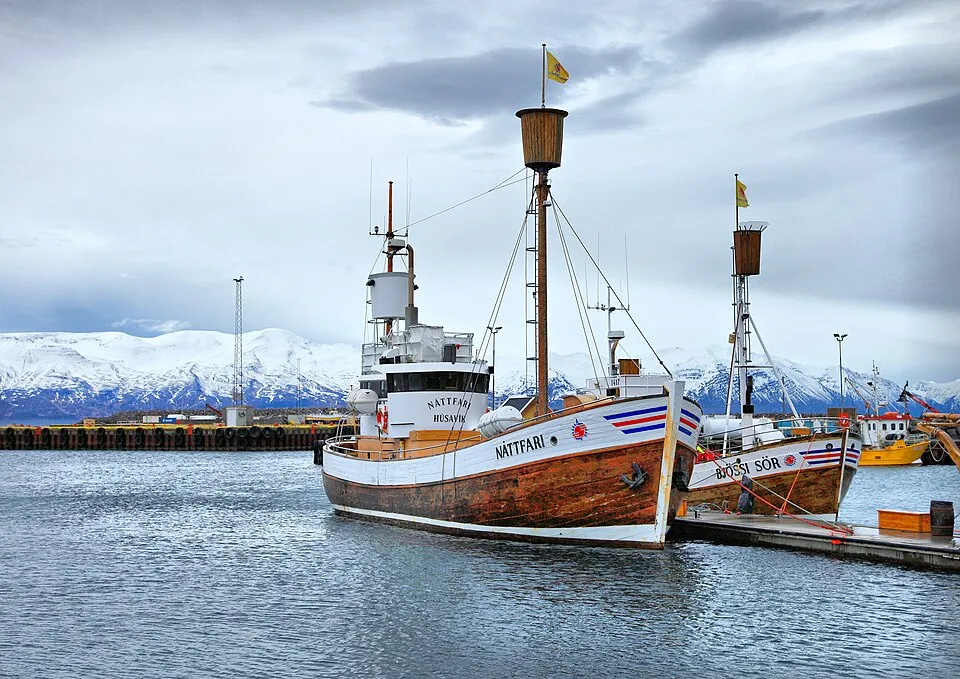
The whale-watching harbor that delivers: humpbacks most sailings in summer, blue whales if the season is kind.
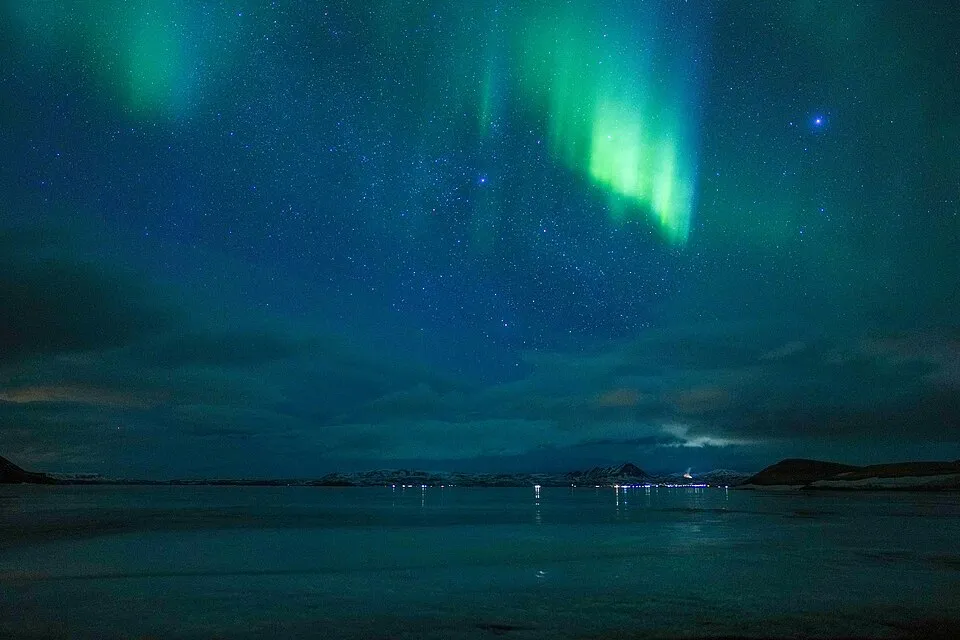
A geothermal lake district of pseudocraters, boiling mud, and the north’s answer to the Blue Lagoon — with a fraction of the queue.
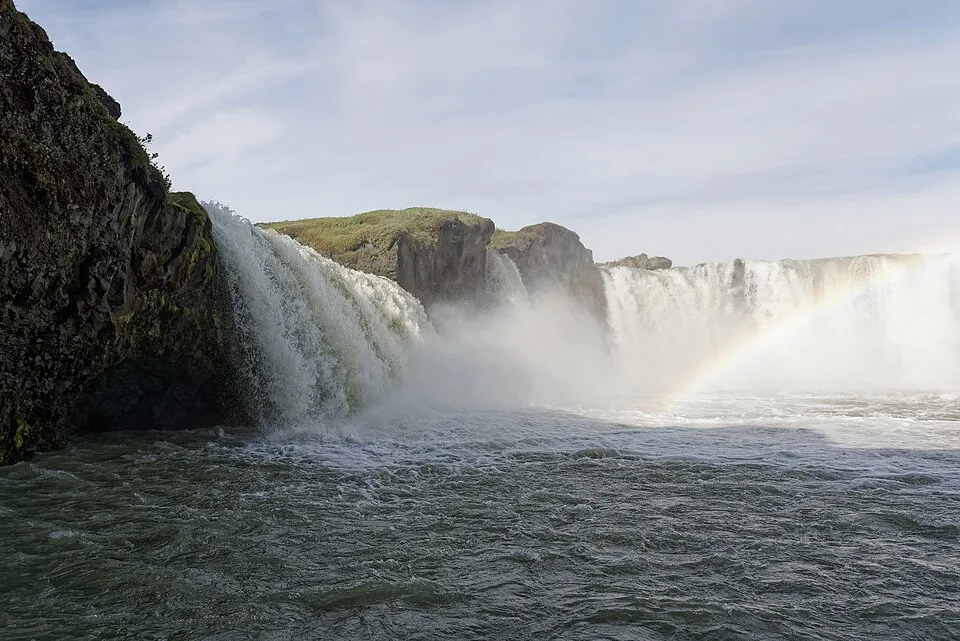
The waterfall of the gods, a perfect horseshoe right off the Ring Road between Akureyri and Mývatn.
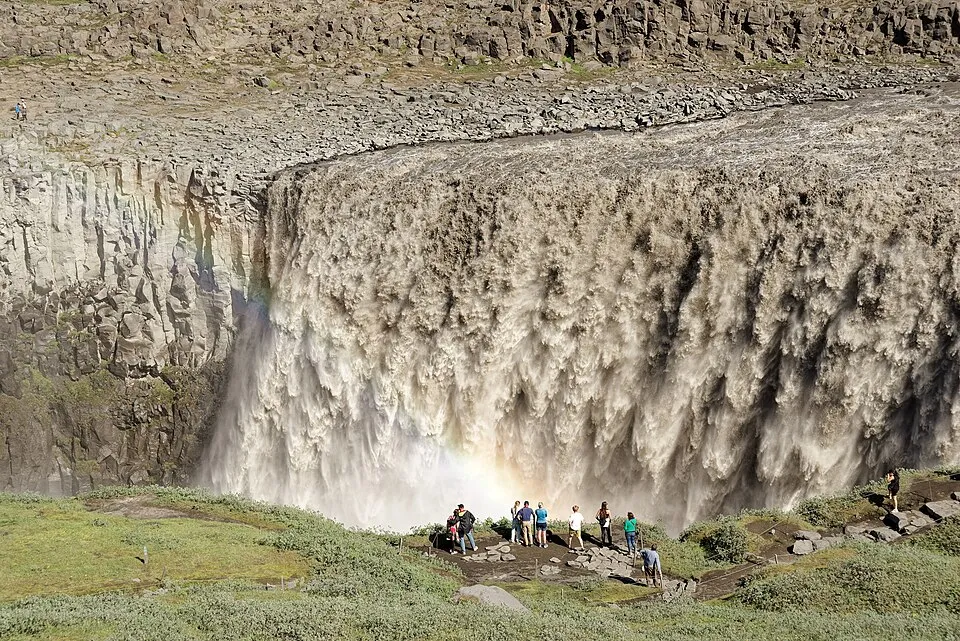
Europe’s heavyweight waterfall — you feel this one in the ground before you see it.
GRAVEL ROADS · SUMMER IS BEST · 3+ DAYS
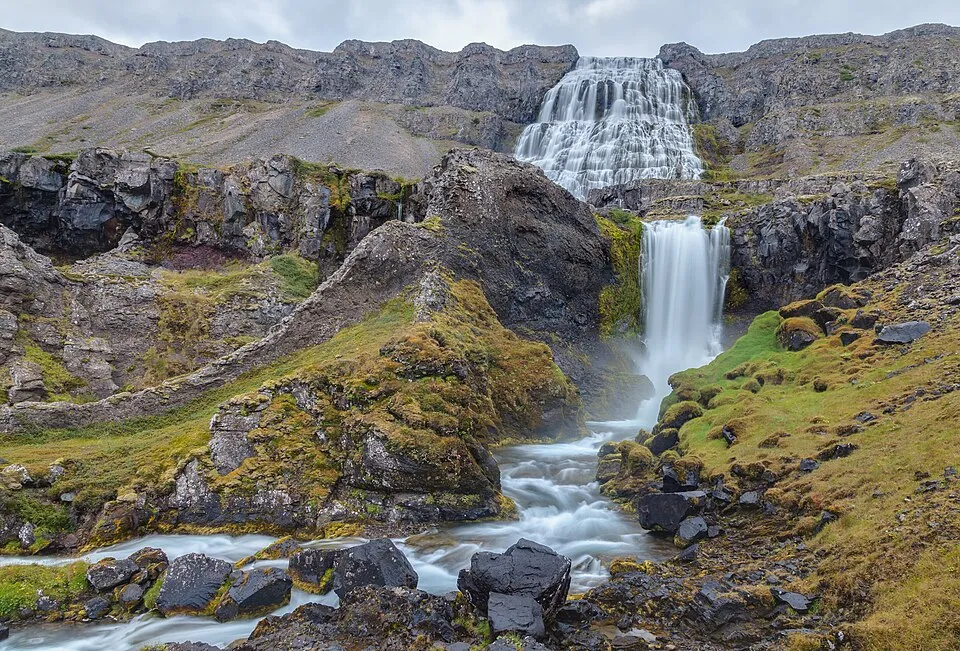
A hundred-metre bridal-veil cascade that widens as it falls — the Westfjords’ one unmissable stop.
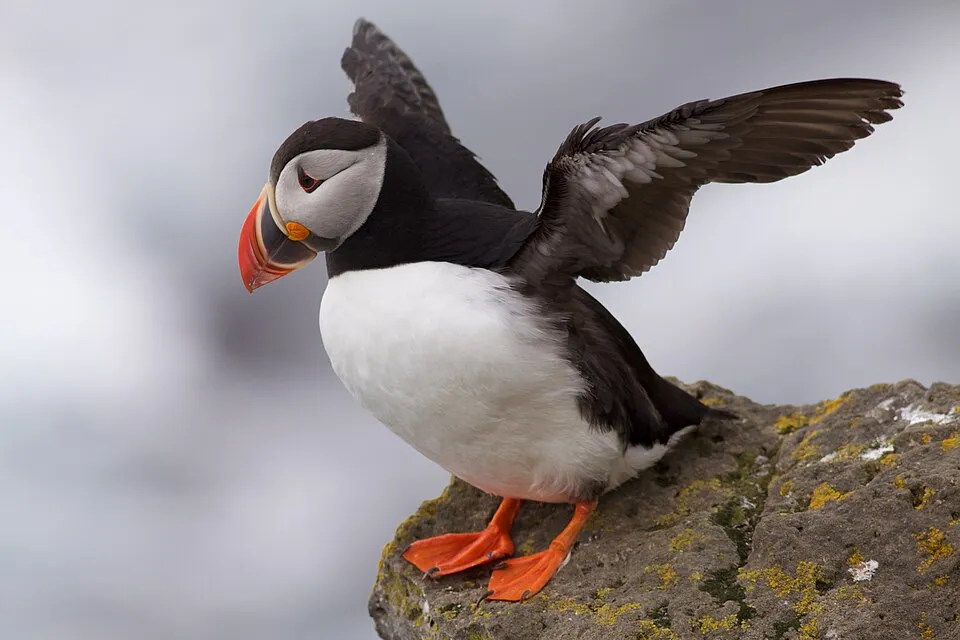
Fourteen kilometres of bird cliffs where puffins sit an arm’s length from the path — Europe’s westernmost point.
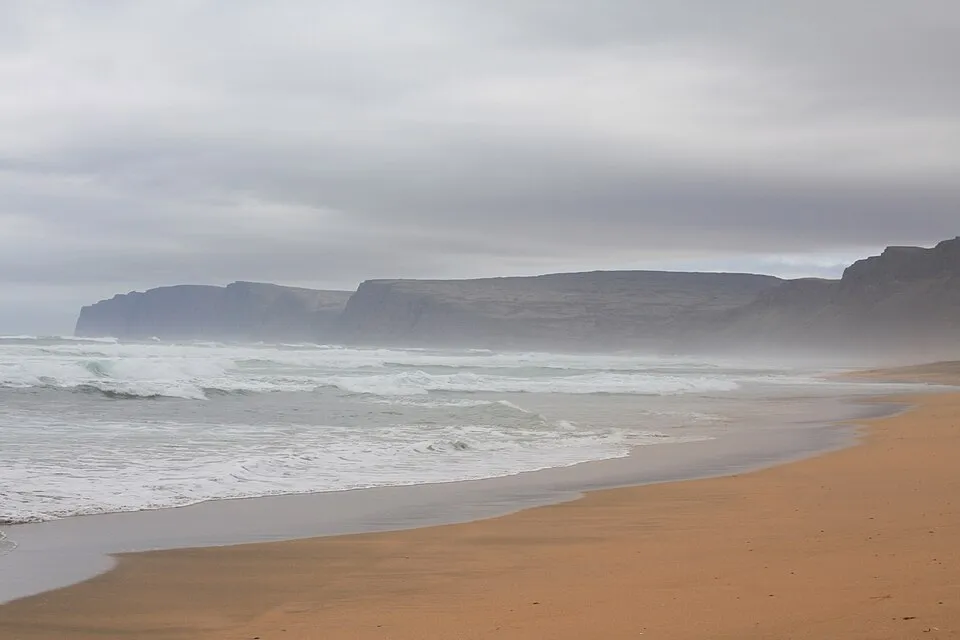
A ten-kilometre beach of improbable red-gold sand that shifts color with the light and tide.
SUMMER ONLY · HIGHLAND BUS OR PROPER 4X4 — NOT YOUR RENTAL SEDAN
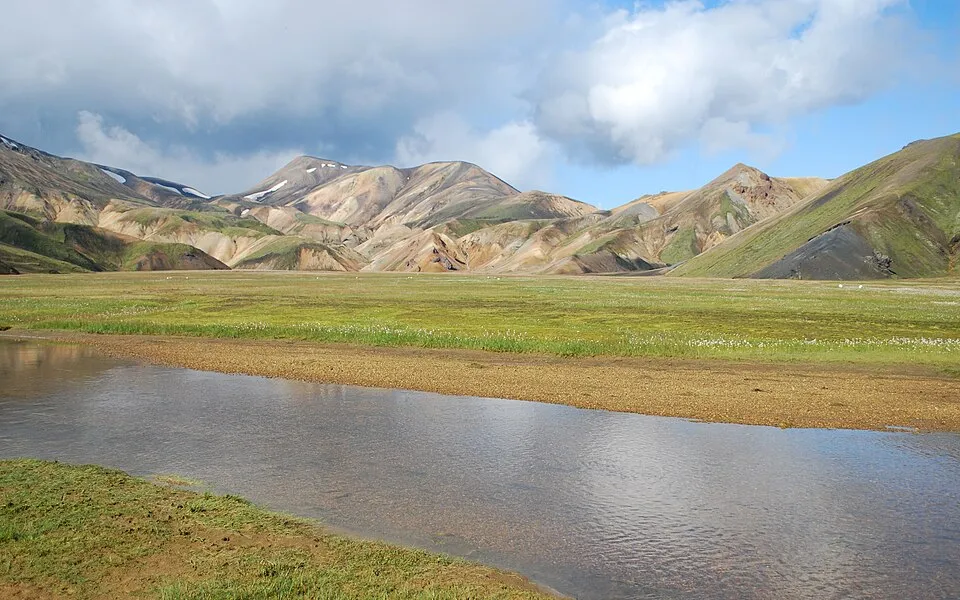
Rainbow rhyolite mountains with a natural hot stream at the campsite — the trailhead of the famous Laugavegur trek.
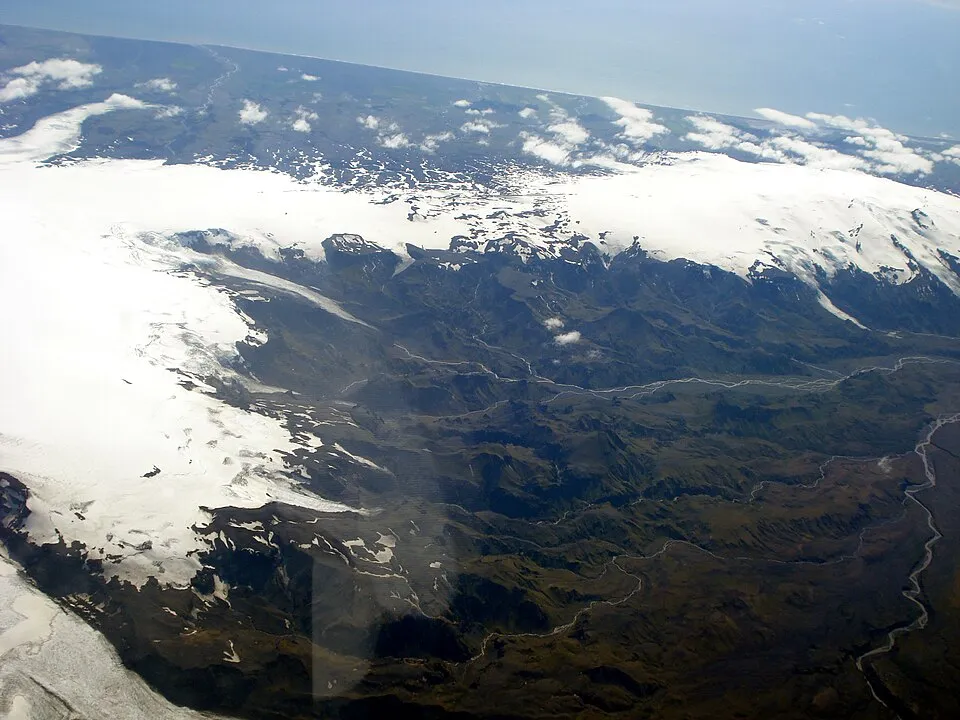
A green valley ringed by three glaciers, reached by fording rivers — go by highland bus or super-jeep, never by improvisation.
THE FULL RING ROAD CASE · 7+ DAYS MINIMUM
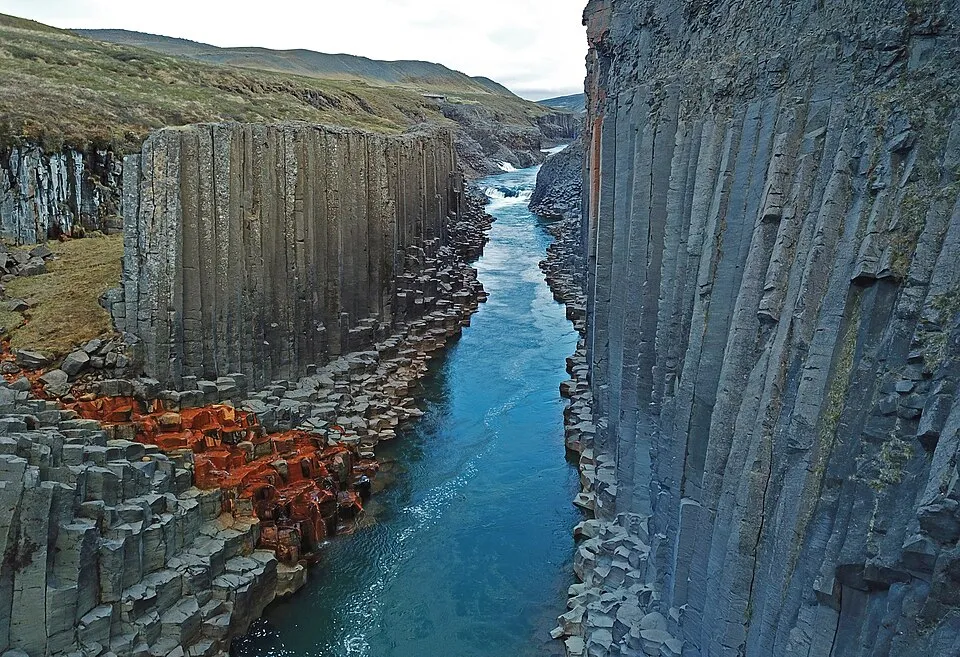
A canyon of hexagonal basalt columns over a jade-green river, unknown to guidebooks until a dam lowered the water.
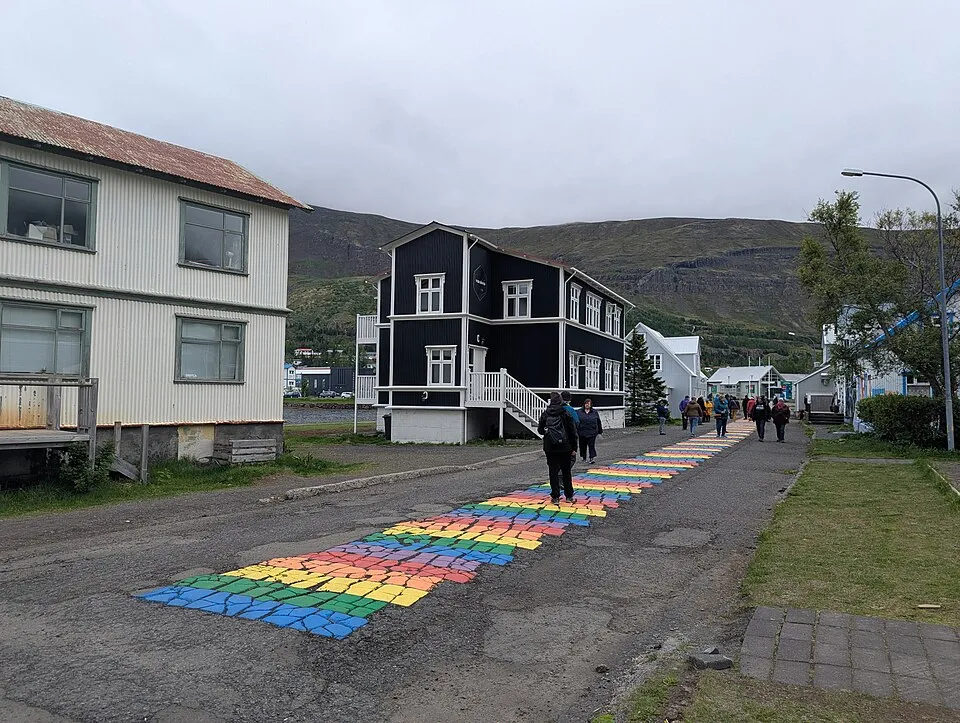
The rainbow street leading to the blue church, in a fjord town of artists at the end of a mountain pass.
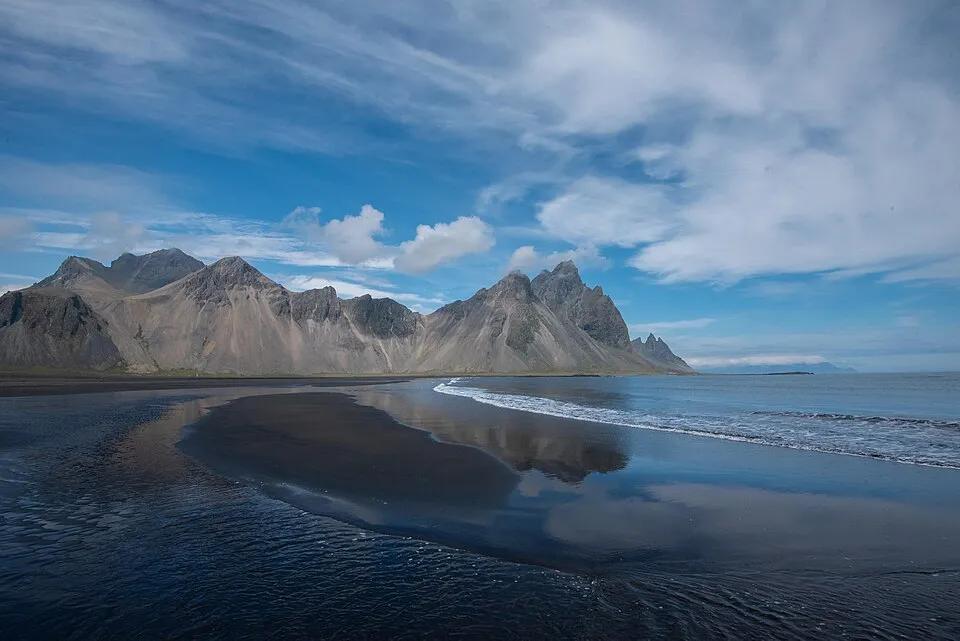
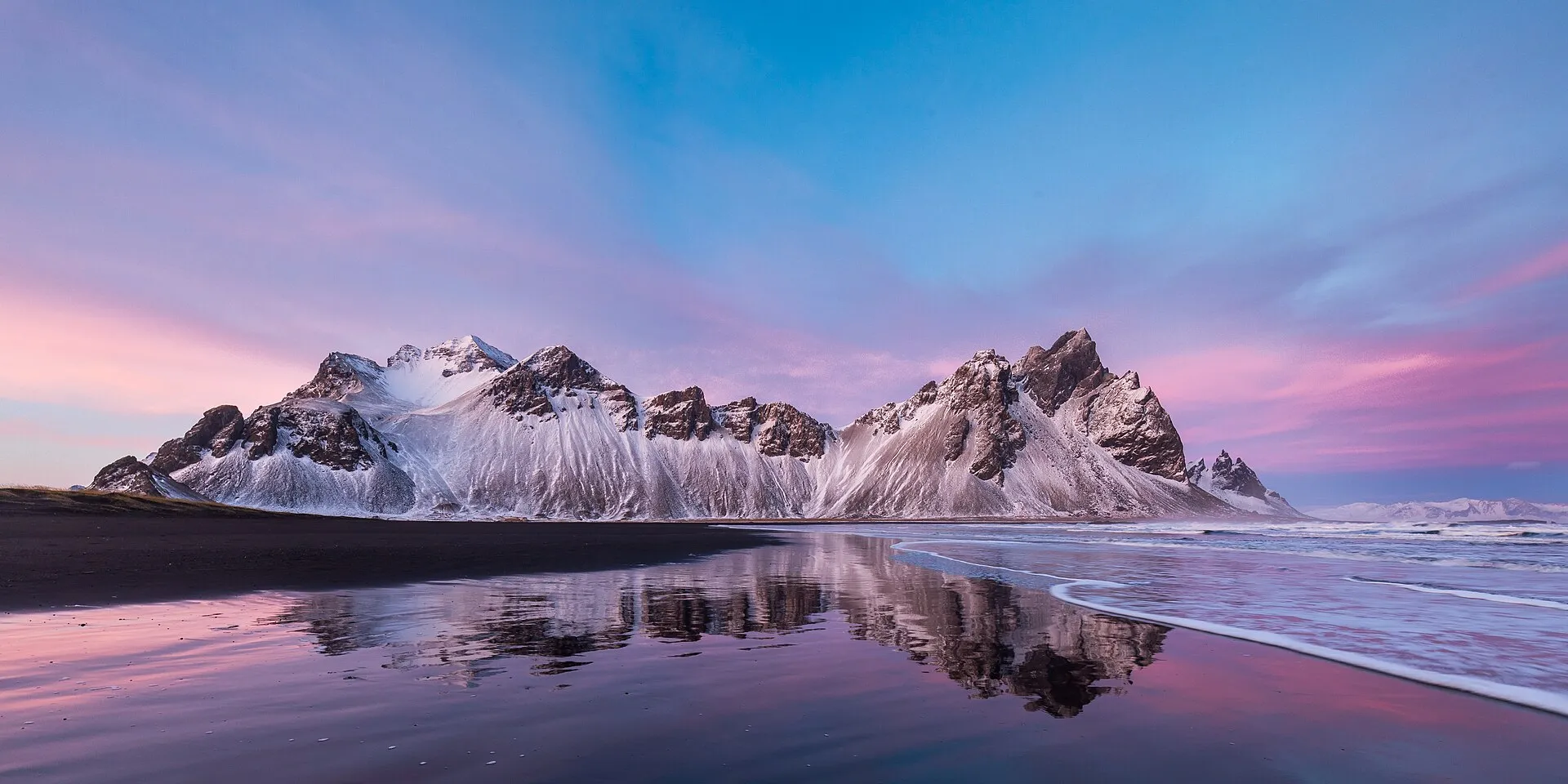
The horned mountain rising off the black sands of Stokksnes — the drama shot of the southeast.
Four to six covers the best of the southwest: Reykjavík, the Golden Circle, the South Coast as far as the glacier lagoon, and optionally Snæfellsnes. The full Ring Road needs seven-plus days and a tolerance for long driving days.
Reykjavík is fully walkable, but a car is the best way to do the Golden Circle and South Coast at your own pace. If you'd rather not drive, day tours from the city cover every major stop in this guide.
Blue Lagoon is the icon but sits in the active volcanic zone and closes at short notice during eruptions — book flexible and check its status page day-of. Sky Lagoon is 15 minutes from downtown, has the cliff-edge infinity view, and carries zero closure drama.
The recent eruptions are small fissure events confined to one corner of the Reykjanes Peninsula, and the last one ended in August 2025 — though the Met Office doesn't consider the series over. Flights, Reykjavík, the Golden Circle, and the South Coast have carried on unaffected throughout. Check safetravel.is for conditions, and never approach an eruption site outside official guidance.
Roughly September through March, on dark, clear nights away from city light. Nothing is guaranteed — a night or two outside Reykjavík meaningfully improves your odds, which is half the case for Hótel Rangá or ION above.
Roughly May through August on the nesting cliffs. Dyrhólaey is the easiest sighting on a standard itinerary — during May–June nesting it closes overnight, days stay open. The schedule is the birds' call, not ours.